
BREAKING NEWS
Iran and US Hit Tankers in Biggest Wave of Shipping Attacks Since War Began

The war between Iran and the United States has entered a dangerous new phase after both sides launched a major wave of attacks involving oil tankers and military targets around the strategically vital Strait of Hormuz.
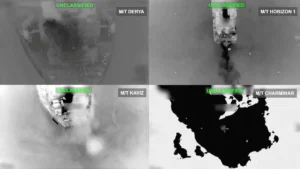
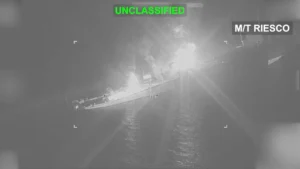
The latest escalation came after the United States said its forces destroyed five Iranian crude-oil tankers following repeated Iranian ballistic-missile attacks on a U.S. Navy warship.
Iran subsequently said it had attacked oil tankers and U.S. vessels in retaliation, marking one of the most serious disruptions to commercial shipping since the conflict began.
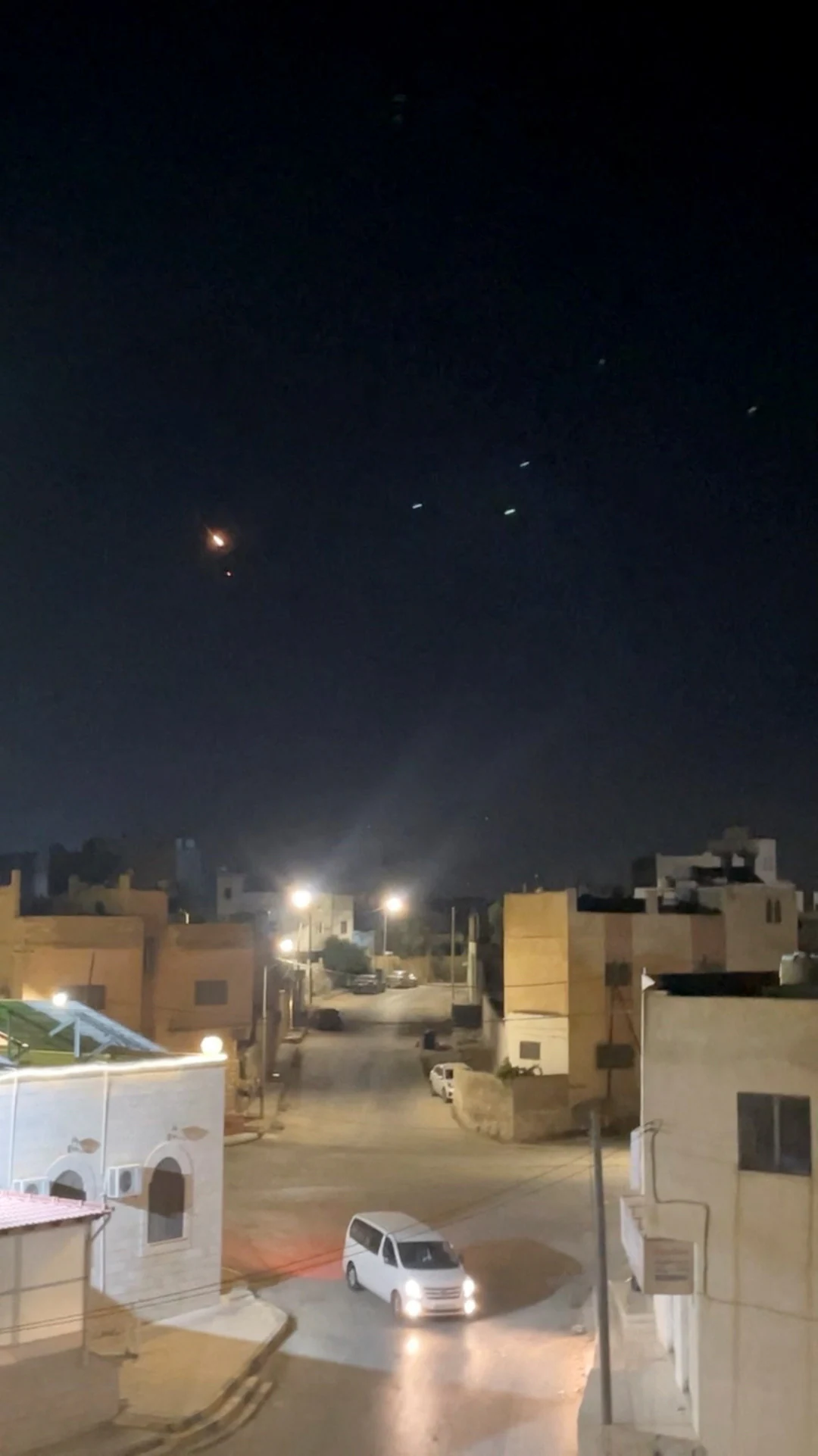
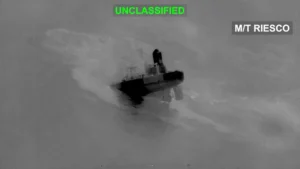
Reuters reported that Iran struck or targeted 10 ships, while Iranian authorities also launched ballistic missiles toward a U.S. military base in Jordan. At least one sailor was reported dead and another missing following the maritime attacks.
The latest U.S. strikes followed attacks that Washington said were carried out by Iran’s Islamic Revolutionary Guard Corps against American naval vessels.
U.S. Central Command said five Iranian crude carriers were destroyed on Tuesday after an American warship successfully evaded two attempted ballistic-missile attacks.
The five vessels were reportedly targeted in waters around the Gulf of Oman and near Iran’s Kharg Island, a major hub for the country’s oil exports. The U.S. military said crews were warned to abandon the vessels before the strikes.
The strikes followed an earlier U.S. attack on three Iranian oil tankers after Iranian missiles were launched toward American warships.
Washington has defended the attacks as necessary to prevent Iran from using its oil fleet to finance military activities and regional operations.
Iran has responded with its own attacks, dramatically increasing the danger for commercial vessels operating around the Gulf.
According to Reuters, Iranian forces attacked or targeted 10 ships in the latest wave of maritime incidents, while Iranian officials also announced plans to expand restricted maritime zones.
Iranian state media claimed that the country had attacked oil tankers and U.S. vessels in response to the American strikes. U.S. Central Command, however, disputed claims that American warships had been successfully hit.
The conflicting claims have made it difficult to establish the full extent of damage from some of the incidents.
The latest attacks have placed the Strait of Hormuz at the centre of the escalating conflict.
The narrow waterway is one of the world’s most important energy corridors, carrying a substantial share of global oil supplies. Any prolonged disruption threatens to affect fuel prices, shipping costs and economies far beyond the Middle East.
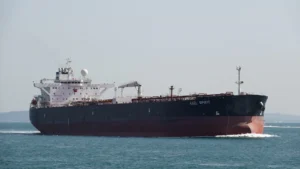
Shipping companies have increasingly faced difficult decisions over whether to send vessels through the area as attacks and warnings multiply.
The escalation has already affected oil markets, with Brent crude rising above $100 a barrel amid fears that the conflict could significantly restrict global supplies. U.S. crude also climbed sharply.
The tanker attacks are taking place alongside a broader escalation across the region.
Iran launched missiles toward a U.S.-linked military facility in Jordan, while Iran-backed Houthi forces in Yemen have continued attacks against Saudi targets.
The developments have raised fears that the conflict could expand beyond direct U.S.-Iran confrontation and draw more countries into the fighting.
Energy analysts are increasingly focused on the possibility of a prolonged disruption around the Strait of Hormuz.
Even before the latest attacks, commercial shipping through the region had been affected by the wider conflict. The latest wave of strikes has increased insurance risks and raised concerns over the ability of tankers to move safely through the waterway.
For consumers around the world, a sustained disruption could mean higher petrol, diesel and transportation costs.
For governments, the crisis presents a difficult balancing act between protecting shipping routes, preventing further military escalation and keeping global energy supplies moving.
With both Washington and Tehran showing little sign of backing down, the latest attacks have transformed tanker traffic into one of the most dangerous fronts of the war.