
General News
Nigeria Seeks End To Visa Hurdles, Stronger Trade Ties With Southern Africa

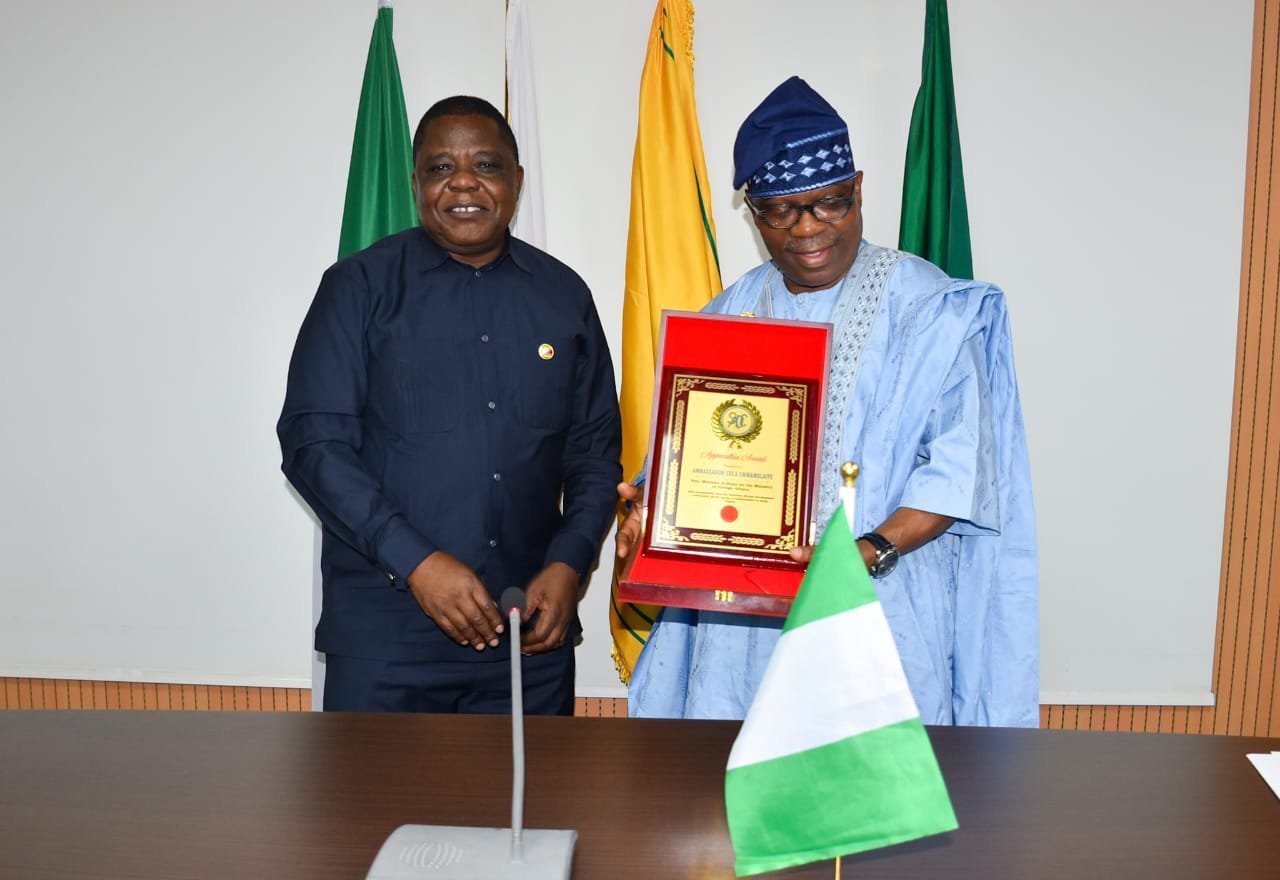
Nigeria is seeking to ease visa restrictions between it and countries in Southern Africa as part of efforts to boost trade, investment, tourism and people-to-people exchanges across the continent.
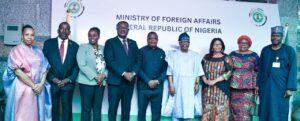
The Minister of State for Foreign Affairs, Ambassador Sola Enikanolaiye, made the call on Wednesday in Abuja when he received a delegation of Ambassadors and High Commissioners from the Southern African Development Community (SADC).
The delegation was led by Zimbabwe’s Ambassador to Nigeria and Dean of SADC Ambassadors, Ambassador Maxwell Ranga, who congratulated Enikanolaiye on his appointment and pledged the diplomatic community’s support for efforts to deepen relations between Nigeria and Southern Africa.
Enikanolaiye said visa arrangements should facilitate, rather than frustrate, movement between African countries, particularly for citizens, businesses and institutions seeking to establish stronger connections.
He argued that easier movement was essential to unlocking the continent’s economic potential and strengthening relationships beyond government-to-government engagements.
The minister said Nigeria was particularly interested in learning from SADC countries in areas where they have developed comparative advantages, including mineral beneficiation, industrial value addition, tourism and agriculture.
He said cooperation in these sectors could create new economic opportunities, promote investment and establish institutional partnerships capable of converting existing potential into measurable development.
Earlier, Ranga highlighted Nigeria’s historic contribution to the liberation struggles in Southern Africa, noting that Abuja’s solidarity with the Frontline States helped support the independence of countries that were subjected to colonialism and apartheid.
He said the historical ties between Nigeria and Southern Africa should now be translated into stronger economic cooperation, identifying trade, investment, infrastructure, energy, agriculture and industrial development as areas with significant potential.
Ranga also stressed the importance of increasing people-to-people exchanges between Nigeria and SADC countries, saying stronger interaction could deliver mutual benefits.
Enikanolaiye further advocated regular consultations among African countries, especially ahead of major international and multilateral meetings.

According to him, more frequent ministerial and official consultations would enable African countries to develop common positions and present a stronger, more coordinated voice at international fora.
He disclosed that the Ministry of Foreign Affairs was reviewing existing Joint Commission mechanisms to revive dormant agreements and establish a framework for more regular bilateral consultations.
The minister said the mechanisms would help Nigeria and SADC countries review cooperation across political, economic and social sectors while identifying new areas of partnership.
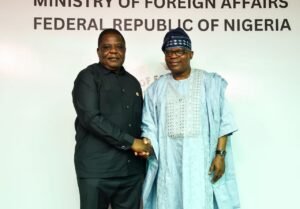
Enikanolaiye described the engagement with SADC envoys as an opportunity to “reignite” relations between Nigeria and Southern Africa, reaffirming Nigeria’s commitment to closer cooperation in pursuit of African unity, integration and shared prosperity.