
Opinion
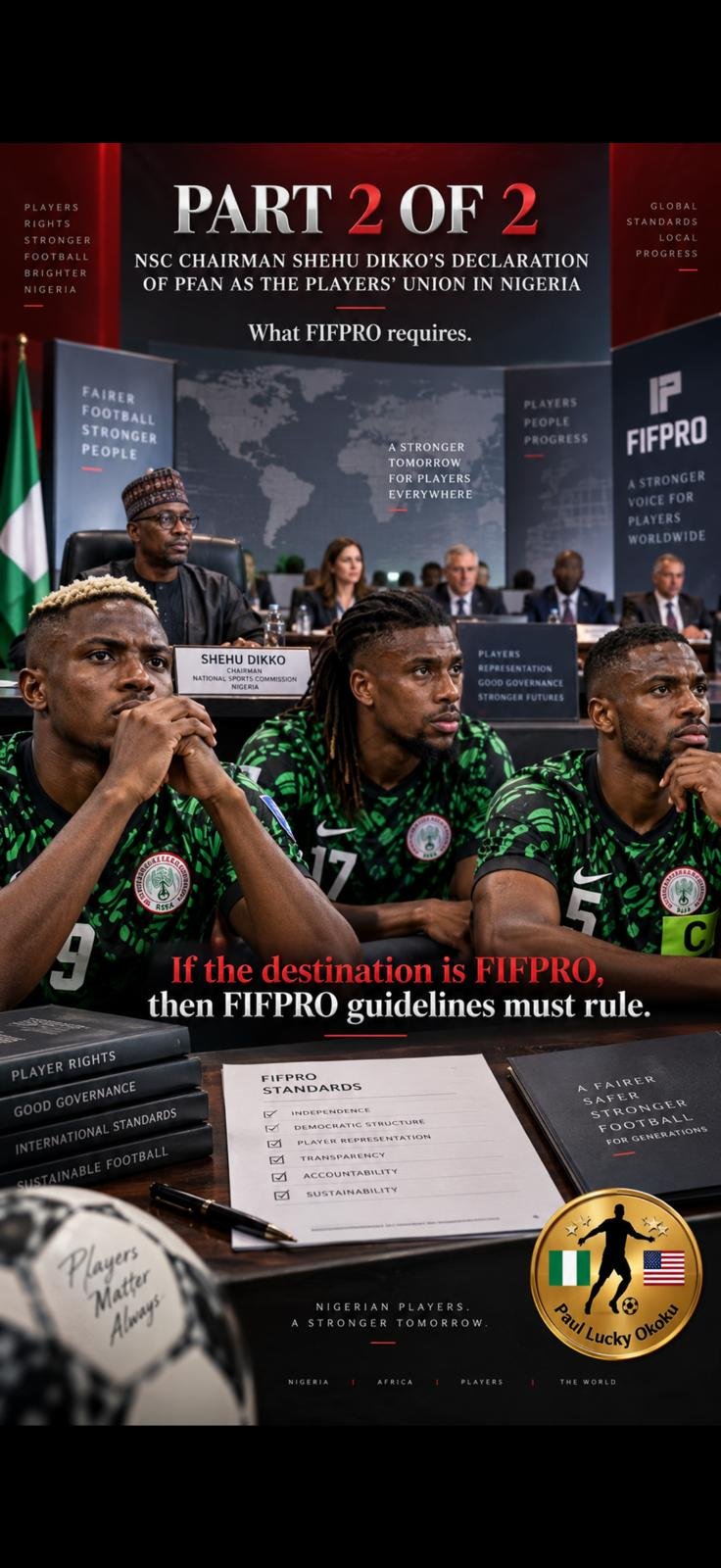
NSC Chairman Shehu Dikko’s Declaration Of PFAN As The Players’ Union in Nigeria: What The Law Says, What FIFPRO Requires — And Where Does It Leave The Player?

By Paul Lucky Okoku
𝐏𝐀𝐑𝐓 𝟐 𝐎𝐅 𝟐
𝐈𝐅 𝐓𝐇𝐄 𝐃𝐄𝐒𝐓𝐈𝐍𝐀𝐓𝐈𝐎𝐍 𝐈𝐒 𝐅𝐈𝐅𝐏𝐑𝐎: 𝐖𝐇𝐎 𝐂𝐀𝐑𝐑𝐈𝐄𝐒 𝐓𝐇𝐄 𝐏𝐋𝐀𝐘𝐄𝐑𝐒’ 𝐌𝐀𝐍𝐃𝐀𝐓𝐄?
Nigeria’s domestic players’ union history contains several distinct legal and institutional strands.
But international representation introduces another standard.
On 𝐉𝐮𝐧𝐞 𝟏𝟎, 𝟐𝟎𝟐𝟔, 𝐅𝐈𝐅𝐀 formally recognised 𝐅𝐈𝐅𝐏𝐑𝐎 as the 𝐠𝐥𝐨𝐛𝐚𝐥 𝐫𝐞𝐩𝐫𝐞𝐬𝐞𝐧𝐭𝐚𝐭𝐢𝐯𝐞 𝐛𝐨𝐝𝐲 𝐟𝐨𝐫 𝐩𝐫𝐨𝐟𝐞𝐬𝐬𝐢𝐨𝐧𝐚𝐥 𝐟𝐨𝐨𝐭𝐛𝐚𝐥𝐥 𝐩𝐥𝐚𝐲𝐞𝐫𝐬 and as the social partner representing players as employees.
That agreement strengthened FIFPRO’s role inside international football governance and gave organised professional players an established route into the institutions where decisions affecting their employment are made.

For Nigeria, that changes the context considerably.
If the objective is simply representation within the 𝐍𝐚𝐭𝐢𝐨𝐧𝐚𝐥 𝐒𝐩𝐨𝐫𝐭𝐬 𝐂𝐨𝐦𝐦𝐢𝐬𝐬𝐢𝐨𝐧, Nigerian law provides the applicable framework.
If the issue is trade-union registration, Nigerian labour law applies.
But if the destination is 𝐅𝐈𝐅𝐏𝐑𝐎 𝐦𝐞𝐦𝐛𝐞𝐫𝐬𝐡𝐢𝐩, FIFPRO’s rules necessarily become part of the test.
“𝐁𝐔𝐈𝐋𝐓 𝐅𝐑𝐎𝐌 𝐓𝐇𝐄 𝐏𝐋𝐀𝐘𝐄𝐑𝐒 𝐔𝐏”
FIFPRO addressed the principle directly on 𝐀𝐩𝐫𝐢𝐥 𝟐𝟑, 𝟐𝟎𝟐𝟔, stating that player representation should be:
“𝐛𝐮𝐢𝐥𝐭 𝐟𝐫𝐨𝐦 𝐭𝐡𝐞 𝐩𝐥𝐚𝐲𝐞𝐫𝐬 𝐮𝐩.”
It also said member unions must be 𝐢𝐧𝐝𝐞𝐩𝐞𝐧𝐝𝐞𝐧𝐭, satisfy 𝐠𝐨𝐯𝐞𝐫𝐧𝐚𝐧𝐜𝐞 𝐬𝐭𝐚𝐧𝐝𝐚𝐫𝐝𝐬 and carry a 𝐦𝐚𝐧𝐝𝐚𝐭𝐞 𝐟𝐫𝐨𝐦 𝐦𝐨𝐬𝐭 𝐩𝐥𝐚𝐲𝐞𝐫𝐬 𝐝𝐨𝐦𝐞𝐬𝐭𝐢𝐜𝐚𝐥𝐥𝐲.
Its statutes require representative and democratically organised players’ associations and provide that only 𝐨𝐧𝐞 𝐚𝐬𝐬𝐨𝐜𝐢𝐚𝐭𝐢𝐨𝐧 𝐟𝐫𝐨𝐦 𝐞𝐚𝐜𝐡 𝐜𝐨𝐮𝐧𝐭𝐫𝐲 may ultimately hold FIFPRO membership.

That creates an important distinction in the Nigerian discussion.
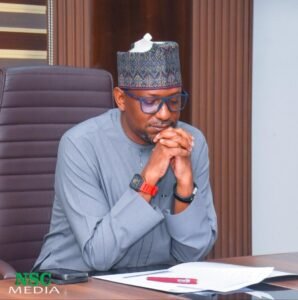
If Mallam 𝐒𝐡𝐞𝐡𝐮 𝐃𝐢𝐤𝐤𝐨’s reported declaration is confined to saying that PFAN is the body expressly named for representation within the National Sports Commission, the NSC Act provides the basis for that position.
If the declaration is understood more broadly to determine which organisation should carry the mandate of Nigerian professional footballers within FIFPRO, then domestic institutional recognition alone would not complete that process.
FIFPRO would still apply its own requirements concerning 𝐢𝐧𝐝𝐞𝐩𝐞𝐧𝐝𝐞𝐧𝐜𝐞, 𝐠𝐨𝐯𝐞𝐫𝐧𝐚𝐧𝐜𝐞, 𝐝𝐞𝐦𝐨𝐜𝐫𝐚𝐭𝐢𝐜 𝐥𝐞𝐠𝐢𝐭𝐢𝐦𝐚𝐜𝐲 and 𝐩𝐥𝐚𝐲𝐞𝐫 𝐦𝐚𝐧𝐝𝐚𝐭𝐞.
The different institutions perform different functions.
𝐍𝐢𝐠𝐞𝐫𝐢𝐚 determines its domestic legal arrangements.
𝐅𝐈𝐅𝐏𝐑𝐎 determines membership within FIFPRO.
𝐖𝐇𝐀𝐓 𝐎𝐓𝐇𝐄𝐑 𝐂𝐎𝐔𝐍𝐓𝐑𝐈𝐄𝐒 𝐒𝐇𝐎𝐖
This writer has spent considerable time examining player representation in other jurisdictions, including 𝐆𝐡𝐚𝐧𝐚 and 𝐀𝐧𝐠𝐨𝐥𝐚 in Africa, 𝐁𝐨𝐥𝐢𝐯𝐢𝐚 in South America, and 𝐅𝐫𝐚𝐧𝐜𝐞, 𝐄𝐧𝐠𝐥𝐚𝐧𝐝 and 𝐏𝐨𝐫𝐭𝐮𝐠𝐚𝐥 in Europe, among others.
Their systems differ, but each offers a useful lesson.
In 𝐆𝐡𝐚𝐧𝐚, 𝐏𝐅𝐀𝐆 has helped strengthen contractual protections through the introduction of a standard player contract across major domestic competitions.
In 𝐀𝐧𝐠𝐨𝐥𝐚, 𝐀𝐍𝐅𝐀’s progression to FIFPRO candidate-member status illustrates the formal pathway through which a national players’ association can move toward fuller international recognition.
In 𝐁𝐨𝐥𝐢𝐯𝐢𝐚, the players’ union experience has highlighted the practical value of organised representation in pursuing contractual and financial claims on behalf of professional footballers.
Across Europe, established organisations such as 𝐅𝐫𝐚𝐧𝐜𝐞’𝐬 𝐔𝐍𝐅𝐏, 𝐄𝐧𝐠𝐥𝐚𝐧𝐝’𝐬 𝐏𝐅𝐀 and 𝐏𝐨𝐫𝐭𝐮𝐠𝐚𝐥’𝐬 𝐒𝐉𝐏𝐅 show how national unions can operate within the wider FIFPRO structure while remaining focused on the employment and welfare interests of players.
Different countries. Different legal systems. Different stages of development.
But the thread connecting them is clear: 𝐚 𝐩𝐥𝐚𝐲𝐞𝐫𝐬’ 𝐚𝐬𝐬𝐨𝐜𝐢𝐚𝐭𝐢𝐨𝐧 𝐦𝐮𝐬𝐭 𝐛𝐞 𝐚𝐛𝐥𝐞 𝐭𝐨 𝐝𝐞𝐦𝐨𝐧𝐬𝐭𝐫𝐚𝐭𝐞 𝐭𝐡𝐚𝐭 𝐢𝐭 𝐬𝐞𝐫𝐯𝐞𝐬, 𝐫𝐞𝐩𝐫𝐞𝐬𝐞𝐧𝐭𝐬 𝐚𝐧𝐝 𝐫𝐞𝐦𝐚𝐢𝐧𝐬 𝐚𝐜𝐜𝐨𝐮𝐧𝐭𝐚𝐛𝐥𝐞 𝐭𝐨 𝐭𝐡𝐞 𝐩𝐫𝐨𝐟𝐞𝐬𝐬𝐢𝐨𝐧𝐚𝐥 𝐟𝐨𝐨𝐭𝐛𝐚𝐥𝐥𝐞𝐫𝐬 𝐢𝐧 𝐰𝐡𝐨𝐬𝐞 𝐧𝐚𝐦𝐞 𝐢𝐭 𝐬𝐩𝐞𝐚𝐤𝐬.
𝐔𝐍𝐈𝐓𝐘 𝐌𝐔𝐒𝐓 𝐇𝐀𝐕𝐄 𝐒𝐔𝐁𝐒𝐓𝐀𝐍𝐂𝐄
Efforts to bring Nigeria’s players’ representation under a clearer and more unified structure have appeared repeatedly in the public record.
A more coherent structure could give professional footballers a stronger voice, but the substance beneath that structure will ultimately determine its value to the players.

Are 𝐚𝐜𝐭𝐢𝐯𝐞 𝐩𝐫𝐨𝐟𝐞𝐬𝐬𝐢𝐨𝐧𝐚𝐥 𝐟𝐨𝐨𝐭𝐛𝐚𝐥𝐥𝐞𝐫𝐬 members?
Do they participate meaningfully in choosing their representatives?
Can membership be independently verified?
Do players know which organisation represents them and how to access its services?
Does that organisation provide contractual assistance, legal support and welfare protection?
Can it represent player interests independently when difficult issues arise with clubs, leagues, football authorities or other institutions?
And where 𝐅𝐈𝐅𝐏𝐑𝐎 𝐦𝐞𝐦𝐛𝐞𝐫𝐬𝐡𝐢𝐩 is the objective, does the structure satisfy FIFPRO’s requirements for representation, governance, independence and player mandate?
These are practical measures of effective representation.
𝐔𝐧𝐢𝐭𝐲 𝐠𝐚𝐢𝐧𝐬 𝐢𝐭𝐬 𝐦𝐞𝐚𝐧𝐢𝐧𝐠 𝐟𝐫𝐨𝐦 𝐰𝐡𝐚𝐭 𝐢𝐭 𝐝𝐞𝐥𝐢𝐯𝐞𝐫𝐬 𝐭𝐨 𝐭𝐡𝐞 𝐩𝐥𝐚𝐲𝐞𝐫𝐬.
𝐓𝐇𝐄 𝐏𝐋𝐀𝐘𝐄𝐑 𝐂𝐀𝐍𝐍𝐎𝐓 𝐁𝐄𝐂𝐎𝐌𝐄 𝐓𝐇𝐄 𝐂𝐀𝐒𝐔𝐀𝐋𝐓𝐘
UUltimately the significance of this discussion rests with the 𝐚𝐜𝐭𝐢𝐯𝐞 𝐩𝐫𝐨𝐟𝐞𝐬𝐬𝐢𝐨𝐧𝐚𝐥 𝐟𝐨𝐨𝐭𝐛𝐚𝐥𝐥𝐞𝐫.
Questions of statutory recognition, trade-union history, organisational structure and international affiliation have institutional importance. For active players, however, representation also has immediate consequences.
Their careers are happening now.
Salaries become due. Contracts are signed. Injuries occur. Employment disputes arise. Families depend on football income, while the playing career itself can be unexpectedly short.
That is why effective representation matters.
Who assists a player when salaries remain unpaid?
Who provides support when contractual obligations are disputed?
Who helps an injured footballer understand and protect his or her rights?
Who provides legal and contractual guidance to young professionals?
Who represents women footballers when workplace concerns arise?
Who speaks collectively when an issue affects an entire group of professional players?
These questions go to the purpose of player representation itself.
A functioning players’ association should therefore be measured not only by its legal or institutional status, but also by 𝐢𝐭𝐬 𝐚𝐛𝐢𝐥𝐢𝐭𝐲 𝐭𝐨 𝐬𝐞𝐫𝐯𝐞 𝐩𝐫𝐨𝐟𝐞𝐬𝐬𝐢𝐨𝐧𝐚𝐥 𝐟𝐨𝐨𝐭𝐛𝐚𝐥𝐥𝐞𝐫𝐬 𝐰𝐡𝐞𝐧 𝐫𝐞𝐩𝐫𝐞𝐬𝐞𝐧𝐭𝐚𝐭𝐢𝐨𝐧 𝐢𝐬 𝐚𝐜𝐭𝐮𝐚𝐥𝐥𝐲 𝐧𝐞𝐞𝐝𝐞𝐝.

Whatever structure ultimately carries that responsibility, the objective should remain clear:
𝐭𝐡𝐞 𝐚𝐜𝐭𝐢𝐯𝐞 𝐩𝐥𝐚𝐲𝐞𝐫 𝐦𝐮𝐬𝐭 𝐡𝐚𝐯𝐞 𝐚𝐧 𝐚𝐜𝐜𝐞𝐬𝐬𝐢𝐛𝐥𝐞, 𝐜𝐫𝐞𝐝𝐢𝐛𝐥𝐞 𝐚𝐧𝐝 𝐞𝐟𝐟𝐞𝐜𝐭𝐢𝐯𝐞 𝐯𝐨𝐢𝐜𝐞.
𝐀𝐔𝐓𝐇𝐎𝐑’𝐒 𝐍𝐎𝐓𝐄
This writer continues to look at Nigeria’s players’ union question from one central position:
𝐭𝐡𝐞 𝐚𝐜𝐭𝐢𝐯𝐞 𝐩𝐫𝐨𝐟𝐞𝐬𝐬𝐢𝐨𝐧𝐚𝐥 𝐟𝐨𝐨𝐭𝐛𝐚𝐥𝐥𝐞𝐫 𝐦𝐮𝐬𝐭 𝐧𝐨𝐭 𝐛𝐞𝐜𝐨𝐦𝐞 𝐭𝐡𝐞 𝐜𝐚𝐬𝐮𝐚𝐥𝐭𝐲.
The statutory record should be examined accurately.
The trade-union history should be documented accurately.
The reconciliation and merger efforts should be placed in their proper context.
And where international representation is the objective, 𝐅𝐈𝐅𝐏𝐑𝐎’𝐬 𝐬𝐭𝐚𝐧𝐝𝐚𝐫𝐝𝐬 𝐬𝐡𝐨𝐮𝐥𝐝 𝐬𝐩𝐞𝐚𝐤 𝐟𝐨𝐫 𝐭𝐡𝐞𝐦𝐬𝐞𝐥𝐯𝐞𝐬.
But beneath every legal argument, institutional claim and historical disagreement is a footballer whose career clock keeps moving.
So perhaps the voices that should matter most are those of the active players themselves.
𝐃𝐨 𝐭𝐡𝐞𝐲 𝐟𝐞𝐞𝐥 𝐫𝐞𝐩𝐫𝐞𝐬𝐞𝐧𝐭𝐞𝐝?
Do they know where to turn when they need help?
Do they believe they have a meaningful say in choosing who speaks for them?
Do they have access to effective representation when contractual, welfare or employment problems arise?
Or do they feel caught between competing histories, structures and claims?
Those answers may tell Nigerian football more than another argument over titles.
Institutions can take years to resolve their differences.
𝐓𝐡𝐞 𝐩𝐥𝐚𝐲𝐞𝐫 𝐝𝐨𝐞𝐬 𝐧𝐨𝐭 𝐡𝐚𝐯𝐞 𝐲𝐞𝐚𝐫𝐬 𝐭𝐨 𝐰𝐚𝐬𝐭𝐞.
𝐏𝐚𝐮𝐥 𝐋𝐮𝐜𝐤𝐲 𝐎𝐤𝐨𝐤𝐮
FIFA Legend | Former Nigeria Flying Eagles Vice-Captain | Former Super Eagles International | AFCON Silver Medalist | Football Historian | Football Analyst | Investigative Football Writer | Journalist-at-Large | Founder & CEO, Greater Tomorrow Children’s Fund (GTCF)
𝐑𝐄𝐒𝐄𝐀𝐑𝐂𝐇 𝐍𝐎𝐓𝐄: This report is based on publicly available records, including court filings, official statements, institutional documents, published reports, and other verifiable sources. Public records may be incomplete, delayed, inconsistent, or later updated. No representation is made that every publicly available record is complete or error-free. Readers are encouraged to review the underlying public sources independently.
𝐏𝐥𝐞𝐚𝐬𝐞 𝐟𝐞𝐞𝐥 𝐟𝐫𝐞𝐞 𝐭𝐨 𝐬𝐡𝐚𝐫𝐞.
For feedback, comments, corrections, or documented contributions, please write to: PaulOkokuMediaHub@gmail.com
𝐓𝐑𝐀𝐍𝐒𝐏𝐀𝐑𝐄𝐍𝐂𝐘 𝐍𝐎𝐓𝐄: Feedback, comments, corrections, or documented contributions submitted in response to these public posts may be quoted or shared publicly, with appropriate attribution, as part of the continuing public discussion. If you do not want your feedback shared publicly, please state that clearly when submitting it.