
Opinion
Oil Politics, Strait of Hormuz And Indolence of Nations

AVM RTD AKUGBE IYAMU MNSA fsi
PRESIDENT ASSOCIATION OF ENVIRONMENTAL PROTECTION AND CLIMATE CHANGE PRACTITIONERS
CONSULTANT ON CLIMATE CHANGE AND ANALYST ON ENVIRONMENTAL POLICIES
Energy-dependent developing economies and net-importers are facing mounting trade deficits, currency depreciation, and slowing economic growth triggered by the politics of oil involving how governments use petroleum resources to gain power, control national economies, and influence international relations.
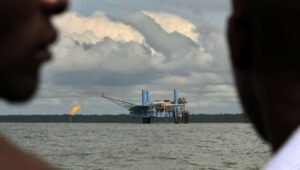
The global governments have seen how the human element drive a system according to design and expectation as the traits and character of a leader in time of economic conflict can be a plus or minus to the system when they are equipped and broad. Africa highest burden has been that of oil volatility driven by many factors including prices, conflicts, external shock among others.
Mismanaged oil windfalls frequently result in severe socioeconomic inequality and institutional corruption, damaging public trust. In Nigeria, we expect the national, state and local governments to work in concert to address the recurring crisis.
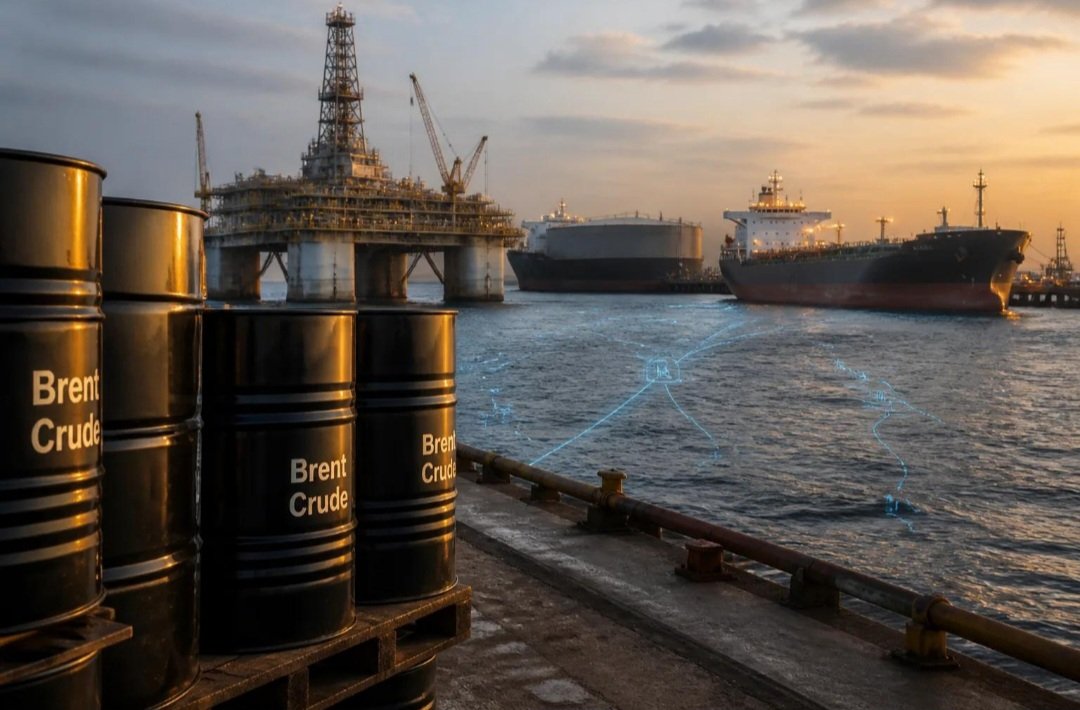
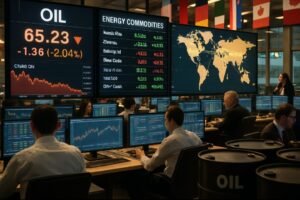
We have seen how conflicts in the strait of Hormuz influenced International crude oil benchmark prices to approximately $92.05 per barrel for WTI Crude and $102.87 per barrel for Brent Crude, according to live data from Trading Economics. The entire scenario shows how history is being repeated with the 1973 Arab oil embargo during the Yom Kippur War that showed how petroleum could be weaponized globally to pressure Western nations. We know how oil ail the global economy, that is why Nations must have well thought out and practical solutions in the context between polices and promises. It is no brainer that policy have the edge in managing situations like the deadlock of the strait of Hormuz.
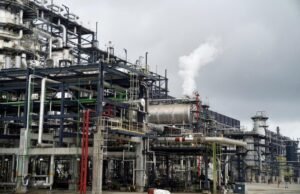
As experienced in Nigeria, discovery of crude oil shifted the nation’s focus away from agriculture and manufacturing, making the economy vulnerable to global price crashes. High dependence on crude oil revenue has fostered institutional and economic indolence for countries like Nigeria, discouraging productive diversification as easy petrodollars since the 1970s led Nigeria to abandon robust agricultural and manufacturing bases, such as cocoa, groundnut pyramids, and palm oil industries. Government and elite reliance on monthly oil allocations created a culture of fiscal complacency, abandoning internal revenue generation and long-term infrastructure planning.
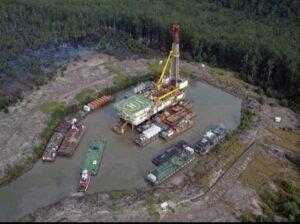
Currently, swings in global Brent crude prices have directly destabilize the Nigerian Naira and foreign exchange reserves, triggering recurrent economic crises due to a lack of buffer savings. The challenges of Nigeria is further aggressively compounded by the closure of the Strait of Hormuz that blocked roughly one-fifth of the world’s oil and one-quarter of its liquefied natural gas (LNG), triggering severe global energy shocks, spiking inflation, and cascading supply chain failures. The consequences is that International benchmark Brent crude spiked past $115 per barrel, while U.S. WTI hovered between $90 and $100. [1]. Millions face heightened risk of hunger as transport and input costs surge, driving up grocery prices and straining household budgets globally.
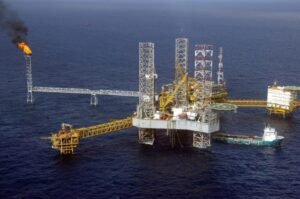
At this time when the United Nations General Assembly UNGA has identified oil crisis as as one of the existential threats, the global community must intensify efforts to tackle poverty and hunger. This is because economic management in big and vulnerable countries cost a lot of efforts and money. The global body needs proper pacing all year round if the global economy must go the distance, sustain the momentum and stay on course.
THE WRITER CAN BE REACHED ON 07057447442