
Opinion
Canada: The Price of Non-FIFPRO Membership — When Players Built Their Union From The Ground Up

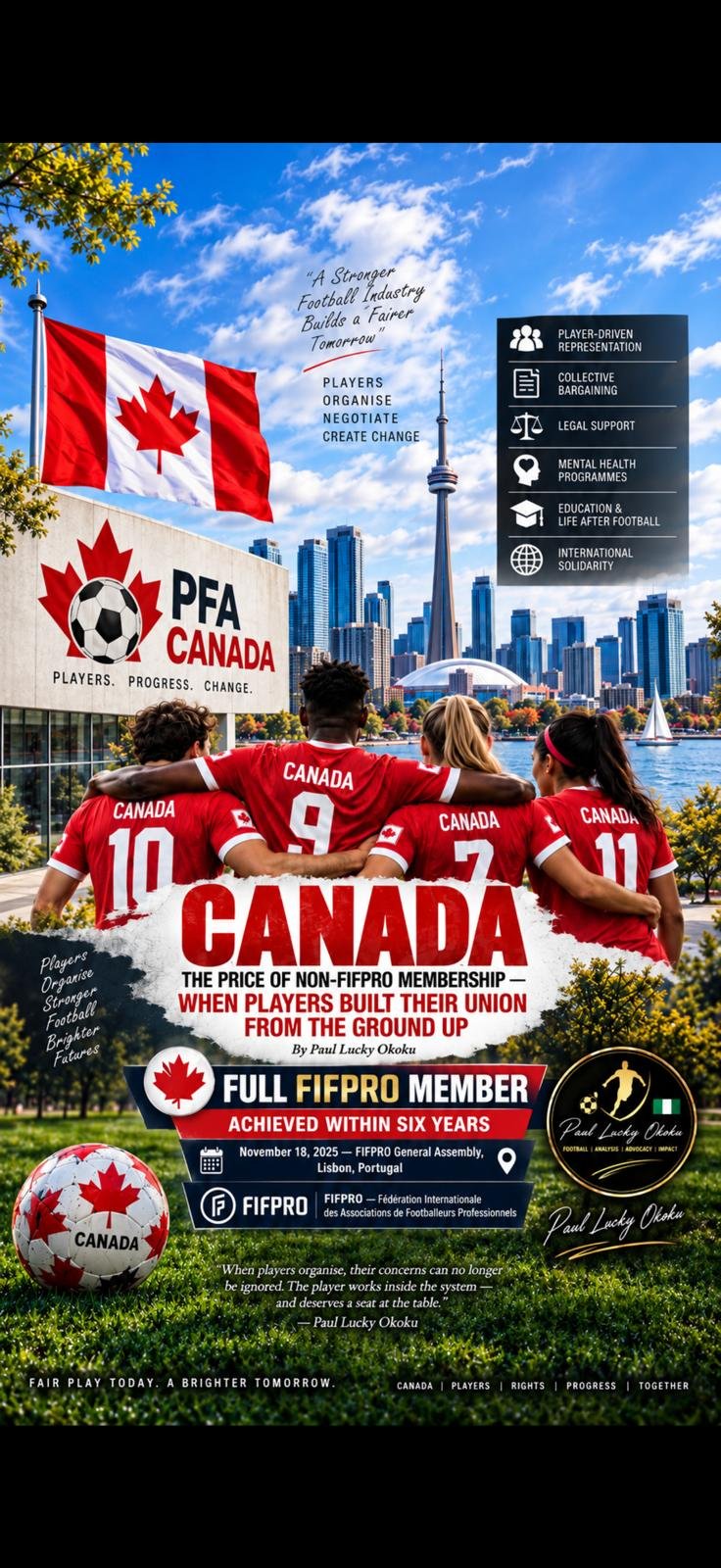
𝗕𝘆 𝗣𝗮𝘂𝗹 𝗟𝘂𝗰𝗸𝘆 𝗢𝗸𝗼𝗸𝘂
𝗙𝗿𝗼𝗺 𝗙𝗼𝗿𝗺𝗮𝘁𝗶𝗼𝗻 𝘁𝗼 𝗙𝘂𝗹𝗹 𝗙𝗜𝗙𝗣𝗥𝗢 𝗠𝗲𝗺𝗯𝗲𝗿𝘀𝗵𝗶𝗽 — How Canadian Footballers Built Legitimacy Step by Step
Some player unions inherit decades of history.
Canada’s professional footballers had to build theirs while a new domestic league was still finding its feet.
The Canadian Premier League began play in 2019. In 𝗙𝗲𝗯𝗿𝘂𝗮𝗿𝘆 𝟮𝟬𝟮𝟬, Canadian Premier League players formed Professional Footballers Association Canada — PFA Canada — seeking greater accountability, fairness and transparency through collective bargaining.
There was no century-old institution waiting for them.
No inherited bargaining structure.
No established domestic union tradition inside the new league.
They had to organise one themselves.

And that is what makes the Canadian story especially instructive.
It did not begin with international status.
It began with players deciding they needed a collective voice.
𝗧𝗛𝗘 𝗨𝗡𝗜𝗢𝗡 𝗖𝗔𝗠𝗘 𝗕𝗘𝗙𝗢𝗥𝗘 𝗧𝗛𝗘 𝗦𝗧𝗔𝗧𝗨𝗦
PFA Canada’s first task was not to become internationally recognised.
It was to establish itself among the players.
FIFPRO reported in 𝗙𝗲𝗯𝗿𝘂𝗮𝗿𝘆 𝟮𝟬𝟮𝟭 that the young union had already signed more than 90 percent of Canadian Premier League players and expected that figure to approach full participation the following season.
That early support mattered.
Before an organisation can credibly ask an international body to recognise it, it must first demonstrate that the footballers themselves are prepared to stand behind it.
The foundation was therefore domestic.
Players organised.
Membership grew.

The union established a presence.
Only then did the international pathway begin.
𝗠𝗔𝗬 𝟮𝟬𝟮𝟭 — 𝗖𝗔𝗡𝗔𝗗𝗔 𝗕𝗘𝗖𝗔𝗠𝗘 𝗔 𝗙𝗜𝗙𝗣𝗥𝗢 𝗖𝗔𝗡𝗗𝗜𝗗𝗔𝗧𝗘 𝗠𝗘𝗠𝗕𝗘𝗥
In 𝗠𝗮𝘆 𝟮𝟬𝟮𝟭, PFA Canada became a 𝗰𝗮𝗻𝗱𝗶𝗱𝗮𝘁𝗲 𝗺𝗲𝗺𝗯𝗲𝗿 𝗼𝗳 𝗙𝗜𝗙𝗣𝗥𝗢.
That was the first formal international milestone.
Candidate status meant the union had entered FIFPRO’s membership pathway, but it had not yet reached the destination.
There was still work to do.
The organisation had to continue demonstrating that it was genuinely player-driven, that it could represent footballers effectively and that its domestic legitimacy was real.
Canada had entered the structure.
Now it had to prove itself within it.
𝗗𝗘𝗖𝗘𝗠𝗕𝗘𝗥 𝟮𝟬𝟮𝟮 — 𝗧𝗛𝗘 𝗣𝗟𝗔𝗬𝗘𝗥𝗦 𝗚𝗔𝗩𝗘 𝗧𝗛𝗘 𝗨𝗡𝗜𝗢𝗡 𝗜𝗧𝗦 𝗠𝗔𝗡𝗗𝗔𝗧𝗘
The most important domestic breakthrough came in 𝗗𝗲𝗰𝗲𝗺𝗯𝗲𝗿 𝟮𝟬𝟮𝟮.

Canadian Premier League players voted unanimously among those participating for PFA Canada to serve as their collective-bargaining representative. Following that vote, the Canadian Premier League formally recognised the union.
That sequence is crucial.
The league did not simply select an organisation to speak for the players.
The players chose their representative.
Then the league recognised that choice.
That answered the most basic question any players’ union should be able to answer:
𝗪𝗵𝗼 𝗮𝘂𝘁𝗵𝗼𝗿𝗶𝘀𝗲𝗱 𝘆𝗼𝘂 𝘁𝗼 𝘀𝗽𝗲𝗮𝗸 𝗳𝗼𝗿 𝘁𝗵𝗲 𝗽𝗹𝗮𝘆𝗲𝗿𝘀?
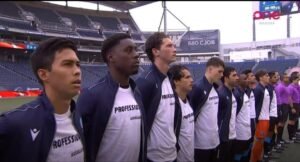
In Canada, the answer came from the dressing room.
𝗧𝗵𝗲 𝗽𝗹𝗮𝘆𝗲𝗿𝘀 𝗱𝗶𝗱.
𝗥𝗘𝗖𝗢𝗚𝗡𝗜𝗧𝗜𝗢𝗡 𝗖𝗥𝗘𝗔𝗧𝗘𝗗 𝗔 𝗕𝗔𝗥𝗚𝗔𝗜𝗡𝗜𝗡𝗚 𝗥𝗘𝗟𝗔𝗧𝗜𝗢𝗡𝗦𝗛𝗜𝗣
Formal recognition changed what PFA Canada could do.
The union was no longer simply advocating from outside the employment structure.
It had become the recognised bargaining agent for Canadian Premier League players.
By 𝗡𝗼𝘃𝗲𝗺𝗯𝗲𝗿 𝟮𝟬𝟮𝟱, FIFPRO reported that PFA Canada was negotiating its first collective agreement with the league.
That progression matters.
A players’ association can issue statements.

A recognised bargaining agent can negotiate.
A player acting alone may have limited leverage.
Players acting collectively can create a formal channel through which contracts, discipline, working conditions and other employment matters can be addressed.
That is where representation begins to acquire institutional weight.
𝗧𝗛𝗘 𝗨𝗡𝗜𝗢𝗡 𝗔𝗟𝗦𝗢 𝗛𝗔𝗗 𝗧𝗢 𝗣𝗥𝗢𝗩𝗘 𝗜𝗧𝗦 𝗩𝗔𝗟𝗨𝗘
PFA Canada did not rely on recognition alone.
It expanded the services surrounding the player.
FIFPRO highlighted the union’s partnership with Onrise, which provided mental-health support to Canadian Premier League players, as evidence of PFA Canada’s commitment to player wellbeing.

The union also provided support on legal issues and other employment-related matters.
Those developments broadened the meaning of representation.
A footballer is not only a contract.
There is a body that absorbs injury.
A mind that carries pressure.
A career that may end suddenly.
And a life that continues after the final whistle.
A serious players’ union has to understand all of them.
𝗧𝗛𝗘 𝗜𝗡𝗧𝗘𝗥𝗡𝗔𝗧𝗜𝗢𝗡𝗔𝗟 𝗧𝗘𝗦𝗧 𝗧𝗢𝗢𝗞 𝗬𝗘𝗔𝗥𝗦
Canada did not move from formation to full FIFPRO membership overnight.
That is one of the most important aspects of the story.
PFA Canada was formed in 𝗙𝗲𝗯𝗿𝘂𝗮𝗿𝘆 𝟮𝟬𝟮𝟬.
It entered FIFPRO as a candidate member in 𝗠𝗮𝘆 𝟮𝟬𝟮𝟭.
It secured formal domestic recognition after the player vote in 𝗗𝗲𝗰𝗲𝗺𝗯𝗲𝗿 𝟮𝟬𝟮𝟮.
It continued building bargaining capacity, legal support and player-welfare programmes.
Then came the international breakthrough.
FIFPRO itself says that progressing to full membership requires a union to demonstrate that it is reliable, player-driven and capable of fulfilling strict criteria 𝗼𝘃𝗲𝗿 𝘀𝗲𝘃𝗲𝗿𝗮𝗹 𝘆𝗲𝗮𝗿𝘀.
Canada therefore had to do more than apply.
It had to develop.
It had to demonstrate.
It had to endure the process.
𝗡𝗢𝗩𝗘𝗠𝗕𝗘𝗥 𝟭𝟴, 𝟮𝟬𝟮𝟱 — 𝗖𝗔𝗡𝗔𝗗𝗔 𝗥𝗘𝗔𝗖𝗛𝗘𝗗 𝗙𝗨𝗟𝗟 𝗙𝗜𝗙𝗣𝗥𝗢 𝗠𝗘𝗠𝗕𝗘𝗥𝗦𝗛𝗜𝗣
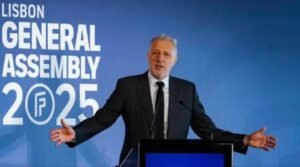
At the 𝗙𝗜𝗙𝗣𝗥𝗢 𝗚𝗲𝗻𝗲𝗿𝗮𝗹 𝗔𝘀𝘀𝗲𝗺𝗯𝗹𝘆 𝗶𝗻 𝗟𝗶𝘀𝗯𝗼𝗻, 𝗣𝗼𝗿𝘁𝘂𝗴𝗮𝗹, 𝗼𝗻 𝗡𝗼𝘃𝗲𝗺𝗯𝗲𝗿 𝟭𝟴, 𝟮𝟬𝟮𝟱, Canada reached the major milestone.
FIFPRO’s official announcement states that 𝗖𝗮𝗻𝗮𝗱𝗮 𝗺𝗼𝘃𝗲𝗱 𝗳𝗿𝗼𝗺 𝗰𝗮𝗻𝗱𝗶𝗱𝗮𝘁𝗲 𝘁𝗼 𝗳𝘂𝗹𝗹 𝗺𝗲𝗺𝗯𝗲𝗿.
FIFPRO’s French publication described Canada as a “membre à part entière,” while its Spanish version called Canada a “miembro de pleno derecho” — both meaning full member.
The 2025 General Assembly itself ran from 𝗡𝗼𝘃𝗲𝗺𝗯𝗲𝗿 𝟭𝟴 𝘁𝗼 𝗡𝗼𝘃𝗲𝗺𝗯𝗲𝗿 𝟮𝟬 𝗶𝗻 𝗟𝗶𝘀𝗯𝗼𝗻, bringing FIFPRO member unions from around the world together for strategy, collaboration and discussion on player representation.
For PFA Canada, the moment represented the culmination of a process that had begun less than six years earlier.
From formation.
To candidate status.
To domestic recognition.
To bargaining.
To demonstrated player services.
And finally to full membership.
𝗧𝗛𝗘 𝗧𝗜𝗠𝗘𝗟𝗜𝗡𝗘 𝗧𝗘𝗟𝗟𝗦 𝗧𝗛𝗘 𝗦𝗧𝗢𝗥𝗬
Canada’s development can be understood clearly through the dates:
𝗙𝗲𝗯𝗿𝘂𝗮𝗿𝘆 𝟮𝟬𝟮𝟬 — 𝗣𝗙𝗔 𝗖𝗮𝗻𝗮𝗱𝗮 𝗳𝗼𝗿𝗺𝗲𝗱.
𝗠𝗮𝘆 𝟮𝟬𝟮𝟭 — 𝗣𝗙𝗔 𝗖𝗮𝗻𝗮𝗱𝗮 𝗯𝗲𝗰𝗮𝗺𝗲 𝗮 𝗙𝗜𝗙𝗣𝗥𝗢 𝗰𝗮𝗻𝗱𝗶𝗱𝗮𝘁𝗲 𝗺𝗲𝗺𝗯𝗲𝗿.
𝗗𝗲𝗰𝗲𝗺𝗯𝗲𝗿 𝟮𝟬𝟮𝟮 — 𝗖𝗮𝗻𝗮𝗱𝗶𝗮𝗻 𝗣𝗿𝗲𝗺𝗶𝗲𝗿 𝗟𝗲𝗮𝗴𝘂𝗲 𝗽𝗹𝗮𝘆𝗲𝗿𝘀 𝘃𝗼𝘁𝗲𝗱 𝘂𝗻𝗮𝗻𝗶𝗺𝗼𝘂𝘀𝗹𝘆 𝗮𝗺𝗼𝗻𝗴 𝗽𝗮𝗿𝘁𝗶𝗰𝗶𝗽𝗮𝘁𝗶𝗻𝗴 𝗽𝗹𝗮𝘆𝗲𝗿𝘀 𝗳𝗼𝗿 𝗣𝗙𝗔 𝗖𝗮𝗻𝗮𝗱𝗮 𝘁𝗼 𝗿𝗲𝗽𝗿𝗲𝘀𝗲𝗻𝘁 𝘁𝗵𝗲𝗺, 𝗮𝗻𝗱 𝘁𝗵𝗲 𝗹𝗲𝗮𝗴𝘂𝗲 𝗳𝗼𝗿𝗺𝗮𝗹𝗹𝘆 𝗿𝗲𝗰𝗼𝗴𝗻𝗶𝘀𝗲𝗱 𝘁𝗵𝗲 𝘂𝗻𝗶𝗼𝗻.
𝗡𝗼𝘃𝗲𝗺𝗯𝗲𝗿 𝟭𝟴, 𝟮𝟬𝟮𝟱 — 𝗙𝗜𝗙𝗣𝗥𝗢 𝗮𝗻𝗻𝗼𝘂𝗻𝗰𝗲𝗱 𝗮𝘁 𝗶𝘁𝘀 𝗚𝗲𝗻𝗲𝗿𝗮𝗹 𝗔𝘀𝘀𝗲𝗺𝗯𝗹𝘆 𝗶𝗻 𝗟𝗶𝘀𝗯𝗼𝗻 𝘁𝗵𝗮𝘁 𝗖𝗮𝗻𝗮𝗱𝗮 𝗵𝗮𝗱 𝗺𝗼𝘃𝗲𝗱 𝗳𝗿𝗼𝗺 𝗰𝗮𝗻𝗱𝗶𝗱𝗮𝘁𝗲 𝘁𝗼 𝗳𝘂𝗹𝗹 𝗺𝗲𝗺𝗯𝗲𝗿.
That progression is not accidental.
Each stage required the previous one to have substance.
Formation created the organisation.
Player support created legitimacy.
Candidate membership opened the international pathway.
Domestic recognition created bargaining authority.
Services demonstrated usefulness.
Time demonstrated durability.
Full FIFPRO membership came after the structure had been built.
𝗟𝗘𝗚𝗜𝗧𝗜𝗠𝗔𝗖𝗬 𝗪𝗔𝗦 𝗕𝗨𝗜𝗟𝗧, 𝗡𝗢𝗧 𝗗𝗘𝗖𝗟𝗔𝗥𝗘𝗗
This may be the most important lesson in the Canadian example.
The union did not begin at the top.
It climbed.
No title replaced the need for player support.
No international relationship replaced the need for domestic credibility.
No press release replaced the need for organisation.
And no claim of representation replaced the need for players themselves to provide the mandate.
The process took years because credibility had to accumulate.
Step by step.
Vote by vote.
Service by service.
That is how an institution becomes difficult to dismiss.
𝗧𝗛𝗘 𝗖𝗔𝗡𝗔𝗗𝗜𝗔𝗡 𝗟𝗘𝗦𝗦𝗢𝗡
Football administration often works from the top downward.
Federations regulate.
Leagues organise.
Owners employ.
Administrators decide.
Canada’s union story moved in the opposite direction.
It began with the players.
That is what makes the example powerful.
FIFPRO membership can provide international recognition.
Collective bargaining can formalise representation.
Legal and welfare services can make a union useful.
But those achievements do not appear merely because an organisation gives itself a name.
Canada’s path shows something more demanding.
First, build the organisation.
Then earn the players’ confidence.
Then establish domestic legitimacy.
Then enter the international process.
Then demonstrate that the union can actually serve the footballers it represents.
Only after those stages came full membership.
Canada began in 𝗙𝗲𝗯𝗿𝘂𝗮𝗿𝘆 𝟮𝟬𝟮𝟬.
It became a candidate member in 𝗠𝗮𝘆 𝟮𝟬𝟮𝟭.
The players formally confirmed the union’s mandate in 𝗗𝗲𝗰𝗲𝗺𝗯𝗲𝗿 𝟮𝟬𝟮𝟮.
And on 𝗡𝗼𝘃𝗲𝗺𝗯𝗲𝗿 𝟭𝟴, 𝟮𝟬𝟮𝟱, in Lisbon, Portugal, Canada reached full FIFPRO membership.
The journey took almost six years from formation to full international recognition.
There was no shortcut.
There was a process.
And perhaps that is the strongest lesson of all.
𝗜𝗻𝘁𝗲𝗿𝗻𝗮𝘁𝗶𝗼𝗻𝗮𝗹 𝗿𝗲𝗰𝗼𝗴𝗻𝗶𝘁𝗶𝗼𝗻 𝗺𝗮𝘆 𝗯𝗲 𝗮𝘄𝗮𝗿𝗱𝗲𝗱 𝗮𝘁 𝘁𝗵𝗲 𝗲𝗻𝗱.
𝗕𝘂𝘁 𝗰𝗿𝗲𝗱𝗶𝗯𝗶𝗹𝗶𝘁𝘆 𝗵𝗮𝘀 𝘁𝗼 𝗯𝗲 𝗯𝘂𝗶𝗹𝘁 𝗳𝗿𝗼𝗺 𝘁𝗵𝗲 𝗯𝗲𝗴𝗶𝗻𝗻𝗶𝗻𝗴.