
Opinion
Nigeria Economic Crisis: Where The Positives End

BY AVM (RTD) AKUGBE IYAMU MNSA fsi


PRESIDENT ASSOCIATION OF ENVIRONMENTAL PROTECTION AND CLIMATE CHANGE PRACTITIONERS
CONSULTANT ON CLIMATE CHANGE AND ANALYST ON ENVIRONMENTAL POLICIES AND COMMENTATOR ON NATIONAL ISSUES
One trillion dollars economy can only be the result of staying faithfully to a reform that continues to invest in infrastructure and ensure stability in fiscal policies. While the one trillion dollars economy is feasible, the government must be ready to tackle key fiscal and macroeconomic issues. With only 4 years to go, positive momentum is required with outcomes for more jobs, food security, sustainable electricity and enhanced manufacturing sector that enhances citizens purchasing power. All these and many others are currently absent.
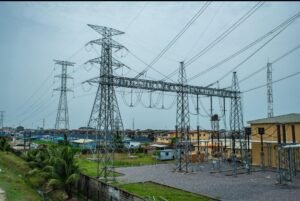
The Governor of the Central Bank of Nigeria stated that financial inclusion must translate to stronger households as 61% of adults in Nigeria are in financial distress. The 400 billion dollars Nigeria nominal GDP may be encouraging but there are large gaps in the key sectors of the economy that should drive growth and development. This dire situation is either forcing SMEs to close their business or forcing multinationals out of the country.
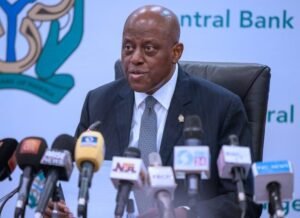
The cardinal challenge is the ease of doing business including lack of sustainable electricity and multiple taxation. The combination of these have discouraged foreign direct investment despite World Bank projected Nigeria economy to account for 1.5% of global GDP in 2026. The projection is based on agriculture, manufacturing and services expected to boost growth and expansion. This is where the positives end.
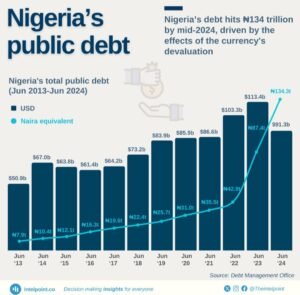
From the current situation in Nigeria, economic growth that do not improve the lives of citizens is not cheering for the citizens. We know that the foreign reserves have risen to about 54 billion dollars but the country’s debt to GDP ratio is still very high. This is largely the concern of the organised private sector: the growth in headline GDP is yet to address the weaknesses of the manufacturing sector. This has made the real sector vulnerable to structural and external pressures resulting in a growth disproportionately occurring in services of up to 52.62%.
Considering the above reality, the factors that grow an economy seems not to be present with the real sector averaging around 17.23% largely due to slowing down of growth in the industry. Headline GDP must result in physical growth with the desired outcome and gains. All these matters informed The World Bank position in its building Momentum for Inclusive Growth to observed that while some of FGs reforms may be encouragingly on the right track, it is yet to make the desired correction for a one trillion dollar economy. There is a compelling need to increase Nigeria GDP need to grow by 500% before 2030.
YOU CAN REACH ME ON 07057447442