
Opinion
Nigerian Women Footballers: The Price of Non-FIFPRO Membership – Unpaid Labour, Poor Working Conditions, Reported Harassment And Fear of Retaliation

𝐁𝐲 𝐏𝐚𝐮𝐥 𝐋𝐮𝐜𝐤𝐲 𝐎𝐤𝐨𝐤𝐮
What happens when a footballer believes money is owed to her but speaking publicly could threaten her career?
What happens when challenging poor conditions may affect selection, contracts or future opportunities?
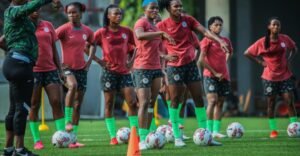
Across different generations, Nigerian women footballers have raised concerns about unpaid entitlements, poor working conditions, exclusion, harassment and the consequences of speaking up.
Together, those concerns point to the need for credible, independent player representation.
𝐓𝐇𝐄 𝐏𝐑𝐎𝐁𝐋𝐄𝐌 𝐄𝐗𝐓𝐄𝐍𝐃𝐒 𝐁𝐄𝐘𝐎𝐍𝐃 𝐓𝐇𝐄 𝐒𝐔𝐏𝐄𝐑 𝐅𝐀𝐋𝐂𝐎𝐍𝐒
After the 𝟐𝟎𝟐𝟑 𝐅𝐈𝐅𝐀 𝐖𝐨𝐦𝐞𝐧’𝐬 𝐖𝐨𝐫𝐥𝐝 𝐂𝐮𝐩, 𝐅𝐈𝐅𝐏𝐑𝐎 confirmed that it was assisting the 𝐒𝐮𝐩𝐞𝐫 𝐅𝐚𝐥𝐜𝐨𝐧𝐬 in a dispute with the 𝐍𝐢𝐠𝐞𝐫𝐢𝐚 𝐅𝐨𝐨𝐭𝐛𝐚𝐥𝐥 𝐅𝐞𝐝𝐞𝐫𝐚𝐭𝐢𝐨𝐧 over bonuses, camp allowances and expenses, some dating back to 2021.
The domestic league has produced its own warning signs. In 𝐌𝐚𝐫𝐜𝐡 𝟐𝟎𝟐𝟎, the 𝐍𝐢𝐠𝐞𝐫𝐢𝐚 𝐖𝐨𝐦𝐞𝐧 𝐅𝐨𝐨𝐭𝐛𝐚𝐥𝐥 𝐋𝐞𝐚𝐠𝐮𝐞 postponed the season after 𝟏𝟐 𝐨𝐟 𝟏𝟔 𝐜𝐥𝐮𝐛𝐬 failed to show that wages were up to date and comprehensive medical tests had been completed. Then-NWFL Chief Operating Officer 𝐃𝐫. 𝐀𝐲𝐨 𝐀𝐛𝐝𝐮𝐥𝐫𝐚𝐡𝐦𝐚𝐧 insisted the competition could not begin while clubs still owed players.
Once an organisation employs footballers professionally, paying them and meeting basic welfare obligations should not be optional.
𝐓𝐄𝐍 𝐘𝐄𝐀𝐑𝐒 𝐖𝐈𝐓𝐇𝐎𝐔𝐓 𝐀 𝐒𝐀𝐋𝐀𝐑𝐘
In 𝐀𝐮𝐠𝐮𝐬𝐭 𝟐𝟎𝟐𝟓, Super Falcons captain 𝐑𝐚𝐬𝐡𝐞𝐞𝐝𝐚𝐭 𝐀𝐣𝐢𝐛𝐚𝐝𝐞 said she spent 𝟏𝟎 𝐲𝐞𝐚𝐫𝐬 playing for 𝐅𝐂 𝐑𝐨𝐛𝐨 𝐐𝐮𝐞𝐞𝐧𝐬 without receiving a salary.
That account deserves attention because it exposes a basic contradiction: football is treated as professional when players are expected to train, compete and perform, but not always when it is time to pay them.
𝐖𝐇𝐄𝐍 𝐒𝐏𝐄𝐀𝐊𝐈𝐍𝐆 𝐔𝐏 𝐂𝐀𝐍 𝐇𝐀𝐕𝐄 𝐂𝐎𝐍𝐒𝐄𝐐𝐔𝐄𝐍𝐂𝐄𝐒
On 𝐒𝐞𝐩𝐭𝐞𝐦𝐛𝐞𝐫 𝟑𝟎, 𝟐𝟎𝟐𝟑, a 𝐏𝐮𝐥𝐢𝐭𝐳𝐞𝐫 𝐂𝐞𝐧𝐭𝐞𝐫 investigation based on reporting by 𝑻𝒉𝒆 𝑨𝒕𝒉𝒍𝒆𝒕𝒊𝒄 published accounts from members of Nigeria’s 2023 Women’s World Cup squad about unpaid wages and alleged blacklisting.
The players who discussed the blacklisting issue asked to remain anonymous because they said they feared consequences for speaking publicly. One described the atmosphere this way:
“𝐖𝐡𝐞𝐧 𝐲𝐨𝐮 𝐬𝐩𝐞𝐚𝐤 𝐮𝐩, 𝐭𝐡𝐞𝐧 𝐲𝐨𝐮 𝐛𝐞𝐜𝐨𝐦𝐞 𝐭𝐡𝐞 𝐛𝐥𝐚𝐜𝐤 𝐬𝐡𝐞𝐞𝐩.”
Veteran goalkeeper 𝐓𝐨𝐜𝐡𝐮𝐤𝐰𝐮 𝐎𝐥𝐮𝐞𝐡𝐢 was said by players present to have asked 𝐍𝐅𝐅 officials during the 𝟐𝟎𝟐𝟐 𝐖𝐨𝐦𝐞𝐧’𝐬 𝐀𝐟𝐫𝐢𝐜𝐚 𝐂𝐮𝐩 𝐨𝐟 𝐍𝐚𝐭𝐢𝐨𝐧𝐬 in Morocco to treat the team “𝐥𝐢𝐤𝐞 𝐰𝐨𝐦𝐞𝐧, 𝐧𝐨𝐭 𝐠𝐢𝐫𝐥𝐬.” Those players alleged that she was subsequently excluded from international camps.
Former Super Falcons captain 𝐃𝐞𝐬𝐢𝐫𝐞 𝐎𝐩𝐚𝐫𝐚𝐧𝐨𝐳𝐢𝐞 was also named. Players alleged that after she pressed for outstanding payments following the 𝟐𝟎𝟏𝟗 𝐖𝐨𝐦𝐞𝐧’𝐬 𝐖𝐨𝐫𝐥𝐝 𝐂𝐮𝐩, including money owed to former teammates, she was stripped of the captaincy and excluded from the national team for two years.
Then-Super Falcons coach 𝐑𝐚𝐧𝐝𝐲 𝐖𝐚𝐥𝐝𝐫𝐮𝐦 later publicly said that Oparanozie had spoken strongly about unpaid wages and that federation officials initially prevented him from recalling her.
The 𝐍𝐅𝐅, however, denied that her omission was connected to the 2019 protest and said team selection was the coaches’ responsibility.
These are reported allegations, not judicial findings. But when players believe asserting their rights may affect selection, the fear itself becomes part of the power imbalance.
𝐇𝐀𝐑𝐀𝐒𝐒𝐌𝐄𝐍𝐓 𝐀𝐍𝐃 𝐒𝐀𝐅𝐄𝐆𝐔𝐀𝐑𝐃𝐈𝐍𝐆 𝐂𝐀𝐍𝐍𝐎𝐓 𝐁𝐄 𝐈𝐆𝐍𝐎𝐑𝐄𝐃
A 𝟐𝟎𝟐𝟓 𝐬𝐭𝐮𝐝𝐲 of 𝟑𝟖𝟔 𝐫𝐞𝐠𝐢𝐬𝐭𝐞𝐫𝐞𝐝 𝐚𝐭𝐡𝐥𝐞𝐭𝐞𝐬 in 𝐄𝐧𝐮𝐠𝐮 𝐒𝐭𝐚𝐭𝐞 found that 𝟕𝟎.𝟕 𝐩𝐞𝐫𝐜𝐞𝐧𝐭 reported experiencing sexual harassment in a sporting environment.
Reported experiences included inappropriate touching or groping at 𝟔𝟐.𝟒 𝐩𝐞𝐫𝐜𝐞𝐧𝐭, unwanted sexual comments at 𝟓𝟗.𝟏 𝐩𝐞𝐫𝐜𝐞𝐧𝐭 and unwanted sexual advances at 𝟓𝟔 𝐩𝐞𝐫𝐜𝐞𝐧𝐭. Only 𝟒𝟏.𝟕 𝐩𝐞𝐫𝐜𝐞𝐧𝐭 said incidents had been reported.
The study covered different sports and included men and women, so those figures cannot be presented as the prevalence specifically among Nigerian women footballers. They do, however, show a serious safeguarding concern in Nigerian sport.
Women’s football has produced its own allegations.
In a 𝟐𝟎𝟐𝟑 interview, Nigerian footballer 𝐅𝐚𝐯𝐨𝐮𝐫 𝐊𝐚𝐥𝐮 alleged that men had sought sex before helping her and that coaches and teammates had tried to take advantage of her. Former African Women’s Footballer of the Year 𝐂𝐲𝐧𝐭𝐡𝐢𝐚 𝐔𝐰𝐚𝐤 alleged in 𝟐𝟎𝟐𝟐 that players had been excluded because of their real or perceived sexual orientation.
In 𝟐𝟎𝟏𝟔, then-NFF First Vice President 𝐒𝐞𝐲𝐢 𝐀𝐤𝐢𝐧𝐰𝐮𝐧𝐦𝐢 said publicly that coaches “𝐭𝐚𝐤𝐞 𝐚𝐝𝐯𝐚𝐧𝐭𝐚𝐠𝐞 𝐨𝐟 𝐭𝐡𝐞 𝐠𝐢𝐫𝐥𝐬” while discussing Nigerian women’s football. He did not identify individuals, and the statement was not a judicial finding.
These accounts reinforce the need for an independent safeguarding system where a footballer can report harassment, coercion, discrimination or inappropriate conduct confidentially and without fear of career consequences.
𝐓𝐇𝐄 𝐏𝐑𝐈𝐂𝐄 𝐎𝐅 𝐍𝐎𝐍-𝐅𝐈𝐅𝐏𝐑𝐎 𝐌𝐄𝐌𝐁𝐄𝐑𝐒𝐇𝐈𝐏 𝐈𝐒 𝐀𝐋𝐒𝐎 𝐀 𝐏𝐑𝐎𝐓𝐄𝐂𝐓𝐈𝐎𝐍 𝐆𝐀𝐏
Travel, accommodation, nutrition, insurance, medical treatment, recovery and rest are all part of a footballer’s working conditions.

For women, the protections must go further.
Pregnancy should not end a football career.
Motherhood should not cost a player her contract.
A woman should not have to choose between having a family and earning a living through football.
𝐅𝐈𝐅𝐀’𝐬 𝐦𝐚𝐭𝐞𝐫𝐧𝐢𝐭𝐲 𝐫𝐞𝐠𝐮𝐥𝐚𝐭𝐢𝐨𝐧𝐬 establish minimum protections for professional women players. 𝐅𝐈𝐅𝐏𝐑𝐎 identifies among those rights paid maternity leave, the right to continue playing when medically able, the right to return after maternity leave when healthy, and the right to feed a baby during working hours in an appropriate place. 𝐅𝐈𝐅𝐀 expanded the framework in 𝟐𝟎𝟐𝟒 to include adoption leave and additional family-related protections.
In 𝐉𝐮𝐧𝐞 𝟐𝟎𝟐𝟔, the 𝐂𝐨𝐮𝐫𝐭 𝐨𝐟 𝐀𝐫𝐛𝐢𝐭𝐫𝐚𝐭𝐢𝐨𝐧 𝐟𝐨𝐫 𝐒𝐩𝐨𝐫𝐭 ruled in favour of Swedish player 𝐌𝐚𝐣𝐚 𝐆𝐨𝐭𝐡𝐛𝐞𝐫𝐠 after finding that 𝐋𝐚𝐳𝐢𝐨 𝐖𝐨𝐦𝐞𝐧 unlawfully ended an employment relationship because of her pregnancy. FIFPRO described the case as confirmation that FIFA’s maternity regulations are enforceable.
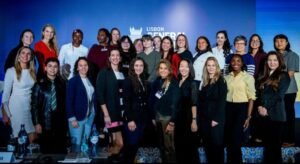
FIFPRO brings national player associations into a global structure dealing directly with employment standards, maternity protection, women’s health, transfers, workload, collective bargaining and player welfare.
Its 𝐖𝐨𝐦𝐞𝐧’𝐬 𝐏𝐥𝐚𝐲𝐞𝐫 𝐒𝐮𝐦𝐦𝐢𝐭 𝐢𝐧 𝐌𝐚𝐲 𝟐𝟎𝟐𝟔 brought active professional players into discussions on maternity regulations, assisted reproduction, women’s health and employment standards.
As of 𝐀𝐮𝐠𝐮𝐬𝐭 𝟐𝟎𝟐𝟓, 𝐅𝐈𝐅𝐏𝐑𝐎 identified 𝐍𝐢𝐠𝐞𝐫𝐢𝐚 among African countries whose player associations were still outside its membership structure. Nigerian representatives attended the FIFPRO Africa General Assembly alongside other non-member unions aspiring to join.
The absence of full FIFPRO membership does not mean Nigerian footballers have no rights under FIFA regulations.
They do.
But it does mean Nigerian players do not yet have the same fully integrated national-union connection to the global player-representation structure enjoyed by footballers whose unions are FIFPRO members.
Having an organised player body capable of educating players about those rights, helping enforce them, supporting a dispute and connecting the player to international representation is another matter.
A right written on paper is most valuable when the footballer knows it exists and has somewhere credible to turn when it is violated.
𝐎𝐓𝐇𝐄𝐑 𝐂𝐎𝐔𝐍𝐓𝐑𝐈𝐄𝐒 𝐒𝐇𝐎𝐖 𝐖𝐇𝐀𝐓 𝐎𝐑𝐆𝐀𝐍𝐈𝐒𝐄𝐃 𝐏𝐋𝐀𝐘𝐄𝐑 𝐑𝐄𝐏𝐑𝐄𝐒𝐄𝐍𝐓𝐀𝐓𝐈𝐎𝐍 𝐂𝐀𝐍 𝐀𝐂𝐇𝐈𝐄𝐕𝐄
Nigeria does not have to imagine what stronger player representation can look like. Other football countries have already gone through the difficult process of organising players, negotiating collectively and turning workplace complaints into enforceable protections.
In the 𝐍𝐞𝐭𝐡𝐞𝐫𝐥𝐚𝐧𝐝𝐬, the Dutch players’ union 𝐕𝐕𝐂𝐒 began organising women footballers more deliberately as the professional game developed. Former Netherlands international 𝐂𝐥𝐚𝐮𝐝𝐢𝐚 𝐯𝐚𝐧 𝐝𝐞𝐧 𝐇𝐞𝐢𝐥𝐢𝐠𝐞𝐧𝐛𝐞𝐫𝐠 said securing a collective bargaining agreement was a priority because many women were expected to behave like professionals without professional contracts, insurance or adequate compensation. VVCS helped female players at PSV secure a collective agreement, demonstrating how organisation can turn individual concerns into negotiated rights.
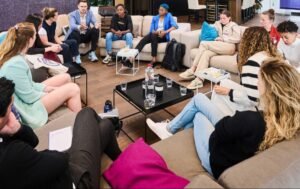
In 𝐒𝐩𝐚𝐢𝐧, women players have also used collective action and union representation to improve their working conditions. A players’ strike in 𝐒𝐞𝐩𝐭𝐞𝐦𝐛𝐞𝐫 𝟐𝟎𝟐𝟑 helped secure improved minimum salaries. The second collective agreement for Spain’s top women’s league, published in 𝐀𝐩𝐫𝐢𝐥 𝟐𝟎𝟐𝟓, went further: it included maternity and pregnancy protections, lactation rooms, childcare during training and matches, postpartum support, mental-health measures and an independent protocol dealing with sexual and workplace harassment.
In 𝐂𝐨𝐥𝐨𝐦𝐛𝐢𝐚, 𝐀𝐂𝐎𝐋𝐅𝐔𝐓𝐏𝐑𝐎 spent years demanding recognition and collective negotiation. After sustained pressure, labour intervention and international support, the union reached a 𝟐𝟎𝟐𝟓 agreement with the Colombian Football Federation and Dimayor covering health, workload, contracts and working conditions, including measures affecting the women’s league.
The lesson is not that these countries solved every problem.
They did not.
The lesson is that players organised, stayed involved and used collective representation to move workplace protections from promises into agreements.
That same global structure now addresses issues Nigerian women footballers are already confronting: maternity rights, women’s health, employment standards, collective bargaining, transfers, workload, player welfare and safeguarding. At the 𝐌𝐚𝐲 𝟐𝟎𝟐𝟔 𝐅𝐈𝐅𝐏𝐑𝐎 𝐖𝐨𝐦𝐞𝐧’𝐬 𝐏𝐥𝐚𝐲𝐞𝐫 𝐒𝐮𝐦𝐦𝐢𝐭, active players participated directly in discussions on maternity regulation, assisted reproduction, women’s health and employment conditions.
That is the comparison Nigeria should study.
The benefits did not appear automatically.
Players organised for them.
𝐀 𝐏𝐋𝐀𝐘𝐄𝐑 𝐒𝐇𝐎𝐔𝐋𝐃 𝐊𝐍𝐎𝐖 𝐇𝐄𝐑 𝐓𝐑𝐀𝐍𝐒𝐅𝐄𝐑 𝐑𝐈𝐆𝐇𝐓𝐒
A footballer’s ability to move is part of her livelihood, and international opportunities can disappear quickly as transfer windows close.
Under 𝐅𝐈𝐅𝐀’𝐬 revised International Transfer Certificate process, FIFPRO explains that a former club or federation cannot simply reject an ITC. If the former association does not respond within 𝟕𝟐 𝐡𝐨𝐮𝐫𝐬, the new association may proceed with registration. The player cannot be required to obtain or pay for the ITC herself.

Nigerian women footballers should know those rights.
No player should lose an overseas opportunity because she misunderstands the process or believes someone can arbitrarily block her move.
𝐓𝐇𝐄 𝐏𝐋𝐀𝐘𝐄𝐑 𝐌𝐔𝐒𝐓 𝐇𝐀𝐕𝐄 𝐀 𝐒𝐄𝐀𝐓 𝐀𝐓 𝐓𝐇𝐄 𝐓𝐀𝐁𝐋𝐄
Contracts, salaries, travel, medical standards, insurance, workload, rest periods and dispute-resolution rules directly affect active footballers.
Representation is not meaningful simply because someone carries the title of players’ representative.
The representative must first listen.
Are salaries being paid?
Are contracts understood before they are signed?
Are medical expenses covered?
What happens when a club breaches an agreement?
What do the players themselves want changed?
Active players know the pressure points because they live them.
The 𝐉𝐮𝐧𝐞 𝟐𝟎𝟐𝟔 𝐅𝐈𝐅𝐀–𝐅𝐈𝐅𝐏𝐑𝐎 𝐚𝐠𝐫𝐞𝐞𝐦𝐞𝐧𝐭 strengthened formal player participation in global football governance.
The lesson is straightforward: representation should begin with the footballers themselves.
The union listens.
The players establish priorities.
The representative carries those priorities into negotiations.
Afterwards, the players should know what was discussed, what was agreed and what remains unresolved.
𝐓𝐇𝐄 𝐏𝐋𝐀𝐘𝐄𝐑 𝐒𝐇𝐎𝐔𝐋𝐃 𝐍𝐎𝐓 𝐇𝐀𝐕𝐄 𝐓𝐎 𝐅𝐈𝐆𝐇𝐓 𝐀𝐋𝐎𝐍𝐄
The final test is simple:
Does the system protect the player when protection is actually needed?
If the answer depends on who she knows, whether she remains silent or whether she is powerful enough to fight alone, the system is not working as it should.
When players understand their rights, institutions enforce their obligations and representatives genuinely carry the players’ voice, the balance begins to change.
And Nigerian women footballers deserve nothing less.