
Opinion
Global Women’s Football: The Price of Non-FIFPRO Membership — Player Protection Goes Beyond Salary to Maternity And Workplace Rights

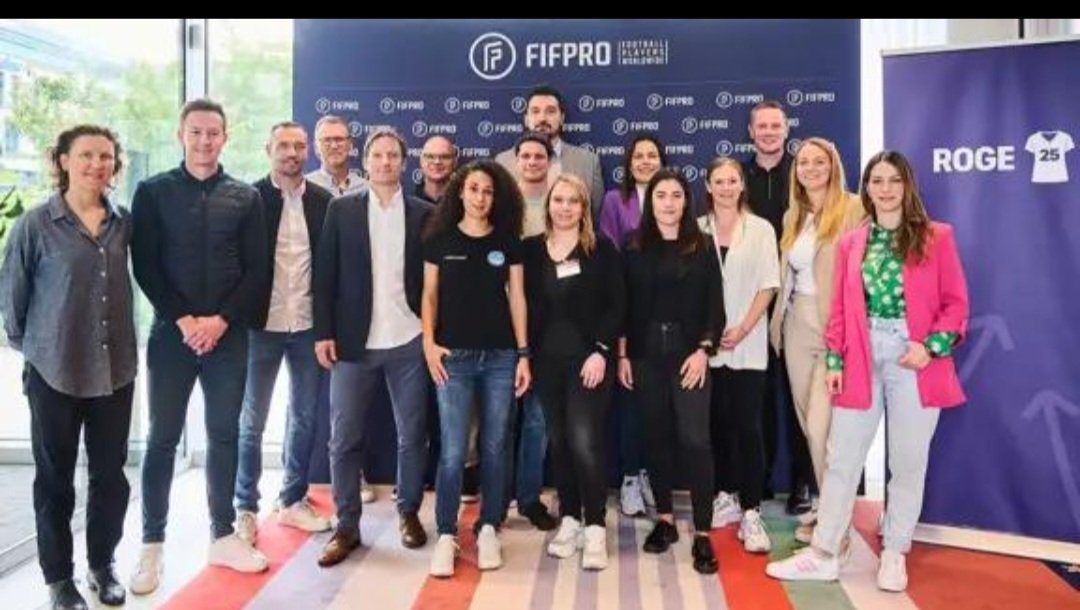
BY PAUL LUCKY OKOKU


For many years, the struggle in women’s football was simply for the right to play.Then, it became a fight for recognition, proper competition, and fair payment.
Today, the conversation has moved further. As women’s football attracts larger audiences, sponsorship, and prize money, another question must be asked:
Are the protections surrounding the women who produce that football growing at the same pace?
Being called a professional footballer should mean more than wearing a professional jersey. It should mean having a proper contract, medical protection, safe working conditions, maternity protection, freedom from harassment and discrimination, collective bargaining, and a meaningful voice in decisions affecting a player’s career.
That is why organised player representation matters.
FROM THE RIGHT TO PLAY TO THE RIGHT TO BE PROTECTED
Women footballers spent generations fighting simply for access to the sport.
As the game professionalises, the issue is no longer only whether women can play football, but under what conditions they are expected to work.
At FIFPRO’s Women’s Player Summit in Oslo in May 2026, players discussed collective bargaining agreements, employment standards, maternity protections, women’s health, and the international match calendar.
Professionalisation must eventually mean professional employment standards for the player.
COLLECTIVE BARGAINING CHANGES THE BALANCE OF POWER
An individual footballer negotiating alone is usually dealing with an organisation possessing far greater institutional power.

A club may have administrators, lawyers, medical departments, and financial resources. A federation may control national-team selection, tournaments, allowances, and access to international competition.
The individual player has her career. A players’ union allows footballers to address common workplace issues together instead of forcing each player to fight the same battle independently.
Collective bargaining can cover contracts, salaries, medical standards, insurance, leave, travel, accommodation, and dispute-resolution procedures.
At FIFPRO’s March 2026 Women’s Football Summit in Sydney, discussions included professionalisation, commercialisation, collective bargaining, structural reform, equal conditions, and prize money.
MATERNITY MATTERS — BUT IT IS ONLY ONE PART
Pregnancy and maternity protections remain among the clearest examples of rights women footballers historically could not take for granted.
A professional woman should not have to choose between becoming a mother and remaining a professional footballer.
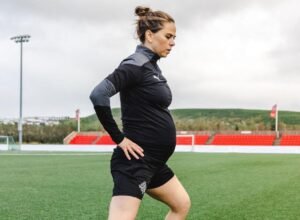
Modern football regulations increasingly recognise protections involving pregnancy, maternity leave, breastfeeding, and women-specific health concerns.
But maternity is only one part of the workplace. Players also need protection when they are injured, sign contracts, travel, experience discrimination or harassment, or raise concerns about their working conditions.
MEDICAL CARE IS A WORKPLACE RIGHT
Professional football places enormous physical demands on players. That makes medical care, injury prevention, rehabilitation, and return-to-play decisions employment issues.
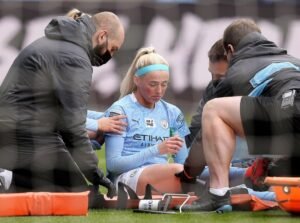
In September 2026, FIFPRO’s Project ACL reported significant differences in staffing and access to facilities and resources across clubs in England’s Women’s Super League.
The research is helping inform evidence-based minimum working standards for professional women’s football. That matters because an ACL injury can threaten a career. The quality of diagnosis, rehabilitation, and return-to-play decisions can directly affect a player’s health and livelihood.
An injured footballer is not simply an unavailable team member. She is a professional whose career may depend on the medical support surrounding her.
SAFETY AND DIGNITY ARE LABOUR RIGHTS
Women footballers must be able to work in environments free from harassment, discrimination, intimidation, and abuse.
Football does not stop being a workplace because the employees wear boots instead of business clothes.
Where significant power exists between employers, coaches, administrators, and athletes, credible safeguards are necessary.
A player should know where she can report misconduct and how it will be handled and that she does not have to confront powerful individuals or institutions alone.
A union is, therefore, not only there to recover unpaid salary. It can also help establish procedures and collective standards that protect individual workers.
GROWING COMMERCIAL VALUE SHOULD MEAN GROWING PLAYER POWER
Women’s football is becoming more valuable through expanding audiences, sponsorship, and major international competitions.

That raises an important question: If footballers are helping create greater commercial value, what role should they have in deciding how that value is shared?
In June 2026, FIFA and FIFPRO signed an agreement expanding formal cooperation between world football’s governing body and the global players’ representative organisation.
Among its commitments are developing global minimum standards for women’s national teams and encouraging a fair and appropriate share of prize money from senior FIFA competitions for participating players.
That gives players a stronger presence in discussions about the economic growth of the game.
THE PLAYER MUST HAVE A SEAT AT THE TABLE
Competition calendars, travel schedules, medical standards, contracts, prize money, and maternity policies all directly affect players.
Yet those most affected have not always had sufficient influence over those decisions.

Having player representation at the table matters. But representation must begin with the players themselves. Before a representative enters negotiations, there should be meaningful consultation with active players about their working conditions, concerns, and priorities.
What are they experiencing?
What needs to change?
What do they want raised on their behalf?
The representative should carry the collective voice of the players into the room, not simply speak for them without first hearing from them.
The June 2026 FIFA-FIFPRO agreement strengthened FIFPRO’s formal role in global football governance, including representation within FIFA structures and observer status with speaking rights on player-related matters at the FIFA Council.
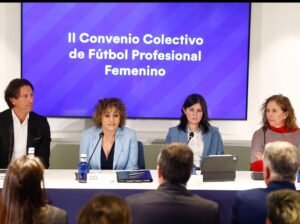
That is what organised representation should achieve:
Not merely a seat at the table.
A seat at the table carrying the voice of the players.
BEFORE THE PROBLEM HAPPENS
A strong players’ union should not become visible only when salaries disappear. By then, the problem has already happened.
Representation should exist before a contract is signed before an injury becomes a dispute before unsafe conditions become normal and before a player feels she must choose between remaining silent and protecting her career.
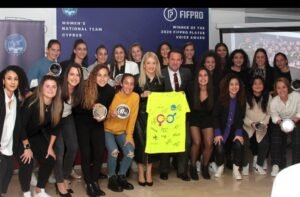
Its value is prevention as well as enforcement:
Standards.
Negotiation.
Protection.
Voice.
THIS IS BIGGER THAN SALARY
Of course, salaries matter. A professional footballer deserves to be paid according to her contract. But her working life can not be reduced to a monthly payment.
Her contract matters.
Her health and safety matter.
Her maternity rights matter.
Her protection from harassment and discrimination matters.
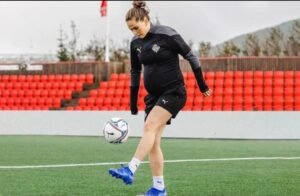
Her bargaining power matters.
Her participation in the growing economic value of the sport matters.
The women’s game is growing. So are the expectations placed on the players.
Their rights, protections, and bargaining power must grow with them. That is what professional football should mean. That is why player protection is about much more than salary.