
International
Utah Man Released After Decades on Death Row as New DNA Evidence Emerges

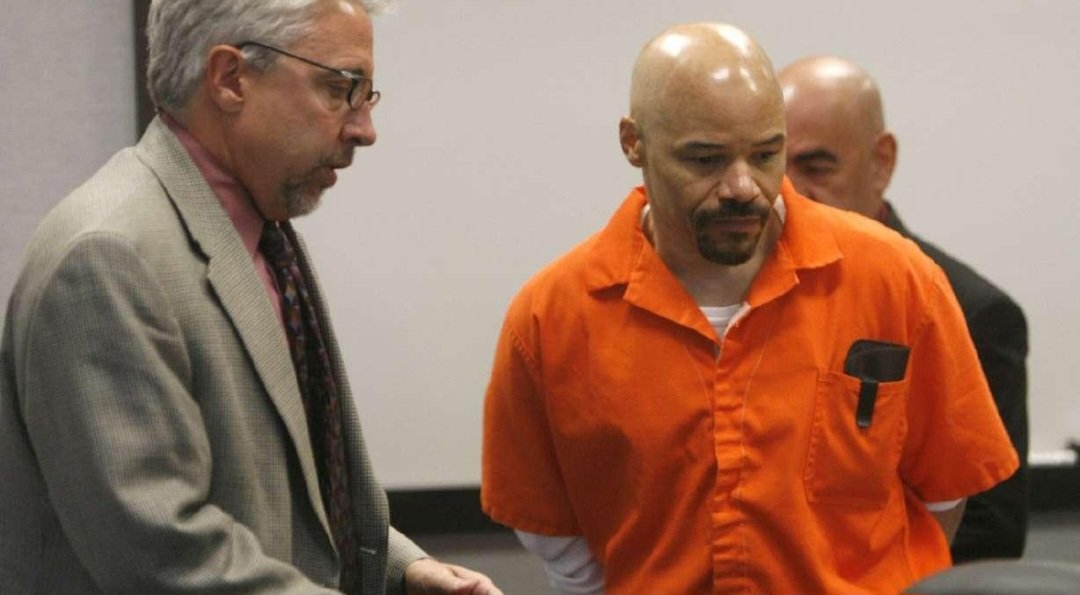
A 71-year-old man who spent more than four decades in Utah custody after being convicted of a 1985 murder has been released on bail while he awaits a new trial, following DNA testing that excluded him as a possible source of genetic material found at the crime scene.
Douglas Stewart Carter was ordered released Monday by Utah County District Judge Derek Pullan, despite objections from the family of Eva Olesen, whose killing led to Carter’s conviction. Carter must wear a GPS monitor and has been ordered not to contact Olesen’s family.

Carter was convicted of killing Olesen, the aunt of the Provo police chief at the time, in her home on February 27, 1985. Olesen was stabbed and shot during the attack.
Carter was sentenced to death that year and received the death penalty again after a 1992 retrial. He has consistently maintained his innocence and has said the confession used against him was obtained through coercive interrogation.
The case began to unravel after questions emerged about the investigation and testimony used to convict him. Two witnesses who testified that Carter had bragged about killing Olesen later said they had been pressured by authorities to give false testimony. They alleged that investigators threatened them with deportation and provided them with money and gifts. Authorities have disputed aspects of those allegations, saying some payments were related to witness protection.

In 2025, the Utah Supreme Court ordered a new trial, citing what it described as multiple instances of misconduct by investigators and a prosecutor. The ruling followed years of legal challenges surrounding the original conviction.
New DNA analysis has now added another significant development. Results received by prosecutors on September 22 excluded Carter as a possible match to blood found on a doorknob and genetic material recovered from the handle of the knife used in the killing.
The DNA findings prompted prosecutors to withdraw their previous notice that they intended to seek the death penalty in the upcoming retrial. Prosecutors have said, however, that the DNA results do not necessarily establish that Carter did not commit the killing and that they are continuing to reassess the remaining evidence.
Judge Pullan said the new DNA evidence further weakened the case against Carter but also concluded that a reasonable jury could still potentially find him guilty based on the evidence that remains.
Carter’s defense team has called for the aggravated murder charge to be dismissed, arguing that the case against him has been seriously undermined by the new evidence and the problems uncovered in the original investigation.
The victim’s family, meanwhile, has expressed concerns about Carter’s release. A representative said the DNA findings did not amount to a definitive identification of another perpetrator and that the family continues to want the circumstances surrounding Olesen’s death fully resolved.
Carter left the Utah County Jail Monday evening with his son, Tyler Anger, and members of his legal team. His son was adopted as an infant and only learned about his father’s conviction years later. Carter is expected to stay in an extended-stay accommodation near his son’s family while the case continues.
After spending most of his adult life behind bars, Carter now faces the prospect of adapting to life outside prison while still confronting a criminal charge and an expected retrial. His attorneys have also said he will need support to deal with the effects of his prolonged incarceration.
The retrial is expected to take place in 2027. Prosecutors are continuing to review the evidence, while Carter’s defense maintains that he should be cleared of the charge.
For now, the DNA evidence does not constitute a judicial finding of innocence, but it has become a central part of a case that has already gone through multiple trials, appeals and investigations over more than four decades.