
International
Saudi Airport Terminal Struck Again, One Killed a Day After Deadly Attack

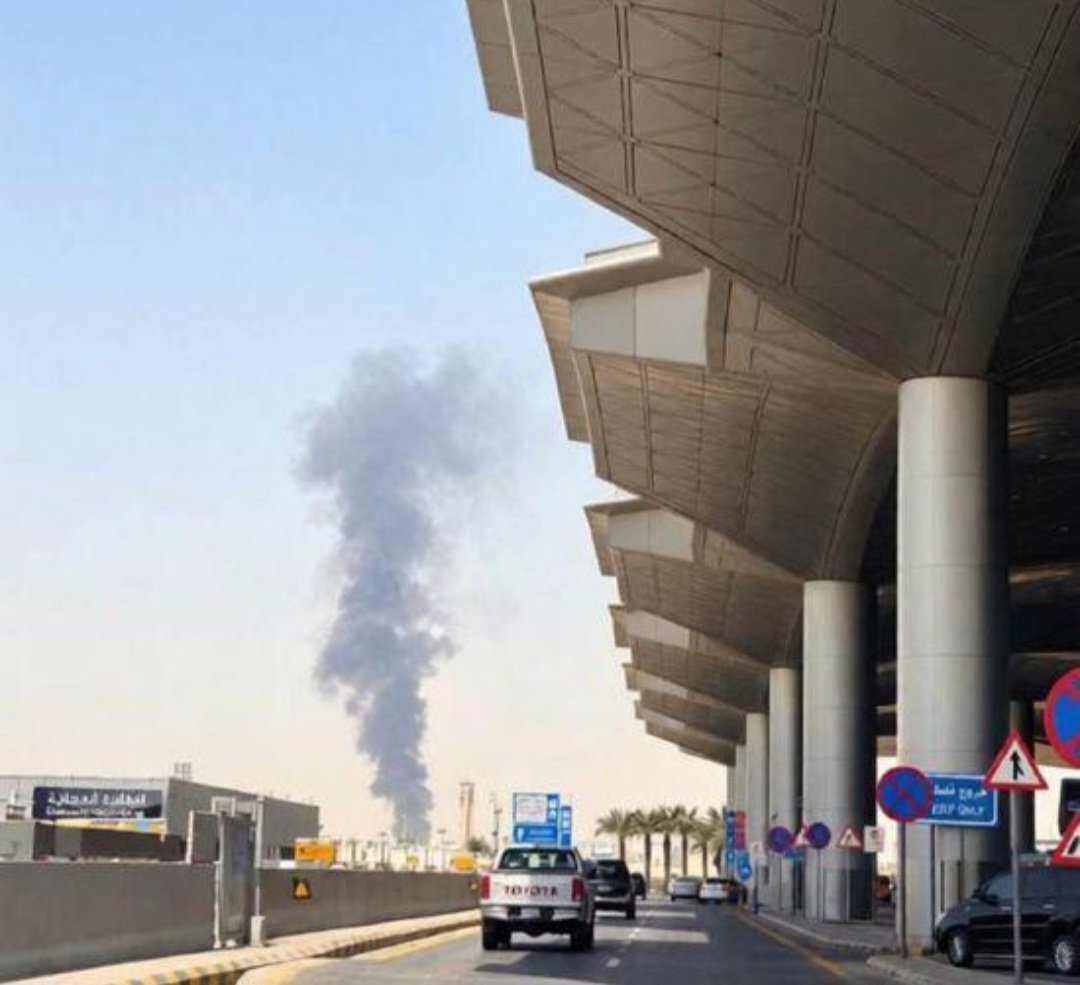
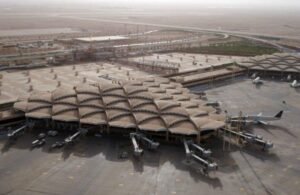
A passenger terminal at King Khalid International Airport in Riyadh, Saudi Arabia, was struck again on Sunday, October 11, killing one person and injuring 11 others, according to Saudi authorities, a day after a missile attack at the airport killed at least 12 people and wounded more than 300.
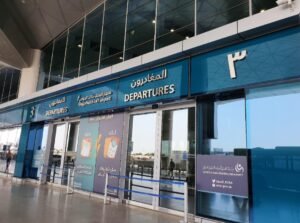
The latest attack targeted the airport’s domestic terminal complex, including Terminal 4, and caused a fire. Saudi Arabia’s civil aviation authority identified the person killed as a Pakistani national and said the injured were taken to hospitals for treatment.
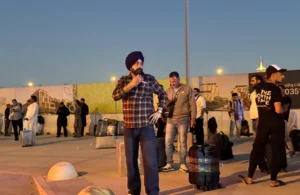
The renewed strike came amid an escalating conflict involving Saudi Arabia and Yemen’s Iran-backed Houthi movement. The Houthis claimed responsibility for the attacks on Riyadh’s airport, as well as other operations targeting Saudi facilities.
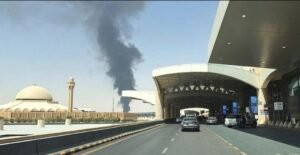
Saturday’s attack was among the deadliest strikes on Saudi Arabia in more than a decade. India’s embassy in the kingdom subsequently announced that an Indian national injured in that attack had died, bringing the reported death toll from Saturday’s strike to 13.
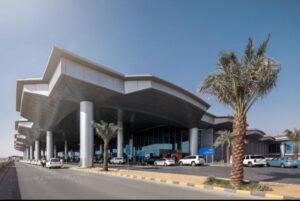
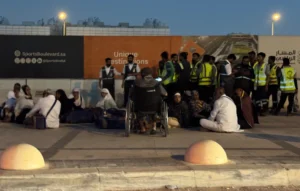
The airport has been hit four times in five days, raising concerns about the safety of passengers, airport workers and commercial aviation across the region. Operations have been disrupted, with the airport closed following Saturday’s attack as authorities assessed the damage and reviewed security arrangements.
The attacks have also raised fears of a wider regional confrontation. Saudi-led coalition forces have been fighting the Houthis in Yemen, where the conflict has intensified following the breakdown of a period of relative calm.
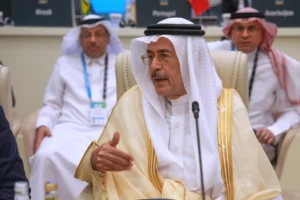
The Houthis have warned of further attacks against Saudi airports and other infrastructure, while Saudi Arabia and its partners have condemned the strikes. Several countries have also issued warnings over travel and security risks, and some airlines have suspended services to affected airports.
The latest violence has implications beyond aviation. Riyadh is a major regional transport hub, while Saudi Arabia plays a significant role in global energy markets. Continued attacks on airports and energy infrastructure could disrupt travel, business activity and oil shipments, particularly if the conflict spreads towards strategic maritime routes in the Red Sea region.
The United States has indicated that it is considering its response to the escalation, while Saudi and Iranian foreign ministers have held talks amid calls for a political solution. Any further military involvement by outside powers could widen the conflict and increase risks to civilians across the region.
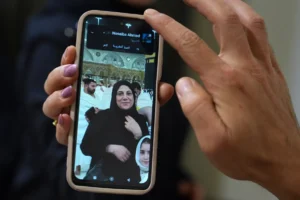
Authorities are continuing to assess the damage and casualties from the latest attack. The repeated strikes have heightened concerns over airport security and the potential for further escalation between Saudi Arabia and the Houthi movement.