
Business
Indonesian Stocks Rebound 3% as Authorities Move to Stem MSCI-Driven Sell-Off

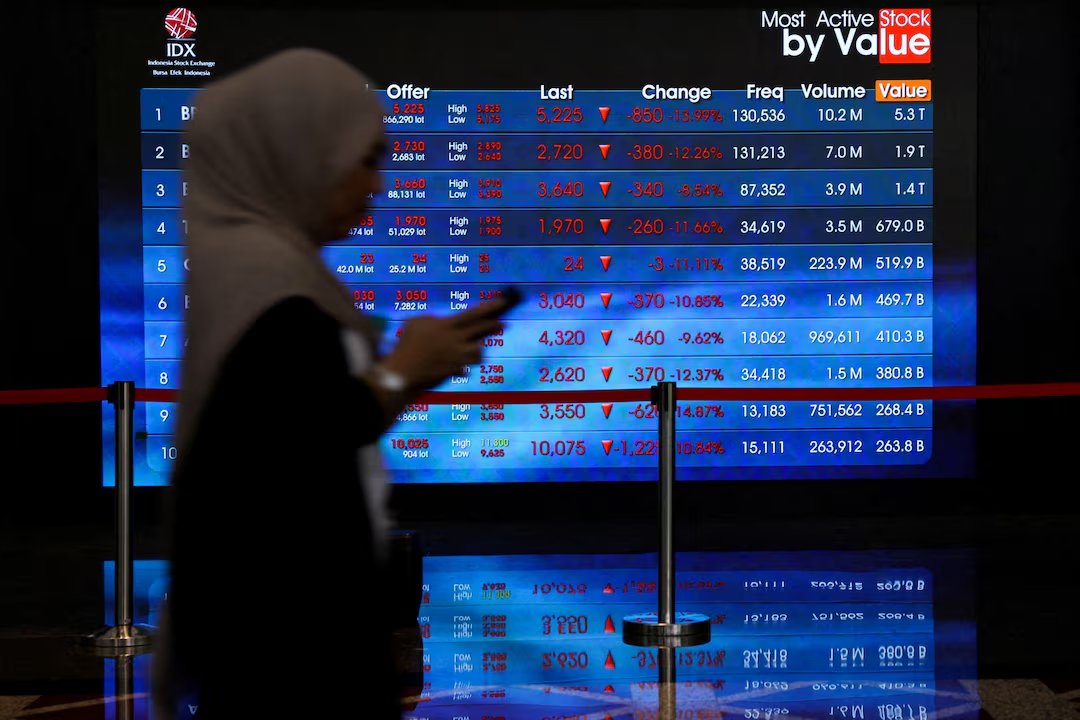
Indonesian stocks recovered on Tuesday after authorities introduced emergency measures to curb a major market sell-off triggered by fears that global index provider MSCI could downgrade the country’s stock market from emerging-market to standalone status.
The Jakarta Composite Index rose 3% on October 20, following a steep decline that saw the benchmark lose 14.8% across Friday and Monday, October 16 and 19. The market had fallen to a six-year low as investors reacted to MSCI’s warning, with the two-day rout wiping approximately $82 billion from the market, according to Reuters.
The Indonesia Stock Exchange moved to limit further losses by reducing the daily price decline limit for stocks to 7% from 15%. The exchange also introduced a one-rupiah downward limit for shares trading at 14 rupiah or less, in an effort to contain volatility and stabilise trading.

MSCI announced on October 15 that it had launched a consultation on a proposal to reclassify Indonesia from an emerging market to a standalone market. The index provider cited persistent concerns about opaque shareholding structures, inadequate ownership transparency and suspected coordinated trading practices that could undermine fair price formation.
The proposed reclassification has raised concerns about Indonesia’s access to international investment. Global funds use MSCI indexes to guide investment decisions, meaning a downgrade could prompt some investors to reduce their exposure to Indonesian equities.

In response, Indonesian authorities have stepped up efforts to address the concerns. President Prabowo Subianto held discussions with senior financial officials, including the finance minister, central bank governor and head of the Financial Services Authority, known as OJK.
OJK chief Friderica Widyasari Dewi said the regulator would continue strengthening market transparency, liquidity and enforcement against violations. The regulator also recently announced fines totalling 2.1 trillion rupiah against entities linked to alleged manipulation involving shares of three companies.
Separately, the Indonesia Stock Exchange announced plans to exclude companies with highly concentrated ownership from its benchmark index, in a move intended to improve transparency and address concerns about the proportion of shares genuinely available for public trading.
Despite Tuesday’s recovery, Indonesia’s benchmark index remained down approximately 40% for the year, while the rupiah continued trading near record-low levels against the US dollar.
The market rebound therefore offers only limited relief as investors await further action from Jakarta and MSCI’s final decision. MSCI said it would announce its decision on the proposed reclassification by the end of June 2027, leaving Indonesian authorities under pressure to demonstrate meaningful and sustained reforms.
The outcome could have significant implications for foreign investment, market confidence and Indonesia’s standing among major emerging economies.