
Business
End of an Era? Hermès Birkin Bags Lose Their Scarcity Appeal

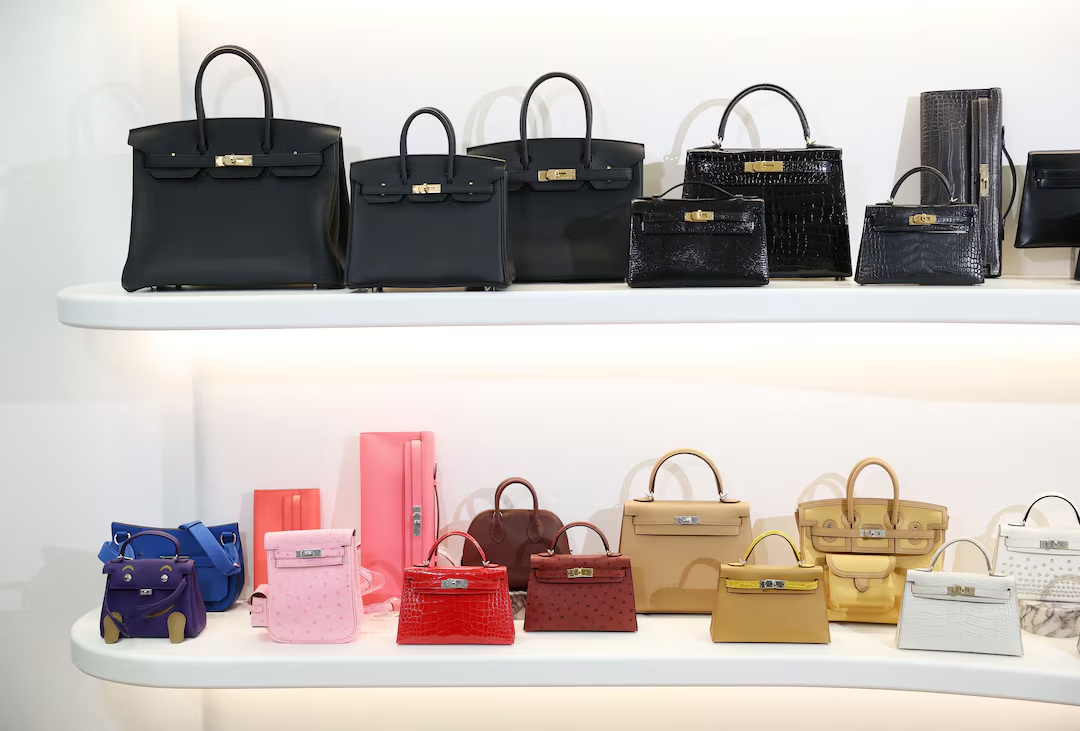
The Hermès Birkin bag, long regarded as one of the world’s most exclusive luxury accessories, is losing some of its scarcity appeal as falling resale prices and growing second-hand supplies challenge the market that helped turn it into a symbol of wealth and status.
A Reuters report published on Wednesday, October 21, found that resale prices for unworn Birkin bags have dropped significantly from their 2022 peak, with sellers reporting weaker demand and increasing difficulty making profits from the coveted handbags.

London-based reseller Cai Baochun, who previously bought Birkin bags to sell at substantial mark-ups, told Reuters he had stopped stockpiling them because of the risk of losing money. According to the report, the resale value of unworn bags has fallen by more than $6,000 from its peak in 2022.
The decline is raising questions about the sustainability of a business model built partly on limited availability, exclusivity and the prospect of substantial resale profits.
Named after the late British-French actor and singer Jane Birkin, the handbag has become a global status symbol, with some models selling on the secondary market for considerably more than their official retail prices.
For years, obtaining a Birkin directly from Hermès was difficult. Resellers interviewed by Reuters said access to the bags was often linked to customers’ previous purchases of other Hermès products, including scarves, clothing and shoes. The precise practices vary by market, and the company does not publicly disclose its allocation policies or production figures.
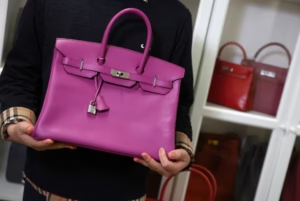
The scarcity surrounding the bags helped sustain demand among wealthy customers and created opportunities for resellers to charge substantial premiums.
However, the expansion of online resale platforms, specialist boutiques and social media marketplaces has made second-hand Birkin bags more visible and accessible to prospective buyers.
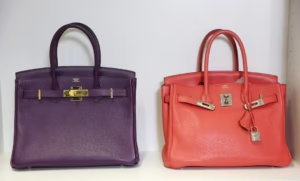
Sarah Davis, founder of luxury resale platform Fashionphile, told Reuters that listings of Birkin bags on the company’s platform had increased 32-fold over 15 years. The growing availability of pre-owned bags is making it harder for sellers to maintain the premium prices that once characterised the market.
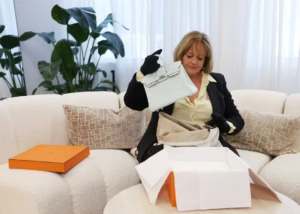
Data cited by brokerage Bernstein showed that Birkin 25 resale prices averaged approximately 1.7 times their retail price in the third quarter, compared with around 2.6 times at their 2022 peak.
The changing market comes as Hermès faces broader challenges in the luxury sector. Its shares have fallen by nearly 40 per cent this year, according to Reuters, placing the company among the weaker performers in the listed luxury goods industry.
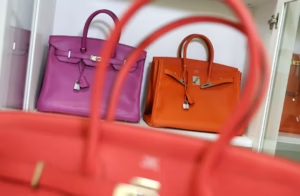
Analysts at UBS recently downgraded the stock, warning that the expanding supply of Birkin and Kelly bags on the secondary market could weaken the scarcity-driven model that has supported the brand’s value.
The company’s leather goods division, which includes the Birkin and Kelly handbags, accounts for about 44 per cent of group revenue, making the performance of its luxury accessories particularly important to its overall business.
Hermès has gradually expanded production by opening new workshops, but chief executive Axel Dumas has said output depends on the availability of skilled artisans and high-quality leather. The company declined to comment to Reuters on the findings of its report.
The shift also reflects a wider change in consumer behaviour. A June analysis by The Wall Street Journal found that luxury handbag sales had weakened from their 2023 peak, while interest in second-hand and vintage products was increasing. Some buyers are increasingly attracted to older designs and the prospect of finding distinctive pieces outside traditional luxury boutiques.
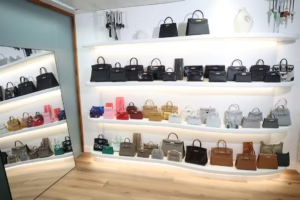
Nevertheless, the Birkin’s appeal has not disappeared. Some resellers continue to report firm prices for particular models, demonstrating that demand still varies according to style, condition and availability.
The central question for Hermès is whether the bag can maintain its extraordinary status and pricing power as more examples circulate in the resale market.
For a product whose desirability has long depended partly on being difficult to obtain, greater availability could weaken its exclusivity. But the Birkin’s craftsmanship, heritage and enduring association with wealth may continue to sustain demand, even if the extraordinary resale premiums of recent years become harder to achieve.