
World News
US and Israel Prepare for Possible New Iran Offensive, Reports Say

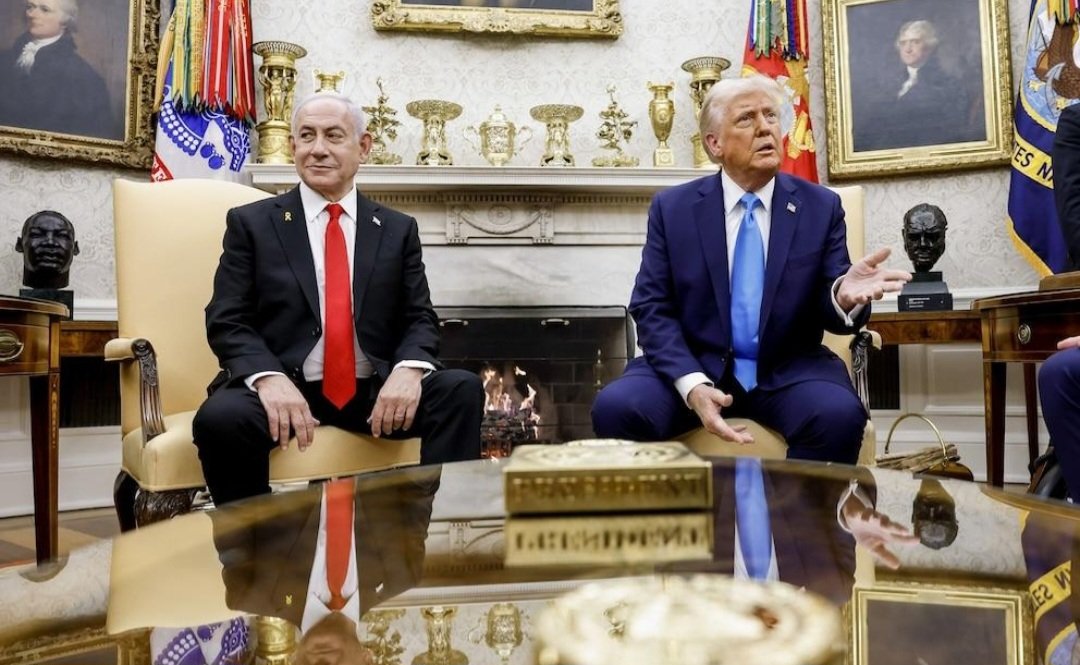
The United States and Israel have developed detailed military plans for possible renewed strikes against Iran following the November 3 US midterm elections, according to a report by The New York Times citing American officials and other people familiar with the deliberations.
The plans reportedly envisage a short but intensive military operation targeting Iran’s energy infrastructure, nuclear facilities and stockpiles of missiles and drones, as Washington and Tel Aviv increase preparations for a possible resumption of hostilities.

According to the report, the US and Israeli militaries have intensified exercises, including flights over Iraq to practise manoeuvres that could be used in a future strike campaign.
US Defence Secretary Pete Hegseth also met Israeli Prime Minister Benjamin Netanyahu during an unannounced visit to Israel earlier this week, with discussions reportedly covering the regional security situation and possible further military action against Iran.

The reported preparations come amid a prolonged confrontation between Washington and Tehran, with diplomatic efforts struggling to resolve disagreements over Iran’s nuclear programme, security arrangements and the wider regional conflict.
Officials familiar with the discussions reportedly believe another major round of attacks could further weaken Iran’s already strained economy and pressure its leadership into making concessions in negotiations.
However, the development does not mean a new offensive has been authorised. US President Donald Trump has previously said Washington would not launch attacks against Iran before the midterm elections, although he has also indicated that the confrontation could take a different direction if diplomatic efforts fail.

The timing of any potential operation therefore remains uncertain, with military preparations continuing alongside efforts to secure a diplomatic outcome.
Iran has repeatedly warned that any renewed US or Israeli attacks would provoke retaliation. Such a response could widen the conflict, threaten American and Israeli interests across the Middle East and increase risks to shipping and energy infrastructure.
The Strait of Hormuz, a critical route for global oil and gas shipments, remains a particular concern because further escalation could disrupt energy supplies and send prices higher.
A renewed campaign could also carry significant consequences for the global economy, particularly if attacks damage Iranian energy facilities or trigger retaliatory strikes against infrastructure elsewhere in the region.
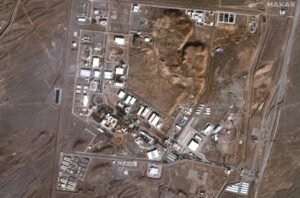
The reported target list includes deeply buried nuclear facilities, missile installations and drone capabilities, suggesting that any operation would seek to limit Iran’s ability to rebuild or deploy strategic weapons.
Nevertheless, the military and political risks remain substantial. Iran retains the capacity to retaliate, while a fresh offensive could undermine diplomatic efforts and draw additional countries into the conflict.
The latest reports highlight the growing possibility of renewed confrontation, but the ultimate decision rests with political leaders in Washington and Jerusalem. Neither government has publicly announced a final decision to launch the reported operation.