
International
Israel’s Parliament Elects New Speaker In Blow To Netanyahu’s Grip On Power

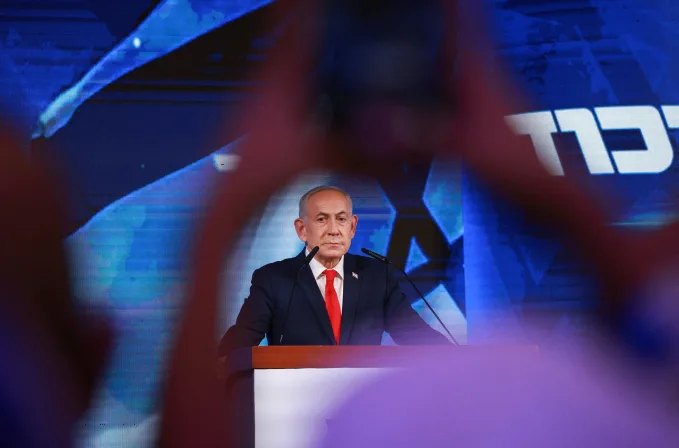
Israel’s parliament has elected a new speaker backed by opposition forces, dealing a significant political setback to Prime Minister Benjamin Netanyahu and strengthening efforts to reverse some of his government’s controversial policies.
Matan Kahana, an ally of opposition leader Gadi Eisenkot, secured 66 votes against 52 for Ofir Katz, the candidate supported by Netanyahu’s Likud party, during a parliamentary vote on Tuesday, November 17, 2026.
Kahana replaces Amir Ohana, a close ally of Netanyahu who previously occupied the powerful position.

His election represents an important victory for the anti-Netanyahu bloc, which has been seeking greater control of parliament following the October 27 general election that stripped the prime minister’s political alliance of its majority.
Kahana, a member of Eisenkot’s Yashar party, pledged to serve all Israelis regardless of their political, religious or social backgrounds.
“The Knesset of Israel is the home of all the citizens of the state of Israel, and I intend to be the speaker of everyone,” he said following his election.
The new speaker’s appointment is expected to give Netanyahu’s opponents greater influence over parliamentary proceedings, particularly the scheduling and advancement of legislation.

Among the proposals being considered by Eisenkot’s bloc are legislation to impose term limits on the office of prime minister, establish an independent commission of inquiry into the October 7, 2023 Hamas attacks and reverse judicial reforms introduced by Netanyahu’s outgoing government.
The proposed judicial changes had attracted widespread opposition in Israel, with critics arguing that they weakened the independence of the judiciary and increased political influence over the appointment of judges.
Eisenkot welcomed Kahana’s election, describing it as a significant democratic development and an opportunity to restore confidence in the country’s parliamentary institutions.
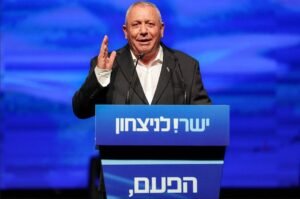
The vote was also supported by Arab-led political parties, whose combined parliamentary strength helped secure Kahana’s victory.
Netanyahu’s Likud party criticised the outcome, accusing the opposition of securing the position with the support of what it described as supporters of terrorism. The accusation reflected the continuing political divisions surrounding the role of Arab parties in Israeli politics.
The leadership change comes as Eisenkot attempts to assemble a coalition government capable of replacing Netanyahu.
Israeli President Isaac Herzog had tasked the former military chief with forming a government after the inconclusive October election. However, his bloc still faces considerable challenges in securing the necessary support to govern.
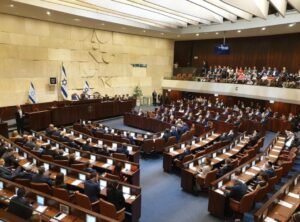
Netanyahu’s alliance currently holds 53 seats in the 120-member Knesset, while Eisenkot’s political bloc controls 48 seats. Arab-led parties hold another 19 seats, giving the opposition camp a potential parliamentary advantage.
Eisenkot has up to five weeks to negotiate alliances and establish a governing coalition. If he fails, the opportunity could return to Netanyahu or eventually lead to another election.
Although Kahana’s election does not immediately remove Netanyahu from office, it weakens the outgoing prime minister’s influence over parliamentary affairs and gives his opponents an opportunity to pursue legislative changes while coalition negotiations continue.
The development marks another major chapter in Israel’s prolonged political struggle, with the country’s leadership, judicial system and accountability over the October 7 attacks remaining central issues in the battle for power.