
World News
Mullin Raises Alarm Over Iranian Cyber Threats to US Critical Services

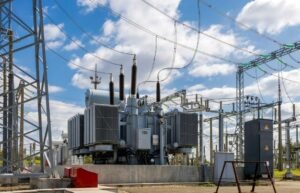
The United States has accused Iranian government-linked cyber actors and pro-Tehran criminal groups of increasingly targeting critical American infrastructure, including transportation, healthcare, water, energy and financial services.
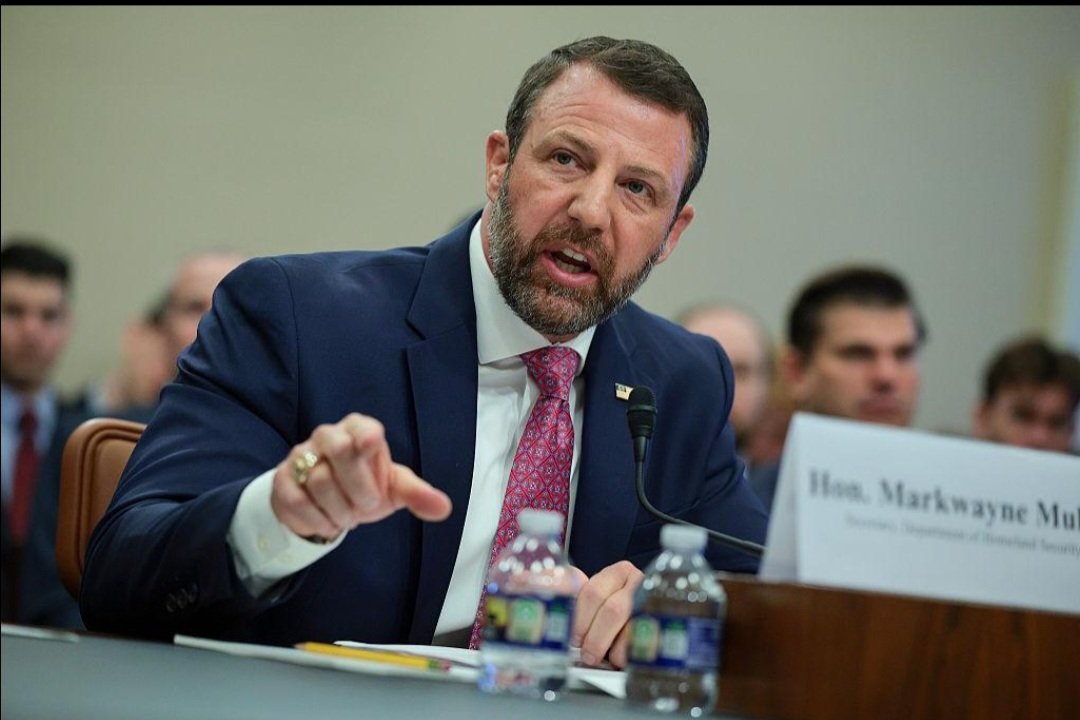
US Homeland Security Secretary Markwayne Mullin disclosed this in written testimony submitted ahead of Wednesday’s congressional hearing on worldwide threats to the United States.
According to Mullin, Iranian government cyber operatives and cybercriminals aligned with Tehran have targeted American infrastructure networks since the conflict with Iran began in February 2026.
“Since February, Iranian activity has increasingly targeted the transportation, healthcare, water, energy, and financial services sectors,” he said in his prepared remarks.
He warned that although previous Iranian-linked cyber operations had generally caused localised and relatively limited disruptions, weaknesses in critical infrastructure systems could expose the country to more serious consequences.
The warning comes amid growing concerns over the vulnerability of essential American services to foreign cyberattacks, particularly as tensions between Washington and Tehran continue.
Mullin’s testimony also highlighted the broader threat posed by cyber actors affiliated with other countries, including China, Russia and North Korea, as well as independent criminal groups exploiting weaknesses in digital networks.
However, the secretary did not specifically link Iran to the recent widespread technology outages affecting parts of the United States, including disruptions to email services, banking systems and the nationwide grounding of aircraft.
During Wednesday’s hearing before the House Committee on Homeland Security, Mullin and other senior security officials sought to address concerns surrounding the disruptions.
Director of National Intelligence Jay Clayton said the recent incidents were separate service outages associated with maintenance and technical changes, adding that there was no evidence they were coordinated or state-sponsored attacks.
Mullin also expressed confidence that America’s adversaries were not responsible for the recent disruptions.
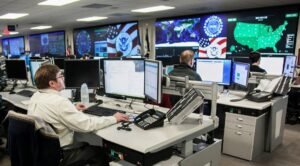
The hearing, titled “Worldwide Threats to the Homeland: 25 Years After 9/11”, brought together senior officials to examine the evolving security challenges facing the United States.
Other witnesses included FBI Deputy Director Christopher Raia and National Intelligence Director Jay Clayton.
The testimony comes as Washington continues to monitor Iranian cyber capabilities and their potential implications for national security, particularly in sectors that support everyday life and economic activity.

In July, the US Cybersecurity and Infrastructure Security Agency, the FBI and other federal partners issued an updated warning about Iranian-affiliated hackers targeting programmable logic controllers used in critical infrastructure systems.
The advisory identified activity involving water and wastewater facilities, energy infrastructure and government services, raising concerns about the possibility of cyber intrusions affecting operational technology and essential services.
US authorities have urged infrastructure operators to strengthen their cybersecurity protections, restrict unauthorised access to industrial control systems and remain vigilant against suspicious network activity.
The latest warning underscores the growing importance of cybersecurity in national defence as governments increasingly confront threats targeting not only military networks but also the essential systems on which civilians and businesses depend.