
International
US Lawmakers Demand Answers as Fury Grows Over Jensen Huang’s Return to Nvidia

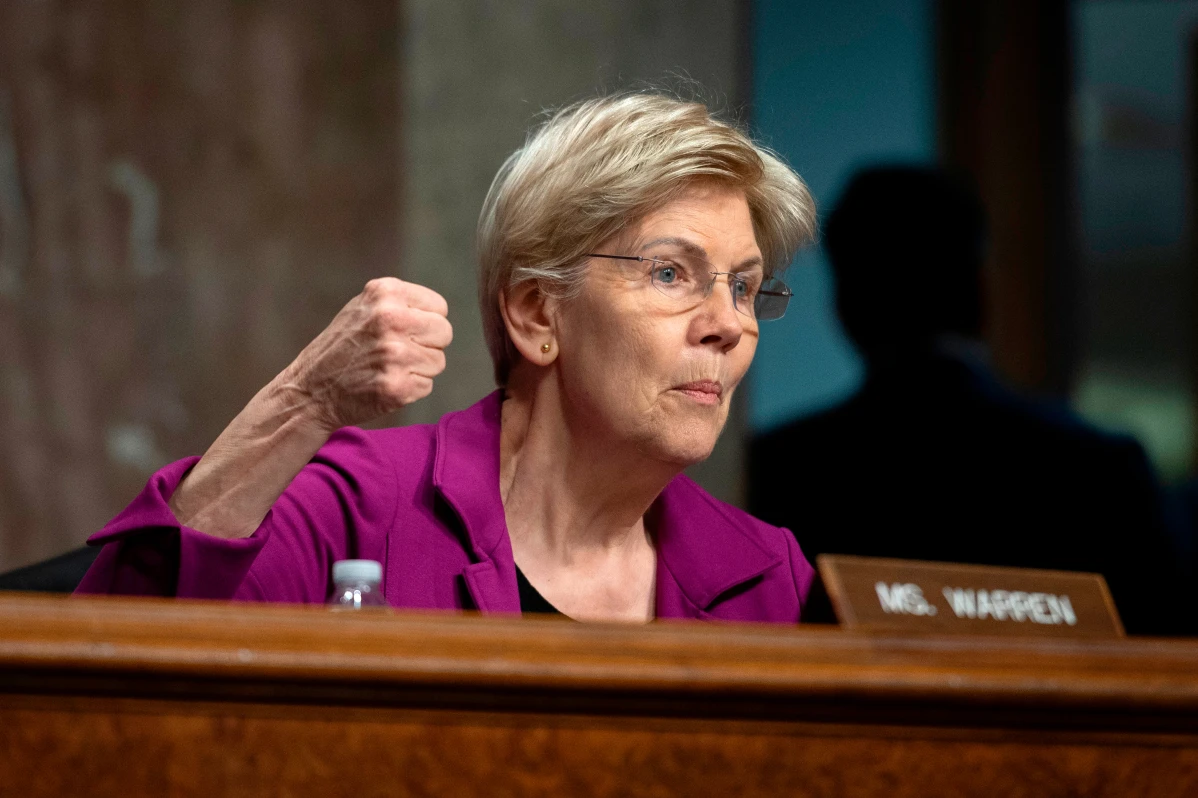
Members of the United States Congress have expressed bipartisan anger over the reinstatement of Nvidia chief executive Jensen Huang, insisting that planned congressional hearings and investigations into the technology company will proceed despite his return to the top position.
The controversy intensified on Monday, November 23, following Nvidia’s decision to restore Huang as president and CEO, less than two weeks after his departure amid questions surrounding his personal relationships and the company’s dealings involving China.
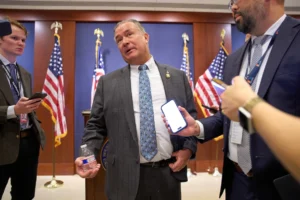
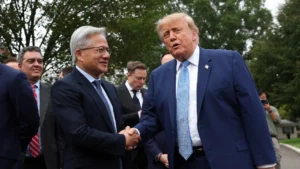
President Donald Trump has acknowledged intervening in the company’s leadership decision, saying he persuaded Nvidia’s board to bring Huang back.
The development has prompted lawmakers from both parties to demand explanations about the administration’s involvement, Nvidia’s compliance with American export restrictions and the possible diversion of advanced artificial intelligence chips to China.
Senate Banking Committee Chairman Tim Scott announced that Huang would testify publicly before the committee on December 3, while three House committees are preparing to question him during a closed-door interview scheduled for December 1.
The House committees involved include the Intelligence Committee, the Foreign Affairs Committee and the Select Committee on the Chinese Communist Party.
Nvidia’s general counsel, Tim Teter, is also expected to appear before the House committees on December 2.
Democratic Senator Elizabeth Warren, who is expected to become chair of the Senate Banking Committee in January, described Huang’s reinstatement as reckless, arguing that the company’s board still owes Congress explanations about its compliance with US export controls.
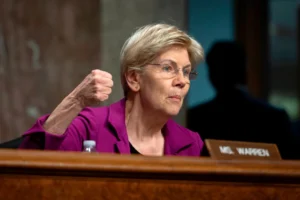
She maintained that Huang’s return increases the urgency of passing stronger bipartisan legislation to prevent advanced American technology from reaching restricted Chinese entities.
Republican Senator Tom Cotton, chairman of the Senate Intelligence Committee, also insisted that the controversy remained unresolved, calling for Congress to advance the proposed Chip Security Act.
The legislation would require chip manufacturers to track the location of advanced artificial intelligence processors and notify the government if they suspect that restricted technology has reached prohibited users.
Other Republican lawmakers, including Senators John Cornyn and John Curtis, questioned the basis on which Nvidia’s board concluded that Huang’s reinstatement posed no national security risk.
Curtis particularly questioned what had changed between the board’s earlier position against reinstating Huang and its subsequent decision to restore him.
Meanwhile, Democratic Representative Robert Garcia argued that Trump’s direct involvement in Nvidia’s corporate leadership decision raised serious national security and corruption concerns that required investigation.
House Minority Leader Hakeem Jeffries also called for a comprehensive investigation into the circumstances surrounding the reinstatement and the administration’s handling of the controversy.
At the centre of the congressional scrutiny are concerns that advanced Nvidia chips may have reached Chinese companies through unauthorised channels, potentially undermining American restrictions designed to prevent Beijing from accessing sensitive artificial intelligence technology.
Lawmakers have also raised questions about Megaspeed, a data-centre company whose chief executive, Alice Huang, has been accused by US intelligence officials of having links to Chinese intelligence. Alice Huang is not related to Jensen Huang.
Jensen Huang previously acknowledged a relationship with the businesswoman, while the company’s dealings have attracted scrutiny over allegations that restricted Nvidia chips were diverted to China.
The allegations have not established that Jensen Huang personally participated in espionage or knowingly violated export-control laws.
Trump has defended his intervention, arguing that Nvidia’s leadership is important to America’s competitiveness in artificial intelligence and that losing Huang would have damaged the country’s position in the global technology race.
Nvidia’s board has maintained that it received input from senior US government officials before concluding that Huang’s return did not pose a national security risk.
However, lawmakers insist that the board’s decision does not remove the need for independent congressional scrutiny.
The controversy is also expected to feature prominently in investigations planned by Democrats when they assume control of several congressional committees in January 2027.
Beyond Huang’s personal circumstances, the dispute has renewed debate over the balance between protecting American technological leadership, regulating exports to China and preventing political influence from shaping decisions involving major private corporations.
With congressional appearances approaching, Nvidia and the Trump administration are expected to face further questions over export controls, national security assessments and the circumstances surrounding Huang’s reinstatement.