
International
Mistakenly Deported Salvadoran Kilmar Ábrego García Arrives in Spain After Lengthy US Legal Battle

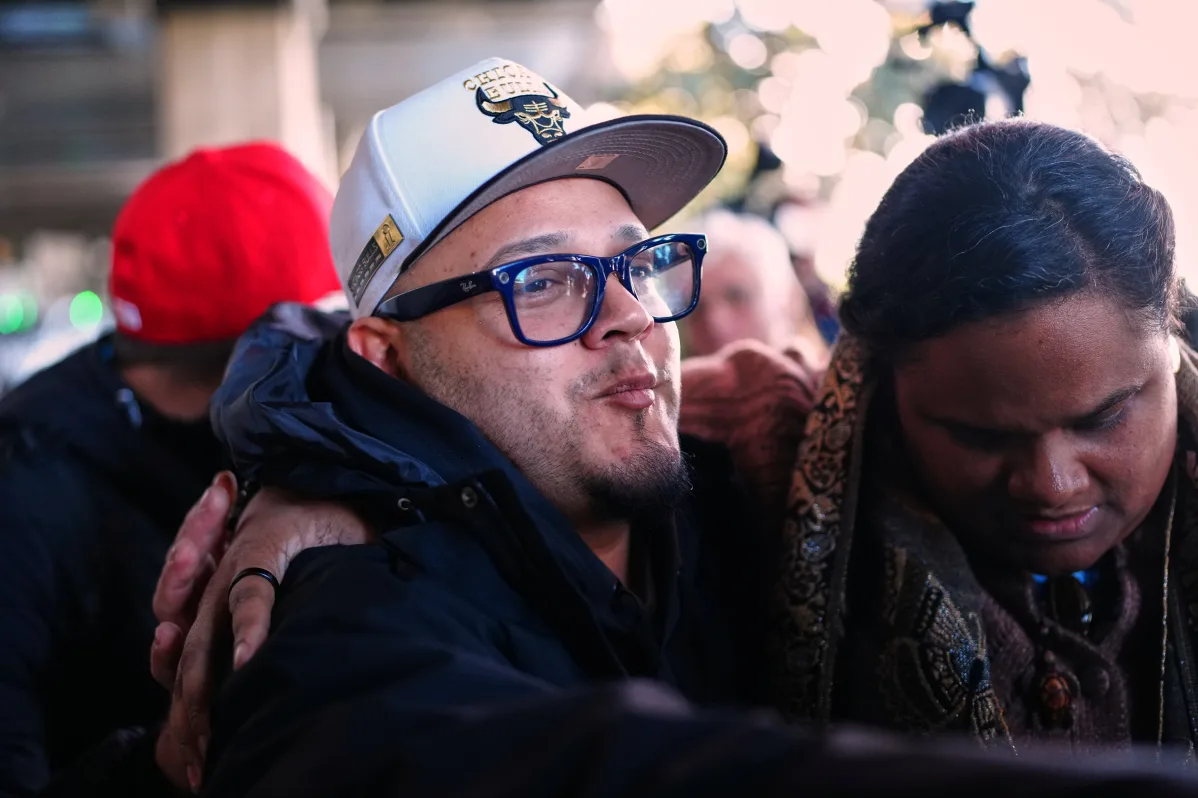
Salvadoran national Kilmar Ábrego García arrived in Madrid, Spain, on Wednesday, November 25, after voluntarily leaving the United States, bringing a significant new development to a prolonged immigration dispute that became a major test of the Trump administration’s deportation policy.
Ábrego García arrived at Adolfo Suárez Madrid-Barajas Airport aboard a United Airlines flight from Washington Dulles International Airport, which landed at approximately 10:59 a.m. local time, according to Spanish news agency EFE.

His arrival followed months of legal proceedings over his attempted removal from the United States and the administration’s efforts to deport him to countries in Africa. His lawyer, Chris Newman, told EFE that Ábrego García could enter Spain as a tourist using his passport, although the duration and conditions of his stay had not been clarified.
Newman also said Spain would be the first stop on an international speaking tour during which Ábrego García intends to share his experience with the Trump administration.
The 31-year-old became a prominent figure in the US immigration debate after he was arrested in Baltimore, Maryland, in March 2025 and deported to El Salvador, despite a 2019 immigration court ruling that barred his removal to the country because of fears he could face persecution there.

The US government later acknowledged that his deportation resulted from an administrative error. He was held at El Salvador’s high-security Terrorism Confinement Centre, known as CECOT, before being returned to the United States in June 2025 following public pressure and a court order.
After his return, the Trump administration pursued a human-smuggling case against him in Tennessee. A federal judge dismissed the case in May 2026, finding that the prosecution had been brought to punish him for challenging his deportation. The government has appealed the ruling.

US immigration authorities subsequently sought to deport Ábrego García to a third country, with Uganda, Eswatini, Ghana and Liberia among the destinations considered. He had argued that, if removed, he should be sent to Costa Rica, which had previously agreed to receive him.
The dispute took another turn when a judge directed him to leave the United States by Tuesday, November 24. His departure to Spain followed that directive.
The Department of Homeland Security said Ábrego García had self-deported under a removal order, adding that he paid for his own flight and received no incentives. The department also declared that he would not be allowed to return to the United States.

Homeland Security Secretary Markwayne Mullin welcomed his departure and repeated allegations that Ábrego García was linked to a gang. Ábrego García has consistently denied being a gang member.
His legal team, however, portrayed the departure differently. One of his attorneys, Sean Hecker, described it as a decision made on Ábrego García’s own terms after a prolonged legal fight.
Maryland Senator Chris Van Hollen, who had previously met him while campaigning for his release from the Salvadoran prison, also described him as a free man travelling to a country of his choice.
Ábrego García has a US citizen wife and child and had lived in Maryland for years before his deportation. His arrival in Spain may mark a new chapter in a case that drew international attention to questions surrounding immigration enforcement, due process and the treatment of people facing removal from the United States.