
Opinion
Abuja Master Plan: Gradual Destruction and the Environmental Consequences

By AVM (Rtd) Akugbe Iyamu, MNSA, fsi
President, Association of Environmental Protection and Climate Change Practitioners
Consultant on Climate Change and Environmental Policy Analyst
The concept of a master plan is globally recognized as a comprehensive, long-term framework designed to guide growth, development, and sustainability. It serves as a blueprint that aligns present-day actions with future goals while ensuring that infrastructure, environmental resources, and human activities function in harmony.
In urban development, a master plan determines the physical layout of a city, establishes zoning regulations, guides infrastructure development, and protects environmentally sensitive areas. It is intended to ensure orderly growth while preserving the natural systems that support human life.
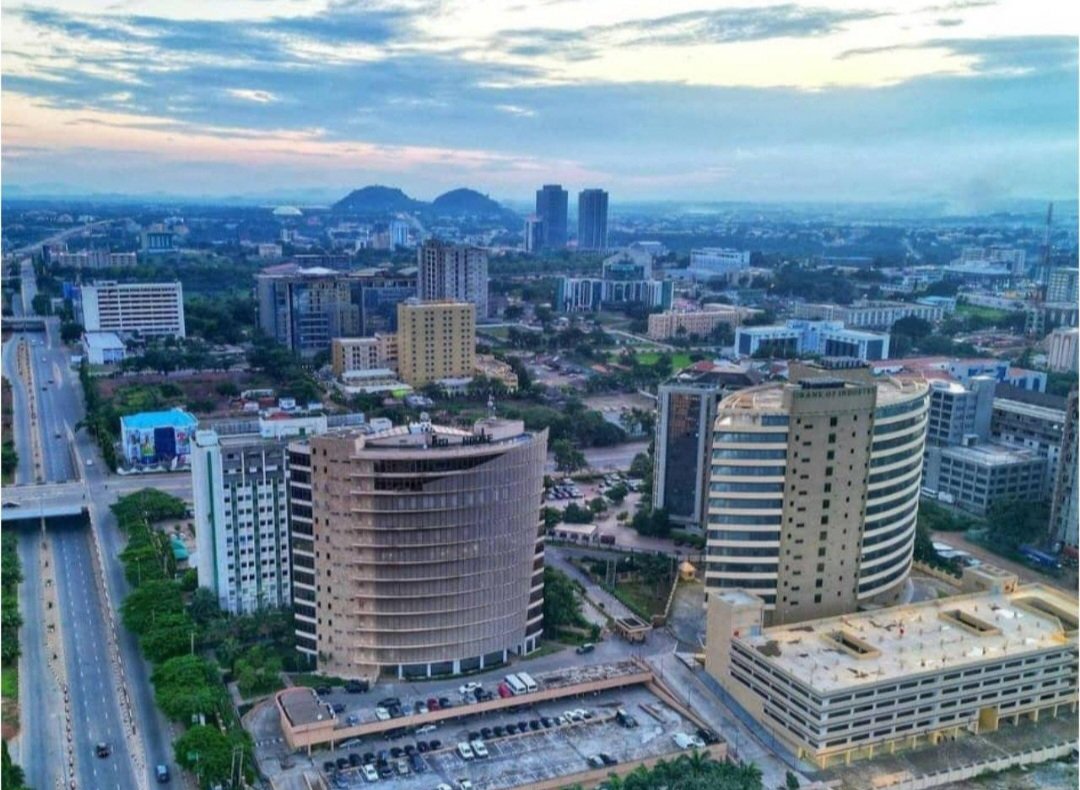
The Abuja Master Plan, developed in 1979 by International Planning Associates (IPA), was conceived as a model for modern urban planning. Designed around the “Garden City” concept, the plan envisioned a capital city characterized by extensive green spaces, organized residential and commercial districts, ecological balance, and carefully phased development.
The city was divided into five development phases, with Phase One and Phase Two accommodating major districts such as Maitama, Asokoro, Wuse, and Garki, while subsequent phases were intended to accommodate future expansion in a controlled manner.
One of the most remarkable features of the Abuja Master Plan was its commitment to environmental sustainability. Between 33 and 42 percent of the city’s land was reserved for parks, green areas, open spaces, and ecological buffers. These green zones were not mere aesthetic additions; they were essential environmental infrastructure designed to regulate temperature, support biodiversity, manage stormwater, and improve the quality of life for residents.
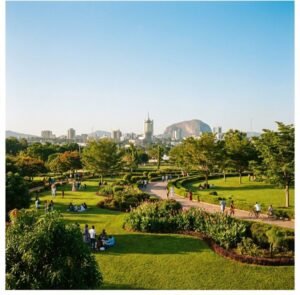
Today, however, that vision is steadily being eroded.
Years of unauthorized development, indiscriminate rezoning, and the conversion of designated green areas into residential and commercial estates have dramatically reduced these protected spaces. Environmental experts estimate that green areas have declined to less than 18 percent of the city’s land area, significantly undermining Abuja’s environmental resilience.
The consequences are becoming increasingly evident.
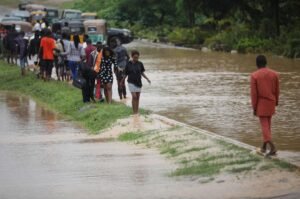
Across the Federal Capital Territory, natural waterways, drainage channels, and road medians are being encroached upon by developments that obstruct the natural flow of water. As a result, areas that historically experienced little or no flooding are now witnessing recurrent flash floods and severe soil erosion during heavy rainfall.
The ongoing destruction of vegetation cover has also altered local microclimates. Unchecked deforestation to make way for estates, roads, and commercial structures has contributed to rising urban temperatures, intensified dust storms, and increasingly unpredictable wind patterns.
The environmental challenges witnessed during the 2026 rainy season have further exposed the extent of the damage. Unpredictable rainfall patterns have triggered flooding in several parts of Abuja, revealing vulnerabilities created by years of disregard for the city’s original planning framework.
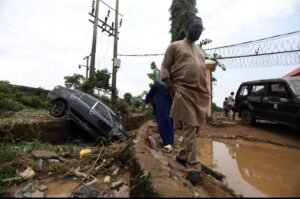
Neighbourhoods such as Jahi, Utako, Asokoro, and Apo have experienced recurrent flooding linked to blocked drainage systems and developments erected in natural waterways and designated green areas. These incidents have caused significant economic losses, damaged infrastructure, and disrupted the lives of residents.
Equally troubling is the growing threat to critical environmental assets such as Jabi Lake. Environmental advocates and urban planning experts have repeatedly warned against encroachments around the lake and other sensitive ecosystems, stressing that interference with these natural assets could result in severe flooding, water pollution, and irreversible ecological degradation.
The destruction extends beyond flooding risks. Fragmentation of the urban landscape has contributed to the pollution of water bodies, reduced biodiversity, and diminished public recreational spaces that were originally intended to enhance the wellbeing of residents.
Another pressing concern is the deterioration of sanitation infrastructure. Blocked sewage systems and inadequate waste management have increased the risk of localized contamination and disease outbreaks. Health experts have linked poor environmental conditions to rising cases of respiratory illnesses and waterborne diseases, posing additional challenges to public health.
Perhaps most alarming is the gradual loss of Abuja’s identity as a Garden City. The widespread conversion of public parks, green buffers, and institutional lands into commercial and residential developments continues to shrink the city’s ecological footprint while increasing pressure on already strained infrastructure.
If these trends persist, Abuja risks losing the very characteristics that made it a globally admired example of modern city planning.
The need for action has never been more urgent. Preserving Abuja’s environmental infrastructure requires strict enforcement of planning regulations, protection of green spaces, restoration of degraded ecosystems, and a renewed commitment to the principles that guided the original Master Plan.
The future of Nigeria’s capital depends not only on development but on sustainable development. Abuja’s growth must be balanced with environmental stewardship to ensure that future generations inherit a city that remains livable, resilient, and worthy of its original vision.
The time to act is now.