
Analysis
Adeyemi Identifies Trust, Stakeholder Engagement as Keys to Successful Public Sector Reforms

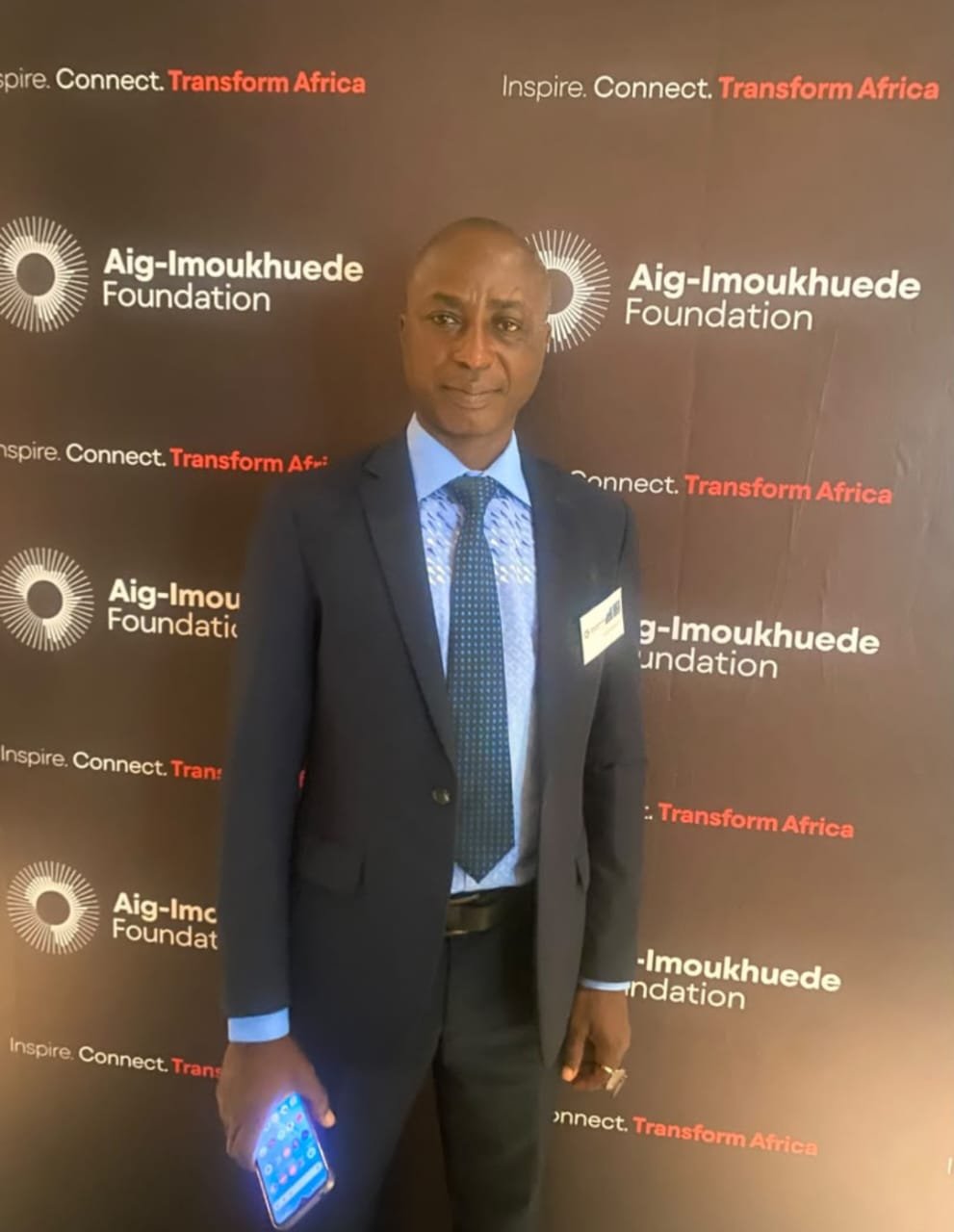
Dr Adewunmi Ade Adeyemi, Deputy Director of Forestry at the Ministry of Agriculture and Food Systems, has stressed the need for trust, stakeholder engagement and institutional ownership to ensure that public sector reforms translate into improved service delivery.
Adeyemi, in a practitioner’s reflection on institutional transformation, said the adoption of policies and the creation of new structures do not automatically resolve the problems they are designed to address.
He argued that the real challenge lies in implementation, where established bureaucratic processes, competing interests and the concerns of public servants can determine whether reforms achieve their intended objectives.
His reflection draws on the theme of the Aig-Imoukhuede Foundation’s Public Sector Convening, “Unblocking Reform: From Design to Delivery,” which highlights the difficulty of converting policy decisions into practical results.
According to Adeyemi, effective reform requires more than technically sound proposals. It also depends on how institutions communicate change, respond to feedback and build cooperation among the people responsible for implementation.
Public Servants Must Be Part of the Process
Adeyemi said resistance to institutional change should not always be interpreted as unwillingness to embrace reform, noting that objections can expose legitimate concerns and weaknesses in the original design.
He explained that public servants may worry about changes to their responsibilities, the relevance of their expertise or the possibility that new structures could create additional administrative burdens.

Such concerns, he said, provide reform leaders with opportunities to identify potential implementation problems and improve proposed solutions.
“I have learned to see pushback as feedback,” Adeyemi said, emphasising that leaders must listen carefully while distinguishing between legitimate concerns, misunderstandings and interests that require management.
He also warned that pursuing rapid results without adequate consultation could create avoidable tension and undermine confidence in reform initiatives.
Adeyemi maintained that clear communication about the purpose, expected outcomes and implications of proposed changes should begin at the design stage rather than after decisions have been taken.
Trust and Ownership Beyond Individual Leaders
The forestry official described trust as essential to sustainable reform, arguing that implementation becomes more difficult when stakeholders suspect that changes are intended to redistribute influence or resources rather than improve public services.
He said reform leaders must demonstrate openness, consistency and respect, including a willingness to explain decisions and consider feedback even when every recommendation cannot be accepted.

Adeyemi further cautioned against associating reforms too closely with individual champions, saying such an approach could make institutional change appear to be a personal ambition instead of a shared public service responsibility.
He argued that reforms should remain focused on the public problems they seek to solve and the benefits they are expected to deliver to citizens.
According to him, political and administrative leaders, technical experts and public servants must work together to ensure that reforms reflect both policy objectives and the realities of implementation.
Those directly involved in executing government policies, he added, often possess practical knowledge that can help identify operational challenges and prevent avoidable failures.
Foundation’s Convening Offers Platform for Peer Learning
Adeyemi also highlighted the importance of professional platforms that enable public servants to exchange experiences and learn from reform initiatives across institutions.
He noted that bureaucratic inertia, fragmented responsibilities, inadequate resources and resistance to change remain common challenges for public sector practitioners in Nigeria.
He said reform-focused convenings facilitated by the Aig-Imoukhuede Foundation provide opportunities to examine successful interventions alongside the setbacks, compromises and unintended consequences encountered during implementation.
Such exchanges, he argued, can help practitioners develop more practical strategies for overcoming institutional barriers and sustaining change.
Reform Leadership Requires Stewardship
Reflecting on his experience, Adeyemi said he increasingly views the role of a reform leader as one of stewardship rather than simply driving change.
He explained that reform stewards are responsible for building trust, connecting institutions, protecting the public interest and adjusting implementation strategies when necessary.
Under this approach, he said, the measure of success is the lasting improvement achieved by institutions, rather than the recognition received by individual leaders.
Adeyemi cited climate change, population growth, pressure on land and environmental challenges in Lagos as examples of emerging issues that require government institutions to assess whether existing arrangements remain effective.
He maintained that reforms become necessary when established systems can no longer adequately address changing public needs, but stressed that every proposed change must be supported by a credible pathway to better outcomes.
Citizen Outcomes Should Define Success
Adeyemi said the journey from policy design to delivery requires continuous learning, consultation and adjustment without losing sight of the problem that prompted the reform.
He noted that policy approvals, new regulations and organisational restructuring are milestones, not conclusive evidence of success.
Instead, he argued that reforms should be judged by whether they make government more efficient, coordinated and responsive to citizens.
He added that sustainable transformation requires sound policies, capable institutions and committed leadership, supported by transparency, patience and collaboration.
Adeyemi concluded that unblocking reform does not mean eliminating disagreements but creating sufficient trust and shared purpose for stakeholders to resolve differences constructively.
He said treating stakeholders as partners, incorporating their feedback and building institutional ownership would help bridge the gap between reform design and delivery, ultimately strengthening public service outcomes.