
Sports
Colombia Condemns Death Threats Against World Cup Star After Switzerland Defeat

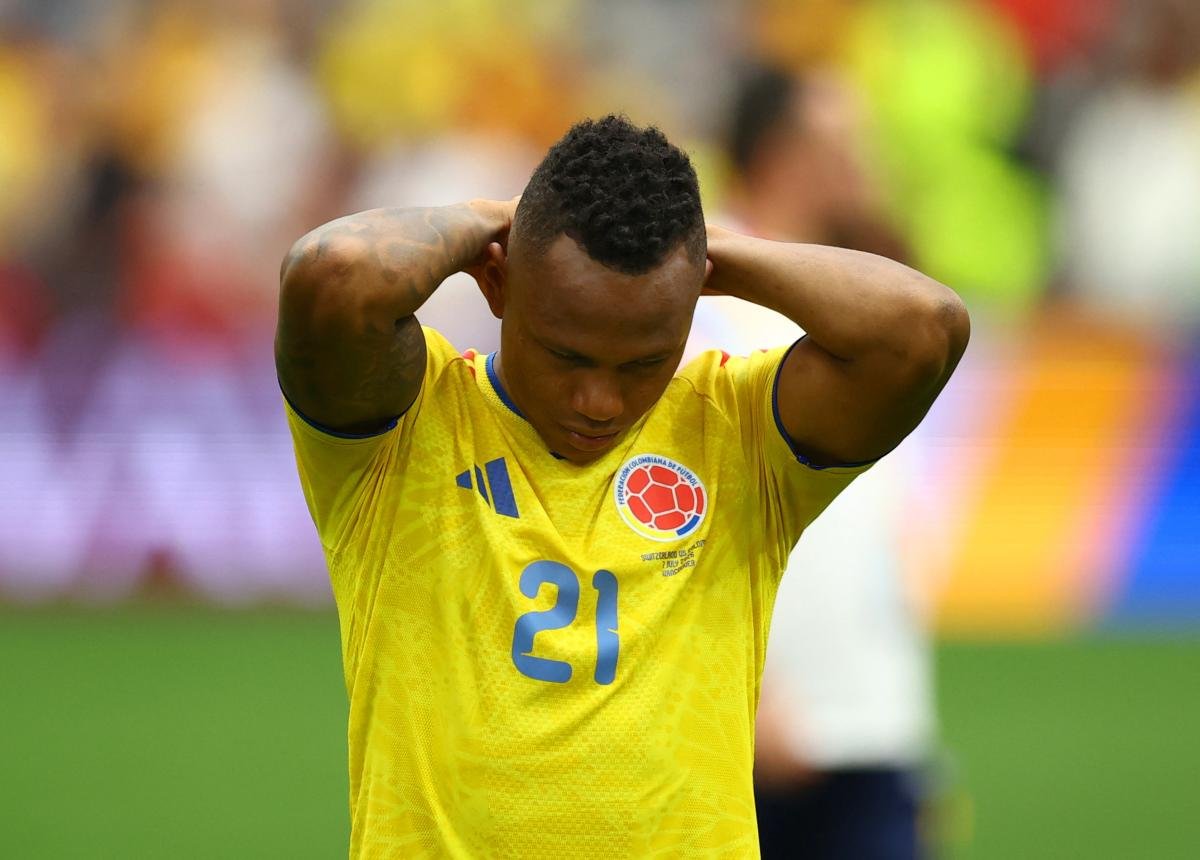
Colombian international Jáminton Campaz has reportedly gone into hiding after receiving death threats following his nation’s elimination from the 2026 FIFA World Cup, reigniting painful memories of one of the darkest chapters in Colombian football history. The 26-year-old winger became the target of online abuse after missing a crucial scoring opportunity during Colombia’s Round of 16 clash against Switzerland, a match the South Americans eventually lost 4-3 in a penalty shootout after a goalless draw.
Campaz missed a golden chance in extra time that could have sent Colombia into the quarter-finals. Although he later converted his penalty in the shootout, Switzerland prevailed to end Colombia’s World Cup campaign. The miss quickly sparked a wave of abuse on social media, with some users issuing threats against both the player and his family.

According to multiple reports, Campaz did not travel back to Colombia with the rest of the national team after the tournament. Instead, he is believed to have remained in a secure location, with some reports suggesting he may have returned to Argentina, where he plays club football for Rosario Central, although his exact whereabouts have not been disclosed for security reasons.

In an emotional message shared on Instagram, Campaz appealed for calm and respect, expressing sorrow over Colombia’s elimination while urging supporters not to allow football to become a source of hatred or violence. He thanked fans who stood by the team throughout the tournament and said representing Colombia remained one of the greatest honours of his career.

The Colombian Football Federation strongly condemned the threats directed at Campaz and his family, describing them as unacceptable and calling on law enforcement agencies to identify and prosecute those responsible. The federation stressed that football should unite people rather than fuel intimidation and violence against players.

The incident has drawn comparisons with the tragic death of Colombian defender Andrés Escobar, who was murdered in 1994 after scoring an own goal during Colombia’s World Cup campaign in the United States. While there is no indication that the current threats have progressed beyond online intimidation, the historical parallel has heightened concerns for Campaz’s safety and prompted calls for stronger protection for players facing abuse.
Football authorities, former players and fans around the world have rallied behind Campaz, condemning the abuse and reminding supporters that mistakes are an inevitable part of sport. Analysts say the episode also highlights the growing problem of online harassment directed at professional athletes, particularly during major international tournaments where emotions often run high.

Colombia’s World Cup campaign ended in disappointment despite several impressive performances during the tournament. Head coach Néstor Lorenzo acknowledged that his team created enough chances to advance but failed to convert them when it mattered most. As investigations into the threats continue, the focus has shifted from football to ensuring Campaz’s safety and holding those responsible for the intimidation accountable.