
Opinion
ENERGY CRISIS AND WORSENING POVERTY IN NIGERIA

By AVM (RTD) AKUGBE IYAMU MNSA fsi


The International Monetary Fund (IMF) projects that poverty in Nigeria will remain severe, estimating that 63% of the population lives below the national poverty line. While the IMF acknowledges that recent macroeconomic reforms may have built economic resilience, it warns that living conditions for households will remain difficult and food insecurity could worsen.
Since the 1973 Arab Israeli war, elevated fuel costs have drastically increase transportation and food distribution expenses, eroding the purchasing power of everyday Nigerians. For instance the current
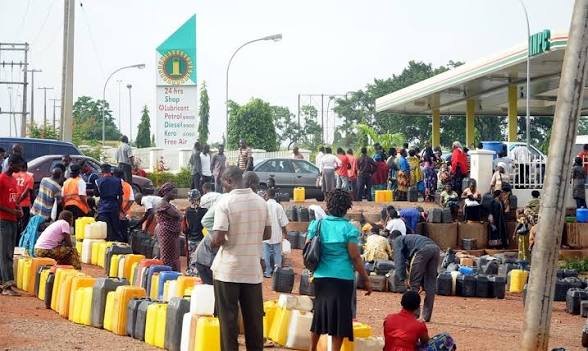
US-Iran conflict has created a dual-edged economic environment for Nigeria. While bringing a significant boost in foreign exchange and fiscal revenues due to surging oil prices, the surge in oil prices have simultaneously driven severe domestic inflation resulting in soaring living costs as the prices of refined petroleum products and imported goods skyrocket.
Im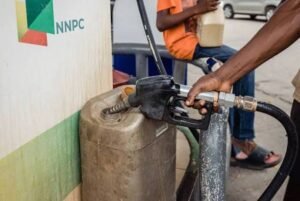 pact of the conflict on Nigeria’s economy may be highly polarized between macroeconomic gains and domestic hardships the type that has forced countries like the Philippines to declared a national energy emergency in light of the conflict and “the resulting imminent danger posed upon the availability and stability of the country’s energy supply. The effect of the rising oil prices, have exacerbated Nigeria’s energy crisis negatively impacting the energy markets across the world, including Nigeria, where daily lives and businesses are suffering due to a surge in the prices of oil.
The commencement of the war has caused decay gas shortages placing
Nigeria at the centre of the continent’s energy challenge, with over 85 million people lacking access to electricity, the largest electricity access deficit in the world. Even among those connected to the national grid, unreliable supply continues to undermine economic activity and quality of life.
The energy crisis in Nigeria can be linked to various factors such as funding problems, energy loss, inadequate budgetary provision, corruption, leadership crisis, poor maintenance and neglect of projects, lack of technical skills, infrastructural decay, gas shortages, electricity bills/tariff shortages, low energy.