
Climate Change
Erdogan Calls Gaza War ‘Ecocide’ at UN Climate Summit, Demands Greater Humanitarian Access

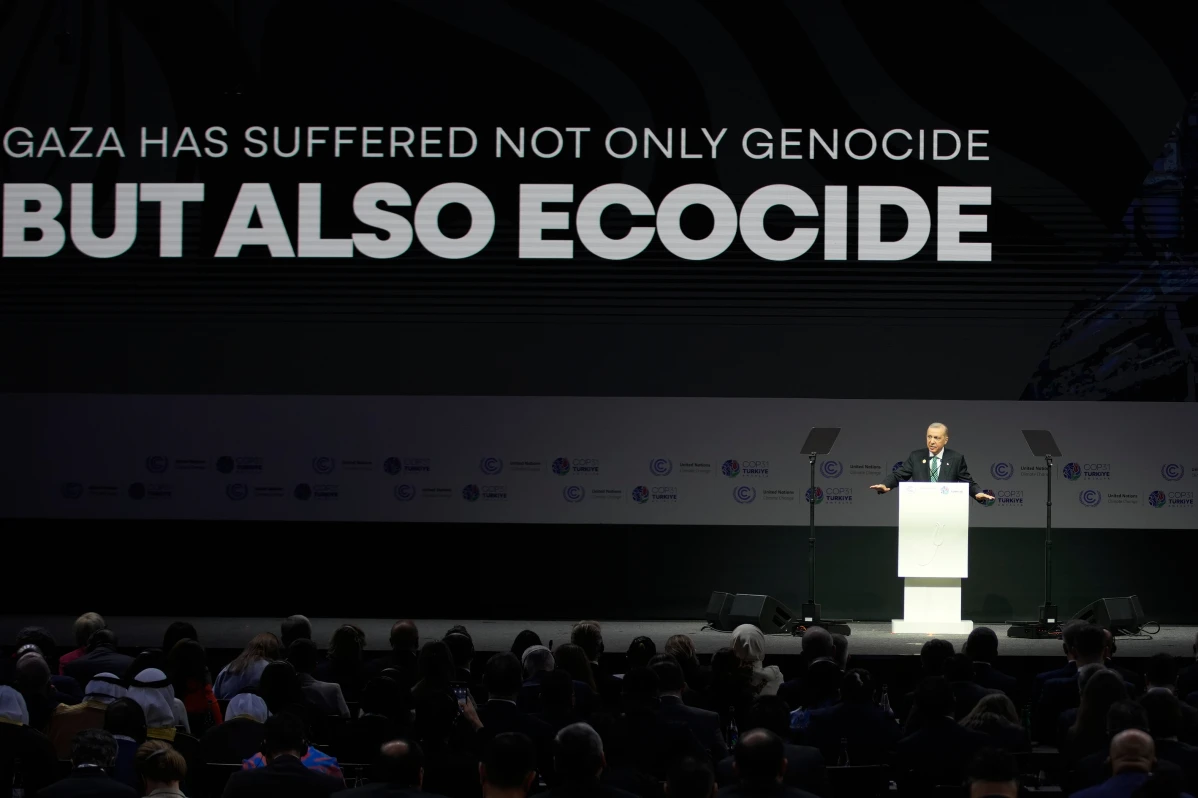
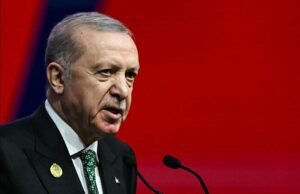
Turkish President Recep Tayyip Erdogan has described the destruction caused by Israel’s military offensive in Gaza as both genocide and “ecocide”, calling on the international community to recognise the environmental consequences of the conflict.
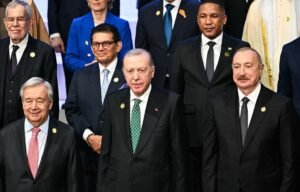
Erdogan made the remarks on Wednesday, November 11, while addressing world leaders and climate envoys at the 31st United Nations Climate Change Conference (COP31) in Antalya, southern Turkey.
“What has taken place in Gaza is not only a genocide, but it is also an ecocide,” Erdogan said, drawing applause from participants at the summit.
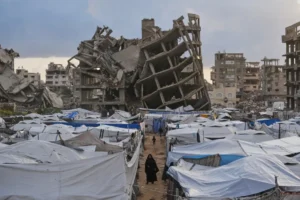
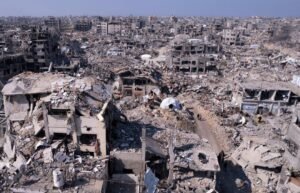
The Turkish leader highlighted the destruction of centuries-old olive trees, contamination of soil and water resources, and the widespread devastation of cities and essential infrastructure across the Palestinian territory.
He also drew attention to the worsening conditions facing displaced Palestinians following heavy rainfall and flooding, which have inundated thousands of makeshift tents and shelters.
Erdogan called on Israel to allow greater humanitarian access into Gaza, insisting that aid supplies must reach civilians struggling to survive amid the destruction.
He said the international community could not ignore the suffering of Palestinians, particularly children and other vulnerable people facing harsh living conditions without adequate shelter, food and clean water.
Israel responded sharply to the Turkish president’s remarks, accusing him of using an international climate gathering to advance what it described as an anti-Israel campaign.
In a statement published on social media, Israel’s Foreign Ministry accused Erdogan of spreading false claims and defending Hamas, arguing that the militant group was responsible for the devastation in Gaza.
Israel also maintained that Hamas triggered the war with its October 7, 2023, attacks on southern Israel, during which approximately 1,200 people were killed and 251 others taken hostage.
Israel launched its military campaign in Gaza following the attacks. The offensive has killed more than 74,000 Palestinians, according to Gaza health authorities, and destroyed large parts of the territory.
Beyond the loss of lives, the conflict has caused extensive environmental damage, raising concerns about the long-term consequences for public health, agriculture, water supplies and livelihoods.
A 2025 assessment by the United Nations Environment Programme documented extensive damage to Gaza’s natural environment, including more than 97 per cent of tree crops and 82 per cent of annual crops affected by May 2025.
The destruction has also severely affected water treatment, sewage disposal, waste management and fishing infrastructure.
Environmental experts have warned that contamination from munitions, sewage and solid waste could expose residents to serious health risks long after the fighting ends.
The executive director of Greenpeace Middle East and North Africa, Ghiwa Nakat, warned that the environmental consequences could undermine public health, food security and the ability of communities to recover for generations.
Erdogan’s remarks came as world leaders gathered in Antalya for COP31, where discussions have focused on global warming, climate financing, emissions reduction and environmental protection.
The Turkish president also urged developed countries to take greater responsibility for climate change, arguing that nations with a history of high emissions should provide more financial and technological support to developing countries.
He called for climate financing to become more accessible and predictable, particularly for poorer countries and vulnerable island nations.
The intervention has brought renewed attention to the relationship between armed conflict and environmental destruction, with the Gaza crisis emerging as a major political issue at an international gathering primarily focused on climate change.