
Climate Change
Greenland Climate Change: New Project Preserves Memories of Disappearing Ice and Traditions

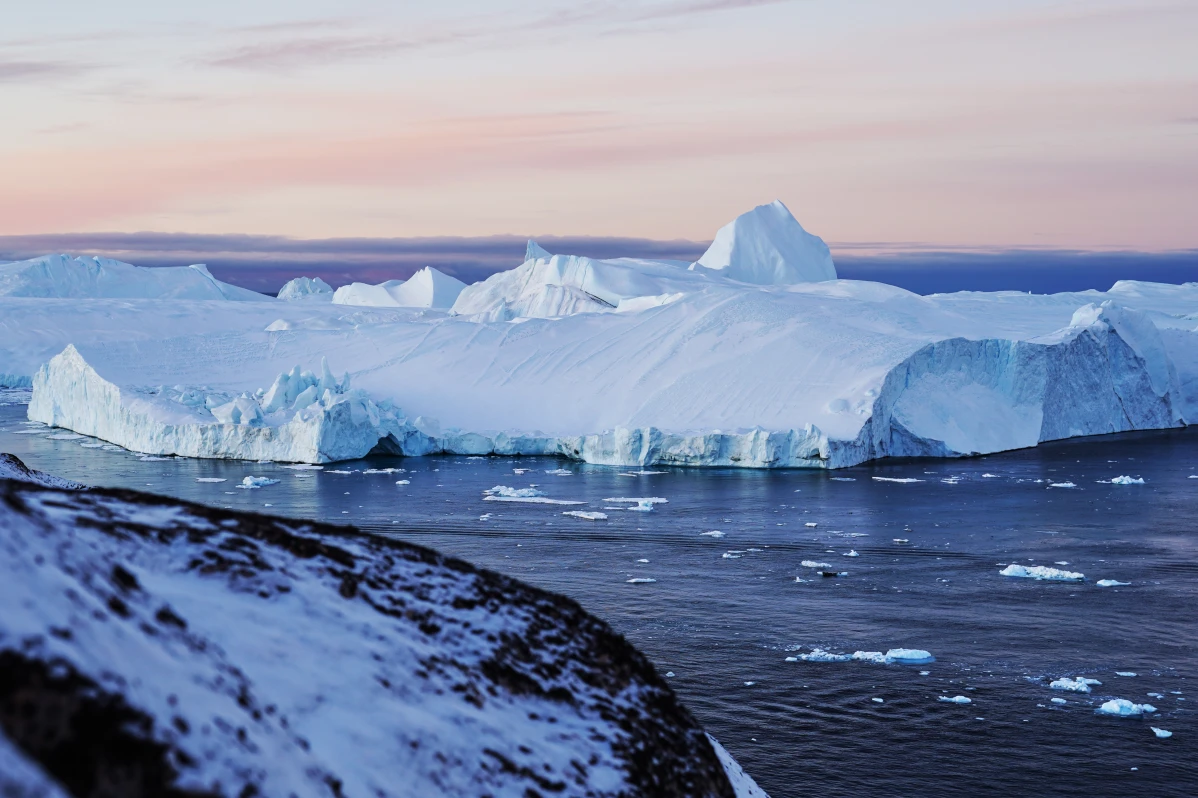
A new research project is documenting the personal experiences of Greenland residents as climate change rapidly transforms the Arctic island’s landscape, threatens traditional livelihoods and alters ways of life that have existed for generations.
The initiative, known as Mapping Memories, is led by Sweden-based research institute Nordregio and seeks to preserve the stories of ordinary people who have witnessed significant environmental changes in their communities.
The project has so far collected nearly 60 personal accounts linked to specific locations across Greenland, documenting changes in the landscape, disappearing hunting routes, declining fishing opportunities and the growing impact of melting ice.
An exhibition connected to the initiative opened in September at the Icefjord Center in Ilulissat, a town on Greenland’s western coast.
One of the residents featured in the project is Cuno Jensen, a 42-year-old father of three who recalls growing up surrounded by enormous icebergs, heavier snowfall and frozen waterways that allowed children and adults to fish on the ice.
Jensen said the landscape has changed considerably since his childhood, expressing concern that his children may never experience the same frozen environment.
The changes are also affecting traditional occupations. Thinning sea ice has made it increasingly difficult for some hunters to travel using dog sleds, while fishermen are experiencing less predictable conditions and declining fish numbers in certain locations.
Fisherwoman Karen Alaufesen, who fishes for halibut with her husband and young son, is among those whose experiences have been documented.
Beyond affecting livelihoods, rising temperatures are creating physical challenges for communities. In Ilulissat, thawing permafrost is causing buildings to sink, while roads and underground pipes are developing cracks as the ground becomes unstable.
The changes are also exposing parts of Greenland’s ancient history. According to the project organisers, archaeological objects, including hunting tools believed to be approximately 4,000 years old, are emerging as ice melts.
Karl Sandgreen, director of the Icefjord Center, said documenting residents’ experiences was important because personal memories could disappear if they were not preserved.
He explained that the initiative was designed to complement scientific research by capturing how environmental changes are experienced by people living in affected communities.
Greenland’s environmental challenges reflect a wider crisis across the Arctic, which is warming approximately four times faster than the global average.
A September report by the Geological Survey of Denmark and Greenland found that the Greenland ice sheet had lost more ice than it gained for 30 consecutive years.
The ice sheet covers approximately 80 per cent of Greenland, and its continued melting contributes to rising global sea levels.
The nearby Sermeq Kujalleq glacier, one of the world’s fastest-moving glaciers, has also experienced significant retreat and increased ice loss, with consequences for sea-level rise beyond the Arctic region.
Researchers have warned that the scale of ice loss presents serious long-term challenges, even if the rate of melting eventually slows.
Organisers of Mapping Memories say they intend to expand the project through additional interviews, including with communities in neighbouring Canada, while developing an interactive map that will allow people to explore the stories geographically.
The initiative also hopes to encourage younger generations to understand the consequences of climate change and take greater interest in protecting the environment.
As Greenland’s ice, landscapes and traditional practices continue to change, the project is seeking to ensure that the experiences of those who have lived through the transformation are not lost alongside the environment they remember.