
General News
FG Vows to Crush Drug Cartels, Expand Treatment as Stakeholders Unveil National Action Against Substance Abuse

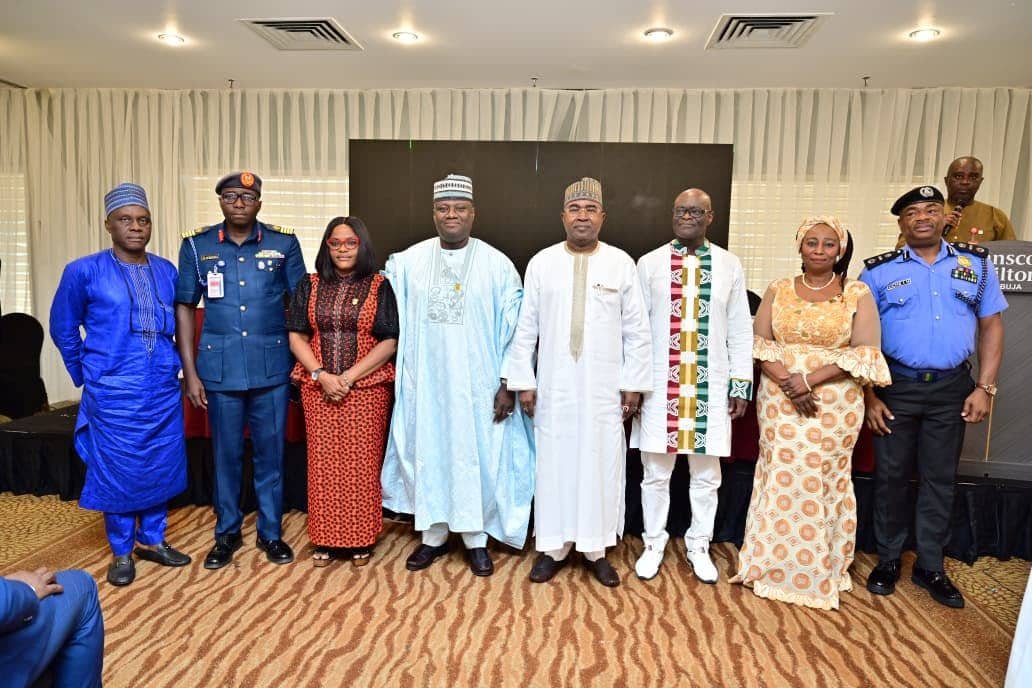
The Federal Government has reaffirmed its determination to combat illicit drug use and trafficking by dismantling drug cartels, expanding access to treatment and rehabilitation, and strengthening measures to safeguard the health and wellbeing of Nigerians.
Secretary to the Government of the Federation (SGF), Senator George Akume, gave the assurance on Wednesday while declaring open the National Drug Use Summit in Abuja, themed “Addressing Illicit Drug Use and Trafficking: A Call to National Action.”
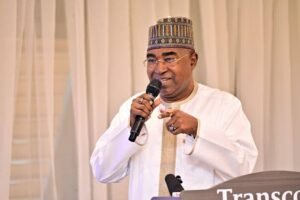
Represented by the Permanent Secretary, General Services Office, Dr. Adamu Ibrahim Kana, Akume said the President Bola Tinubu administration remains committed to supporting initiatives that tackle substance abuse and its far-reaching social and economic consequences.
“On behalf of the Federal Government of Nigeria and President Bola Ahmed Tinubu, I reaffirm our unwavering commitment to every initiative aimed at preventing illicit drug use, dismantling trafficking networks, expanding access to treatment and rehabilitation, and promoting the wellbeing of all Nigerians,” he said.
The summit, jointly organised by the National Drug Law Enforcement Agency (NDLEA), the Federal Ministry of Health and Social Welfare, and the United Nations Office on Drugs and Crime (UNODC), seeks to galvanise a coordinated national response to Nigeria’s growing drug problem.
Akume stressed that sustainable development cannot be achieved if young people continue to fall victim to substance abuse, warning that illicit drug trafficking also fuels criminality and weakens national institutions.
He said the summit offers stakeholders an opportunity to strengthen partnerships and chart a unified strategy towards building a healthier, safer and more resilient nation.
Under the Renewed Hope Agenda, he added, the Federal Government is investing in mental health services, youth empowerment and stronger institutions to address emerging social challenges.
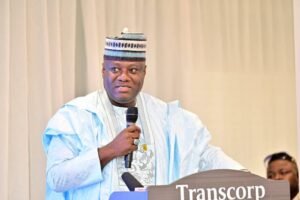
In his welcome address, Chairman and Chief Executive Officer of the NDLEA, Brig. Gen. Mohamed Buba Marwa (rtd), described the summit as a critical platform for developing a comprehensive National Action Plan against drug abuse and trafficking.
According to him, the complexity of Nigeria’s drug challenge requires a whole-of-government and whole-of-society approach involving government institutions, communities, families, civil society organisations, traditional and religious leaders, development partners, the media and the private sector.
Marwa noted that while the NDLEA has recorded significant gains in disrupting drug supply chains, no single institution can successfully address the challenge in isolation.
He disclosed that within the last 18 months, the agency arrested 29,262 suspected drug offenders, seized over 5.3 million kilograms of assorted illicit drugs valued at more than ₦1.5 trillion, and secured 5,225 convictions.
On the demand reduction front, Marwa said the agency conducted 6,645 awareness and sensitisation programmes nationwide under its War Against Drug Abuse (WADA) campaign, reaching nearly five million Nigerians in schools, markets, worship centres, workplaces, motor parks and correctional facilities.
He added that 13,508 drug users received counselling, treatment and rehabilitation across the agency’s 31 rehabilitation centres nationwide, while the Alternative Development Initiative continues to assist cannabis farmers in transitioning to legal and sustainable livelihoods.
Marwa expressed optimism that stronger collaboration among stakeholders would significantly reduce the burden of substance abuse and enhance national security and public health.
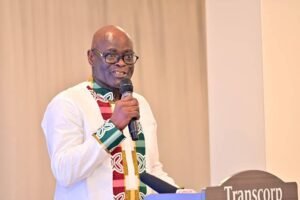
Minister of Health and Social Welfare, Prof. Ali Pate, urged participants to ensure the summit produces measurable outcomes rather than ending with resolutions alone.
“The measure of this summit will not be the communiqué. It will be the number of young people who choose not to start drugs, the number of patients who recover, and the number of families restored,” he said, pledging the ministry’s commitment to lead and coordinate the country’s health response to substance use disorders.
Also speaking, the Country Representative of the United Nations Office on Drugs and Crime (UNODC), Mr. Cheikh Toure, represented by Dr. Akanidomo Ibanga, described the summit as a demonstration of Nigeria’s resolve to confront evolving drug challenges through coordinated and evidence-based interventions.
He urged stakeholders to translate commitments under the National Drug Control Master Plan into practical and measurable actions, noting that the changing patterns of drug use require urgent and sustained collaboration.
The summit attracted representatives of federal ministries, departments and agencies, security services, the military, development partners, civil society organisations, non-governmental organisations and other key stakeholders committed to addressing illicit drug use and trafficking in Nigeria.