Power
Grid Collapse Fears as Power Generation Slumps to 3,180MW, DisCos Ration 2,885MW

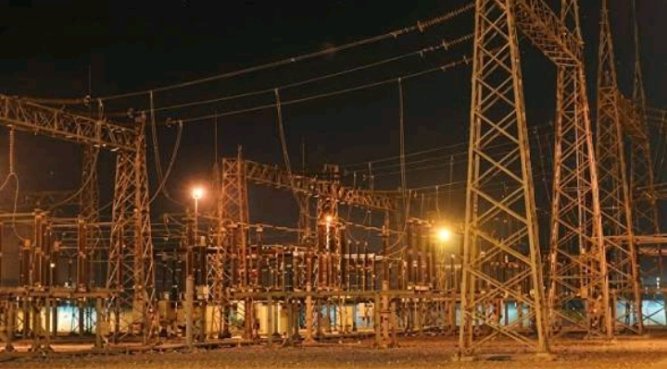
Nigeria’s electricity crisis has deepened after power generation on the national grid plunged to approximately 3,180 megawatts, forcing the 11 distribution companies to ration a combined allocation of just 2,885MW among consumers nationwide.
Data from the Nigerian Independent System Operator showed generation stood at 3,743MW around midnight on November 18, 2026, before declining to 3,732MW by 2am and dropping sharply to 3,179MW by 6am. Output recovered only marginally to 3,180MW by 6pm, remaining significantly below the early morning level.
The load allocation profile published by NISO on November 18 showed Abuja Electricity Distribution Company received the highest share of 551MW, followed by Ikeja with 366MW, Ibadan with 340MW and Eko with 339MW.
Port Harcourt received 279MW, Benin 230MW, Enugu 220MW, Kano 173MW, Kaduna 167MW and Jos 146MW, while Yola recorded the lowest allocation of 74MW.
The generation shortfall occurred despite about 21 electricity generation companies operating on the national grid, highlighting persistent constraints across the power value chain.
Industry stakeholders have identified inadequate water reserves for hydroelectric plants, gas supply constraints to thermal stations, transmission infrastructure failures and regulatory penalties imposed on generation companies as contributing factors.
NISO had previously attributed similar declines to limited gas availability constraining thermal generating stations and reduced water inflows affecting hydroelectric output.
The system operator warned that the reduction in available generation had affected the quantum of electricity allocated to DisCos, resulting in reduced supply hours and increased load shedding across distribution networks.
A source at a generation company revealed that the system operator could not claim ignorance of the challenges confronting the generation segment, arguing that issues affecting output had been discussed at a stakeholder meeting involving NISO, the Nigerian Electricity Regulatory Commission and GenCos.
The worsening supply situation has triggered protests at the offices of Eko Electricity Distribution Company and Ikeja Electric, as consumers expressed frustration over prolonged blackouts despite paying higher tariffs under the Band A service classification.
Ikeja Electric and other major DisCos have recently apologised to customers for their inability to provide the minimum 20 hours of daily electricity supply guaranteed to premium Band A consumers.
Meanwhile, the House of Representatives Ad-hoc Committee on Power Sector Reform is expected to present its report next Wednesday following an investigation into NERC’s Service-Based Tariff System and the classification of electricity consumers into Bands A to E.
The motion, sponsored by lawmaker Aluko Yinka, raised concerns over alleged discriminatory electricity supply practices and the failure of distribution companies to meet promised service levels.
Committee member David Agada disclosed that the panel had concluded extensive consultations with regulatory agencies, DisCos, GenCos and other stakeholders, and visited states including Lagos and Rivers to examine challenges facing electricity consumers.
The continuing generation shortfall has increased pressure on households and businesses, many of which depend on expensive diesel and petrol generators to sustain daily activities, further driving up operating costs amid the country’s broader economic pressures.