General News
Celebrity Power Is Not Political Power

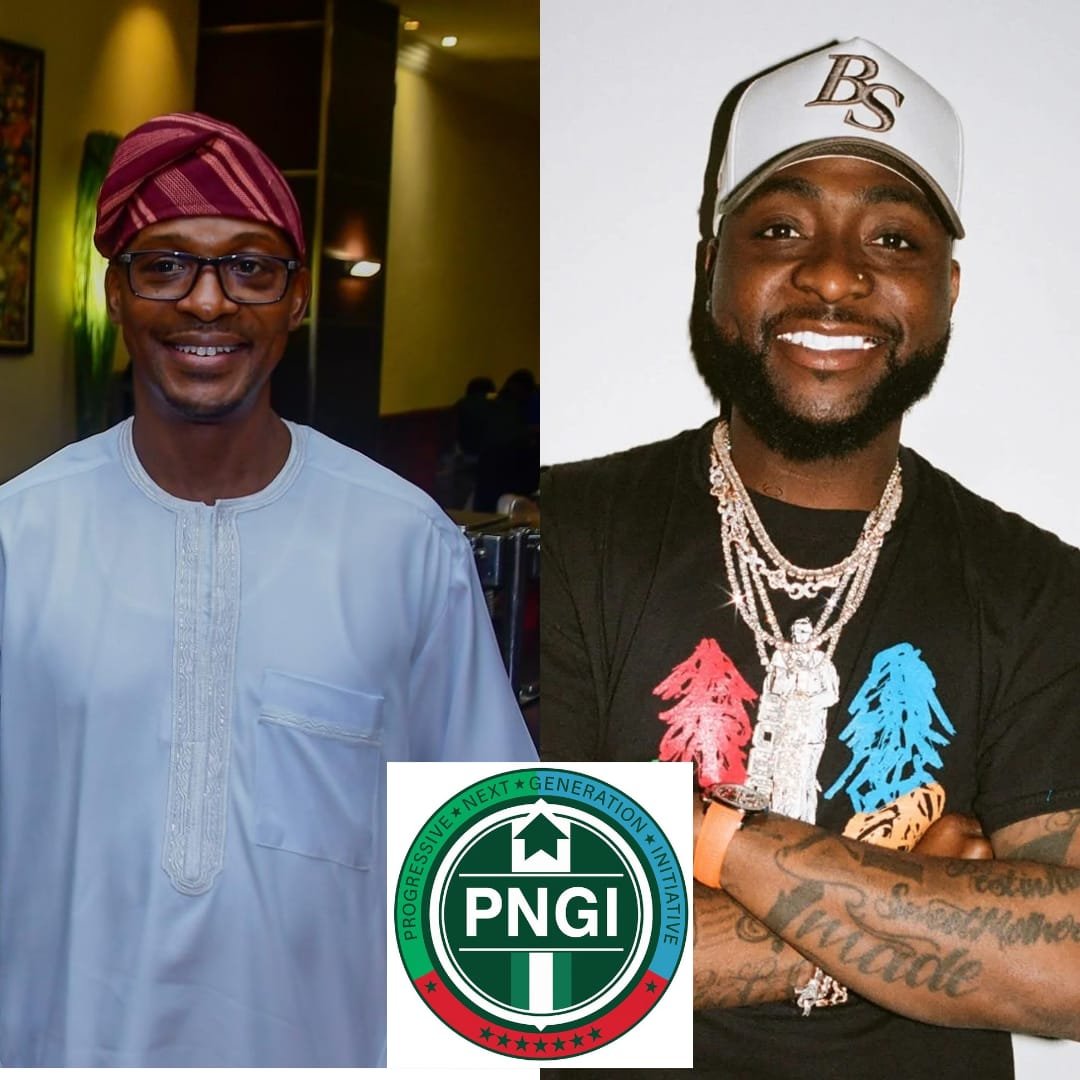
By Hon. Tokunbo Tonye Ogunade
One of my favorite Nigerian Superstar is Davido. I believe he ranks in the top three, depending on how you define your top three Nigerian musical artists.
Davido’s global representation of Nigerian music, along with his activism, further establishes him as a leader in that space.
So, this message is respectfully directed to Davido (OBO) and the Governor of Osun State, as well as to every Nigerian entertainer and political office holder who may be tempted to confuse popularity with political power.
The central lesson from American politics and increasingly from Nigeria’s own experience is simple: celebrity influence is not electoral power.
Fame can fill stadiums, dominate social media, and shape public conversation.
Musicians, actors, and comedians can mobilize attention at scale. But elections are not won by attention; they are won by votes.
This reality was clearly illustrated in the 2024 United States presidential election, when Vice President Kamala Harris benefited from one of the most extensive celebrity coalitions in modern politics. Taylor Swift, Beyoncé, Bruce Springsteen, Eminem, Cardi B, Megan Thee Stallion, Jennifer Lopez, Usher, Lizzo, Lady Gaga, Oprah Winfrey, Stevie Wonder and many others publicly supported or campaigned for her.
Yet despite this unprecedented star power, Harris lost the election to Donald Trump.
That outcome reinforces a recurring pattern in modern democracies, celebrity endorsement can amplify a campaign, but it does not determine its result.
Nigeria must pay attention, we have increasingly seen musicians and entertainers play visible roles in political campaigns performing at rallies, recording campaign songs, and publicly endorsing candidates. This is legitimate. Artists are citizens with political rights.
But a dangerous confusion often follows, the assumption that popularity in entertainment equals popularity in politics. It does not.
Nigeria does not need to look only to America for proof.
Our own electoral history tells the same story. In 2015, several prominent entertainers publicly supported President Goodluck Jonathan’s re-election campaign, including figures such as 2Baba (2Face Idibia) and D’banj, who were associated with organized celebrity mobilization efforts. Despite this visibility, President Jonathan lost to then Gen. Muhammadu Buhari.
In 2019, entertainers such as Davido, Banky W, Falz, and others were active in political engagement and voter mobilization campaigns across different platforms and candidates.
Yet at the presidential level, celebrity involvement did not determine the outcome, as President Buhari was re-elected.
In 2023, celebrity political participation became even more pronounced.
Artists including Davido, Falz, Mr Macaroni, and others openly expressed political views or supported different candidates during a highly visible youth-driven political movement.
Despite this unprecedented engagement, the election outcome was ultimately shaped by party structures, voter turnout, regional dynamics, and institutional factors not celebrity alignment.
None of this diminishes the right of entertainers to participate in political discourse.
On the contrary, their voices can help raise awareness, encourage civic participation, and draw attention to national issues.
But their role must be understood clearly. Politicians should not treat entertainers as substitutes for policy.
Campaigns should not rely on concerts in place of manifestos. Applause is not accountability. Visibility is not governance.
Osun state is not electing celebrities. It is electing leaders responsible for security, the economy, infrastructure, education, healthcare, and national development. That requires more than fame.
His Excellency Governor Adeleke should therefore ask better questions than “Which celebrity is with me?”
He should ask:
Who are the voters?
What do they need?
What have we done?
What are we offering?
Why should they trust us?
Can we deliver?
Celebrity can open a microphone.
It cannot cast a ballot.
It can fill a stadium.
It cannot fill a polling unit with guaranteed votes. It can make a candidate famous.
It cannot make a candidate competent and it certainly cannot replace governance.
A fan of a musician is not automatically a supporter of that musician’s political choice.
A viral song is not a vote. A concert crowd is not a polling unit. An Instagram following is not a voter register.
A musician can attract attention; a politician must secure votes. An entertainer can generate excitement; a candidate must earn trust.
A singer can produce a hit; a government must deliver results.
When Election Day comes in Osun State, no celebrities will decide.
We politicians play politics.
Musicians play music.
The voters play the final and most important role.
Hon. Tokunbo Tonye Ogunade is an Executive Member, Progressive Next Generation Initiative (PNGI).
PNGI is a data-driven movement shaping the future of political leadership, governance and civic engagement in Nigeria.