
Disaster/Tragedy
Guinea Landfill Collapse Kills 30 as Heavy Rains Bury Homes in Conakry

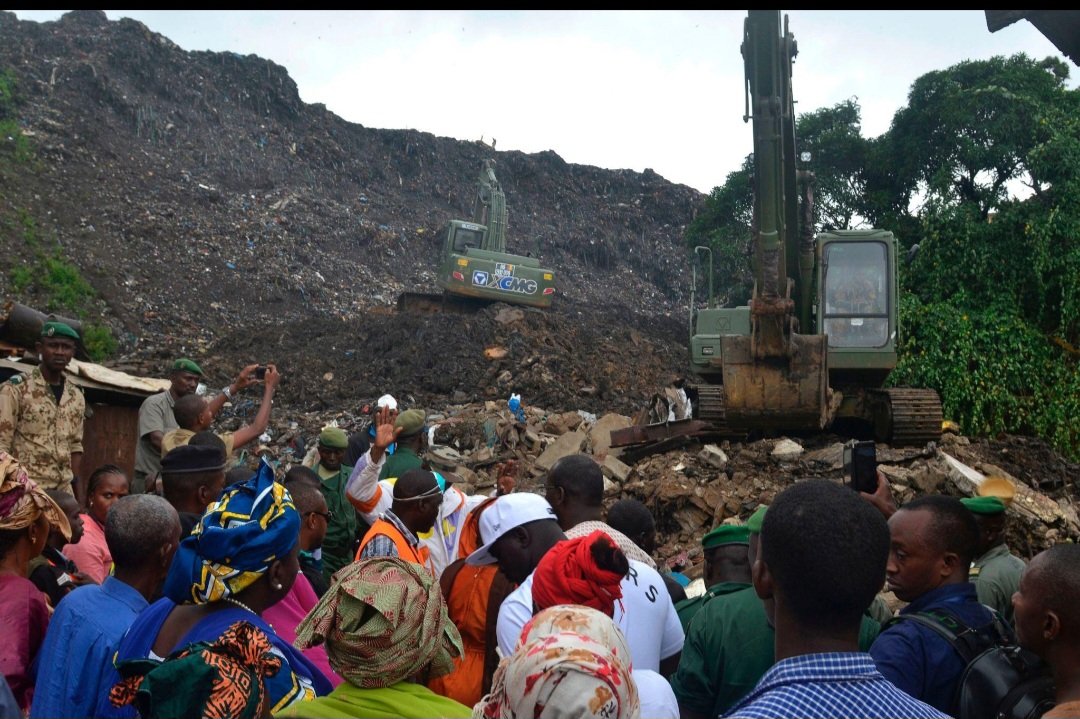
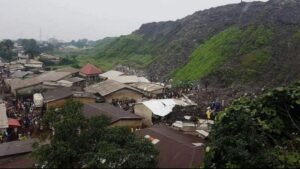
At least 30 people have been killed after a massive mound of rubbish collapsed at Guinea’s largest landfill in the capital, Conakry, burying nearby homes and shacks under tonnes of waste.
The disaster occurred at the Dar Es Salam landfill in the Gbessia commune early Sunday, August 23, after heavy overnight rainfall caused the enormous waste mound to give way. Government officials said six people were seriously injured, while several homes were destroyed.
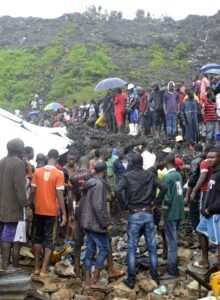
Emergency teams, including rescue workers, security personnel and medical teams, were deployed to the site as authorities searched through the debris for possible survivors and recovered bodies.
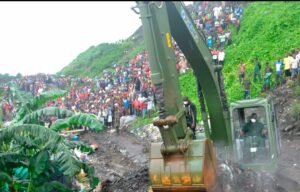
The government said significant human and material resources had been mobilised for the rescue operation, with excavators being used to clear the huge piles of waste.
The tragedy occurred just as authorities were preparing to shut down the landfill.
According to officials, the Dar Es Salam dump had been scheduled for closure on Sunday because of concerns about its safety. Residents living near the site had also received eviction notices, prompting many families to leave the area. However, others were still living there when the collapse occurred.
Guinea’s Minister of Territorial Administration and Decentralisation, Dienabou Touré, said the government would work to relocate families who remained in the area to safer locations.
The collapse has renewed questions over the dangers posed by the landfill and the safety of communities living around it.
The scale of the tragedy has left families devastated.
Reuters reported that one grieving mother, Cire Diallo, said she lost all five of her children in the disaster.
Residents have also criticised the authorities, saying concerns about the landfill had been raised previously.
The incident highlights the risks faced by people living close to poorly managed waste sites, particularly during Guinea’s rainy season, when heavy rainfall can destabilise huge accumulations of refuse.
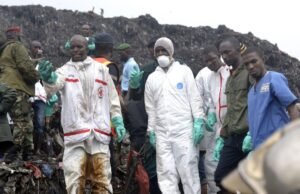
Rescue workers continued digging through the collapsed waste mound as authorities assessed the damage and searched for anyone who might still be trapped.
The death toll currently stands at 30, with officials reporting six serious injuries, but authorities have warned that the full impact of the disaster may not yet be known as recovery operations continue.
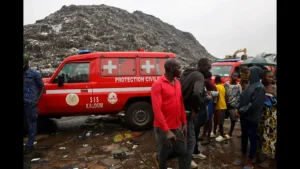
The Conakry disaster also echoes a similar incident at the same site in 2017, when a rubbish dump collapse triggered by heavy rain killed at least eight people.
For now, authorities are focusing on recovering victims, treating the injured and relocating families from the dangerous area.