
Disaster/Tragedy
Nepal Flood Disaster: Death Toll Tops 1,000 as Rescuers Search for Workers Trapped in Mud-Filled Tunnels

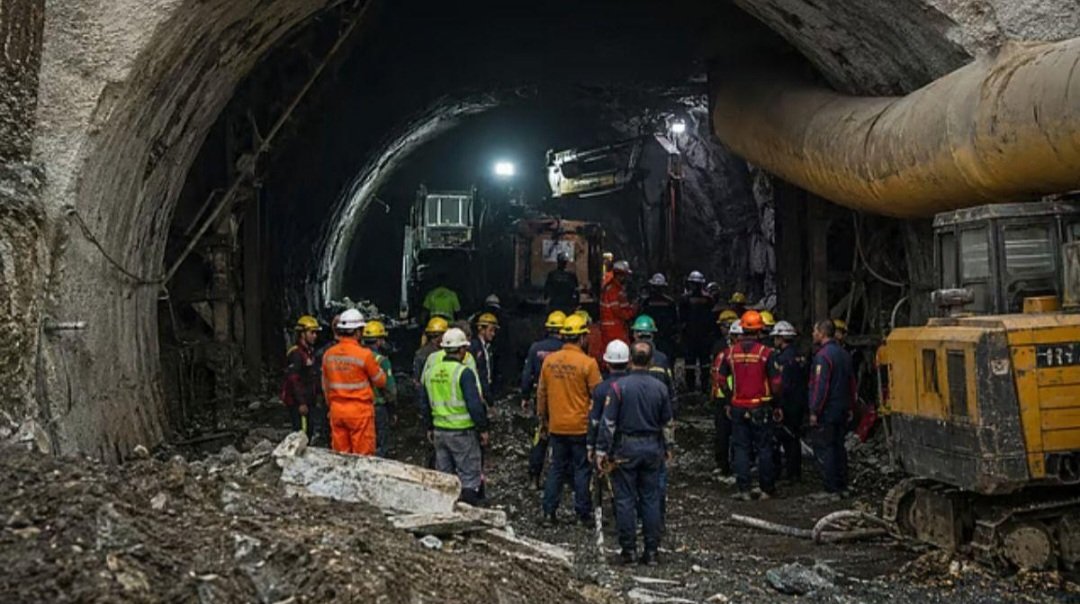
Nepal’s catastrophic floods have killed more than 1,000 people, while thousands remain missing as rescue teams race against time to locate hundreds of workers believed to be trapped inside mud-filled tunnels at hydropower projects.
The disaster was triggered by a glacial collapse in the Himalayas on August 26, unleashing torrents of water, ice, rock and mud across communities near Nepal’s border with China. The resulting floods and landslides have destroyed roads, bridges, homes and critical infrastructure.
Reuters reported that Nepal’s death toll had reached 1,050 by September 1, with around 4,000 people still missing, including hundreds of foreign nationals. More than 11,000 people have been rescued as emergency teams continue to reach isolated areas.
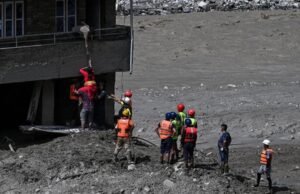
One of the most urgent rescue operations is taking place at hydropower construction sites along the Trishuli River, where hundreds of workers are believed to have been caught underground when floodwaters and debris rushed into tunnel systems.
Around 900 hydropower workers are reported missing, with approximately 500 believed to be inside tunnels that have been flooded or blocked by enormous quantities of mud, rocks and debris.
Rescue teams are using excavators, search dogs, drones and other specialised equipment while attempting to clear entrances and reach the underground workers.
In some locations, engineers have been pumping air into tunnels in the hope of keeping trapped workers alive. One rescue team managed to enter a tunnel but was forced to withdraw after finding no workers inside.
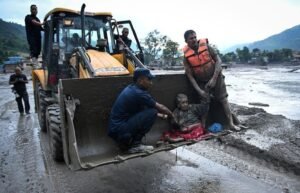
The scale of destruction has made the search extremely difficult.
Floodwaters and landslides have destroyed roads and bridges, cutting off remote mountain communities and making it difficult to transport heavy rescue equipment.
Many of the affected hydropower projects are located in steep and isolated areas, while the tunnels themselves have been filled with mud and debris.
The Associated Press reported that at least 12 hydropower projects, representing about 670 megawatts of generating capacity, were affected by the disaster.
Nepal’s rescue operation has received assistance from several countries.
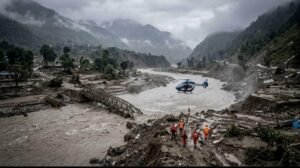
Chinese and Nepalese military personnel are involved in the search, while specialists from India, South Korea and Australia have also contributed expertise and equipment.
Helicopters are being used to reach isolated communities, while excavators and temporary bridges are helping emergency teams reopen access routes.
More than 11,800 people have reportedly been rescued, but the enormous number of people still unaccounted for means the operation remains a race against time.
As the death toll rises, authorities in Kathmandu have begun mass burials of unidentified victims.
Officials are preserving DNA samples and other identifying information in an effort to help families identify relatives whose bodies have been recovered.
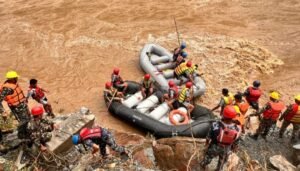
Meanwhile, thousands of families remain desperate for information about loved ones who disappeared during the floods.
The scale of the disaster has also renewed concerns about the vulnerability of Himalayan communities to climate-related hazards.
Prime Minister Balendra Shah has described the catastrophe as a climate-change-driven disaster and called for greater international attention to the risks facing countries dependent on Himalayan glaciers for water and energy.
The floods have left an estimated 2.2 million tons of debris across affected areas, underscoring the enormous challenge facing rescue and recovery teams.
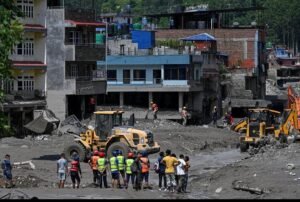
For families waiting outside damaged hydropower facilities, however, the immediate priority is far more personal: finding the workers who remain missing.
With hundreds feared trapped underground and thousands still unaccounted for, Nepal’s rescue teams are racing against time as they dig through mountains of mud and debris in the hope of finding survivors.