
Politics
Indirect talks continue as US and Iran remain divided on key issues

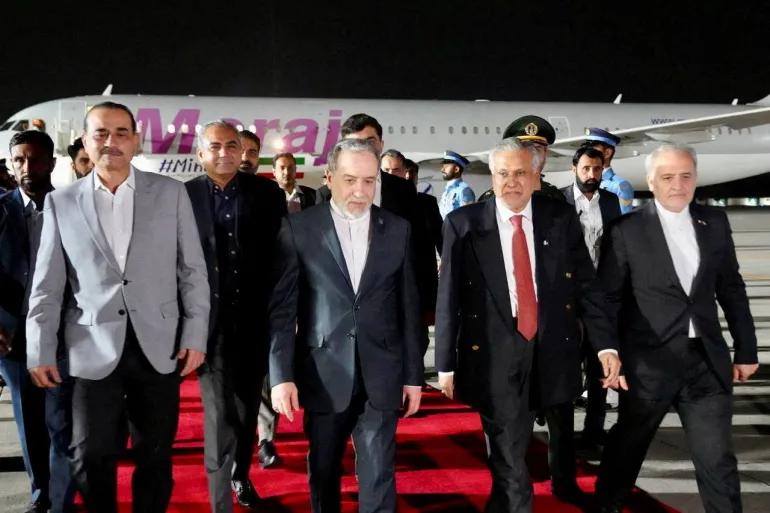
Efforts to ease tensions between the United States and Iran are continuing through indirect channels, despite the collapse of planned face-to-face talks between the two sides.


Sources involved in mediation; particularly from Pakistan, say diplomatic work has “not halted”, with officials maintaining communication between Washington and Tehran remotely after U.S. President Donald Trump canceled a planned visit by American envoys.
Mediators are now relying on backchannel messaging and shuttle diplomacy, attempting to keep dialogue alive while both sides remain far apart on key issues.
At the centre of the dispute are disagreements over Iran’s nuclear programme and broader regional security conditions. Iran has proposed delaying nuclear negotiations until wider conflicts; particularly in the Middle East and the Strait of Hormuz, are resolved, while the United States insists that nuclear issues must be addressed immediately.
Iranian Foreign Minister Abbas Araqchi has been engaging regional and global players, including visits to Pakistan and Russia, as part of efforts to build diplomatic momentum and rally support for Tehran’s position.
Despite the lack of direct talks, both sides have signalled they are not completely shutting the door on negotiations. U.S. officials have suggested Iran can initiate contact if it is ready, while mediators continue to push for a framework that could at least sustain the current fragile ceasefire.
However, major sticking points remain unresolved, including maritime security in the Strait of Hormuz, sanctions, and conditions for a longer-term truce, raising doubts about how soon any breakthrough can be achieved.