
Sports
Infantino Targets Critics, Says They Spread ‘Hate and False Rumors’ About World Cup

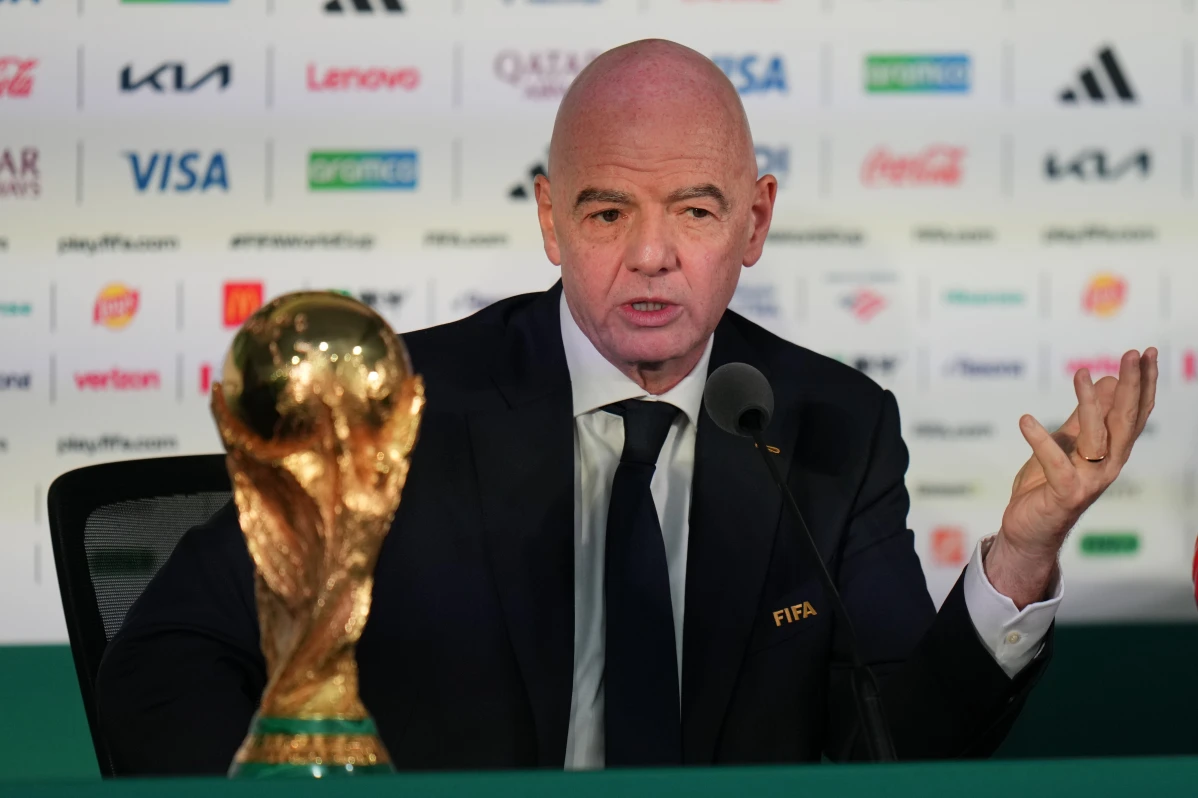
FIFA President Gianni Infantino has launched a strongly worded defence of the 2026 FIFA World Cup, accusing critics of the tournament of spreading “hate and false rumors” while overlooking what he described as one of the most successful editions of football’s biggest competition. The comments came one week after the World Cup final, which saw Spain crowned champions following a tournament co-hosted by the United States, Canada and Mexico.


In a lengthy statement posted on Instagram and reproduced on FIFA’s official website, Infantino praised the competition for bringing together millions of fans from around the world in what he called a celebration of “joy, unity, safety and togetherness.” Addressing journalists and online commentators directly, he wrote that while critics were “behind their pens and papers” and “behind their screens spreading hate and false rumors,” FIFA officials were focused on delivering “the best show in the world.”

Infantino’s remarks were a direct response to weeks of criticism surrounding several issues during the tournament. Among the controversies were concerns over high ticket prices, visa restrictions that prevented some supporters and officials from travelling to matches, political scrutiny over the tournament’s organisation, and debate surrounding FIFA’s handling of disciplinary decisions; including the widely discussed intervention involving United States striker Folarin Balogun.
The FIFA president defended the governing body’s decisions, arguing that many of the controversies had been exaggerated or taken out of context. He maintained that isolated incidents should not overshadow what he described as the tournament’s broader success, pointing to packed stadiums, global television audiences and the peaceful participation of teams from countries facing political tensions and humanitarian crises. He cited nations such as Iran, Haiti and the Democratic Republic of the Congo as examples of football’s ability to unite people despite international divisions.
Infantino also dismissed suggestions that the World Cup had been overshadowed by off-field issues, insisting that the competition was remembered primarily for its football, passionate supporters and atmosphere. He said FIFA remained committed to ensuring the tournament served as a platform for inclusion and international cooperation rather than political confrontation.
Despite FIFA’s positive assessment, critics have continued to question aspects of the tournament’s administration. Human rights groups, some football officials and sections of the media had raised concerns before and during the competition over travel restrictions, governance issues and the handling of disciplinary matters. While acknowledging that no tournament is without challenges, Infantino argued that many criticisms ignored the event’s overall achievements and the enjoyment experienced by millions of supporters worldwide.
The FIFA president concluded his message by urging observers to remember football’s ability to bring people together across cultures and borders. Rather than dwelling on controversy, he said the focus should remain on the positive legacy of the 2026 World Cup, which he described as a showcase of the sport’s unique power to inspire and unite people around the globe.
Infantino’s comments are expected to fuel further debate over FIFA’s leadership and governance, particularly as the organisation begins preparations for future international tournaments. While supporters praised his defence of the competition, critics argued that scrutiny of major sporting events remains essential to ensuring transparency and accountability at the highest levels of world football.