Africa
PETER OBI CHALLENGES ECOWAS OVER PERCEIVED DOUBLE STANDARDS ON ELECTION GLITCHES


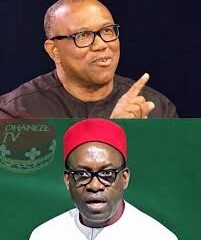
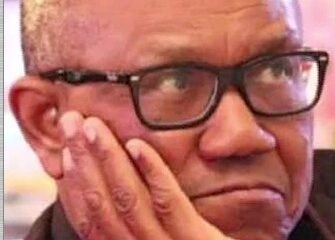
Labour Party leader and 2023 Presidential standard-bearer, Peter Obi, has reacted to the Economic Community of West African States’ condemnation of the recent military coup disruption in Guinea-Bissau, accusing the regional body of double standards. Obi questioned why ECOWAS remained silent on the technology glitch that marred Nigeria’s 2023 election while being quick to condemn the military-arranged glitch in Guinea-Bissau.
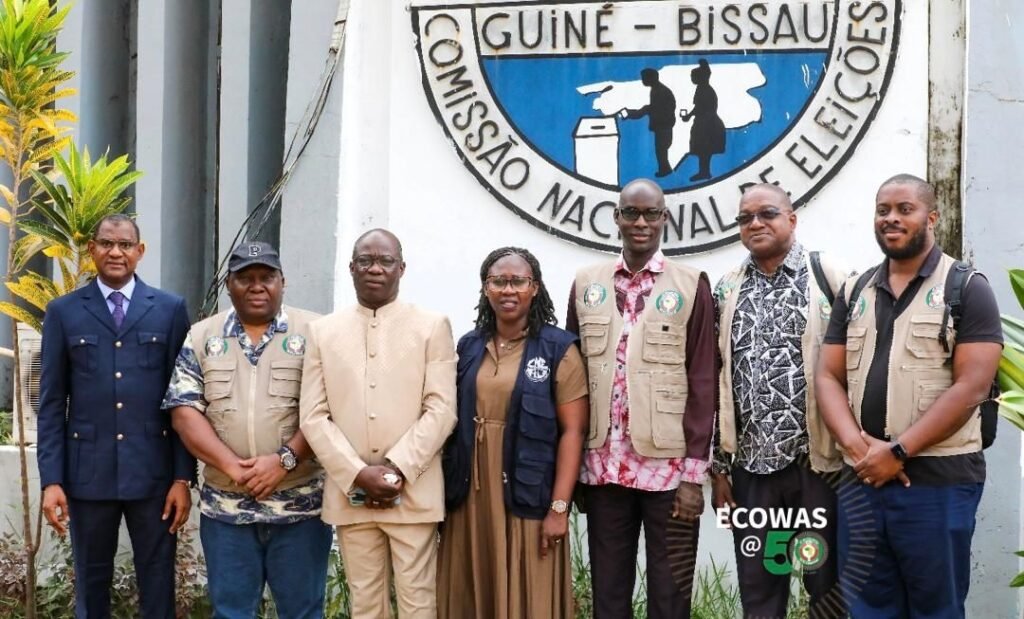
Writing on his X handle on Sunday in an article titled ‘Reflecting on the ‘Coup Glitches’ in Guinea-Bissau’, the foremost opposition leader stated that glitches of any type should be condemned because they undermine democracy. He recounted his distress upon learning that former President Goodluck Jonathan was caught up in the reported coup situation in Guinea-Bissau, where he was serving as an election monitor.


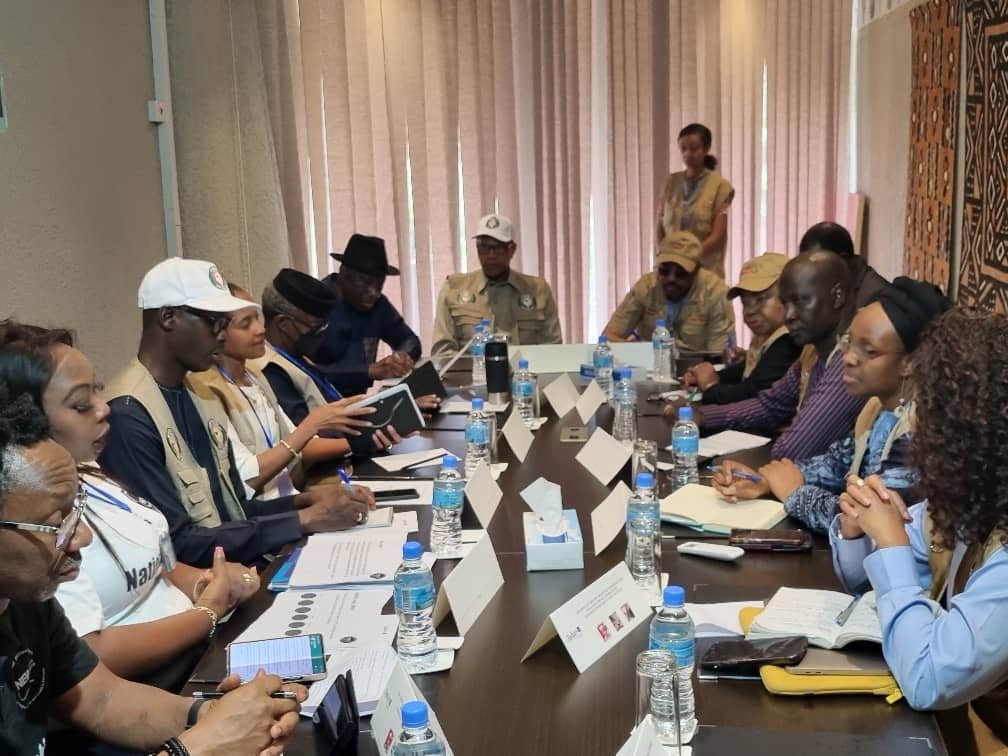
Obi revealed that he immediately reached out to Jonathan, who assured him of his safety. The Labour Party leader noted that he was further relieved to hear that Jonathan had returned safely to Nigeria. Obi said he listened carefully to Jonathan’s press briefing about the incident, where the former president noted that the so-called coup appeared suspicious, especially because it was the president himself who announced the coup and shared details with the international community.
Obi highlighted that the situation was particularly striking because the election was reportedly peaceful, with the only remaining step being the formal announcement of the results. He drew a parallel between the two nations’ electoral challenges, stating, “It is safe to say that while Nigeria’s own election was marred by a ‘technical glitch,’ the election in Guinea-Bissau seems to have suffered from a ‘coup glitch.’ Yet, to this day, no one has clearly explained the nature of Nigeria’s glitch.”
The former presidential candidate directly challenged ECOWAS’s inconsistent approach, asking, “ECOWAS was quick to sanction Guinea-Bissau, but what does ECOWAS do when democracy is subverted not by soldiers, but by technology? What is the punishment for countries that announce ‘glitches’ at critical moments during an election? Do we only condemn coups that are visible with guns and ignore those carried out through a designed technological failure?”
Obi emphasized that whether technical or political, these challenges can undermine democracy, hinder progress, and obstruct the rights of African citizens to freely elect their leaders. He asserted that true democracy flourishes in environments of transparency and accountability, where the voice of the people is paramount and not interrupted by unforeseen glitches or political maneuverings.
He concluded by stating that the Guinea-Bissau scenario represents two faces of the same crisis, where in one case ballots are discarded by force and in another ballots are obstructed by convenient technical issues. “In both cases, the people suffer, democracy is undermined, and the region sinks deeper into instability. The outcome remains the same: the citizens are denied their mandate,” Obi stated. He reaffirmed his belief that a New Nigeria is possible through addressing these issues constructively.