
Disaster/Tragedy
Rescue Efforts Intensify as Nepal-Tibet Flood Death Toll Surpasses 900

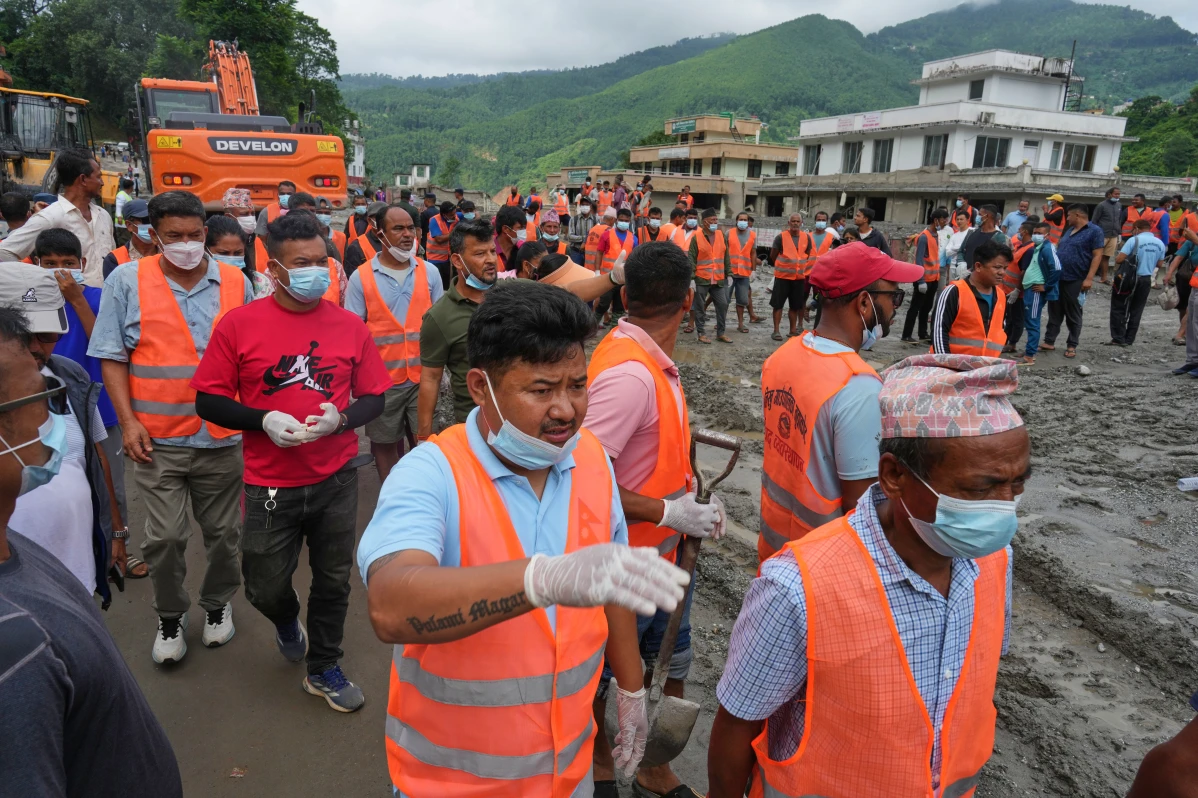
Rescue teams in Nepal have intensified efforts to reach hundreds of people believed to be trapped inside hydropower tunnels following catastrophic flooding along the Nepal-Tibet border, as the death toll from the disaster climbed past 900.
Nepal’s disaster management authorities said 903 people had died in Nepal, while more than 4,200 remained missing. On the Chinese side of the border, authorities reported another 16 deaths and 546 missing, bringing the combined death toll to at least 919.
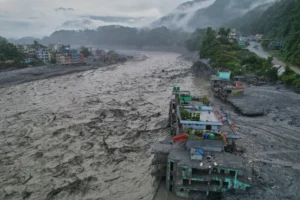
The disaster struck on August 26 after a massive collapse of ice, rock and debris in the Himalayan region unleashed torrents of water and mud through valleys in Nepal and Tibet. The resulting floods destroyed homes, roads, bridges and power infrastructure, leaving communities cut off and thousands unaccounted for.
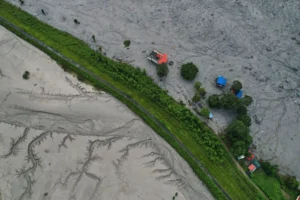
One of the most urgent rescue operations is taking place at several hydropower facilities in Nepal, where authorities believe more than 900 people could be trapped in tunnels and underground areas.
Rescuers are using excavators, drilling equipment, ropes and other machinery to clear enormous quantities of mud and debris blocking tunnel entrances. Teams are also attempting to pump air into some tunnels and use cameras to determine whether survivors remain inside.
The difficult terrain and continuing rain have slowed the operation. In some locations, rescuers have had to work through mud several metres deep, while damaged roads and bridges have made it difficult to move heavy equipment into the affected areas.
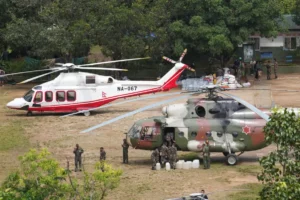
Chinese and Indian specialists have joined Nepali rescue teams, bringing additional expertise and equipment for the technically challenging tunnel operations. China has also mobilised more than 2,100 rescue workers and allocated financial support for relief operations.
The number of missing people remains one of the most worrying aspects of the disaster.
Nepal’s latest figures put the number of missing at 4,247, including 592 foreigners. China has reported another 546 missing people in Tibet.
Authorities are still working to establish the identities of many victims. Hundreds of bodies have reportedly been recovered from areas downstream after being swept away by the powerful floodwaters.
More than 90,000 people are believed to have been affected by the disaster, according to the Red Cross.
The scale of the destruction has renewed concerns about the growing danger posed by unstable glaciers and other climate-related hazards in the Himalayas.

The flooding followed a major ice-and-rock collapse, with experts warning that rising temperatures are contributing to the destabilisation of high-altitude environments. Nepal has also renewed calls for stronger cooperation with China on sharing glacier and hazard data and improving early-warning systems.
For now, however, the priority remains the search for survivors.
With hundreds of people potentially still trapped underground and thousands more missing, rescue crews are racing against time as difficult weather and unstable terrain continue to threaten operations.