
International
Travel Chaos Grips UK Airports as Air Traffic Control Failure Cancels More Than 600 Flights

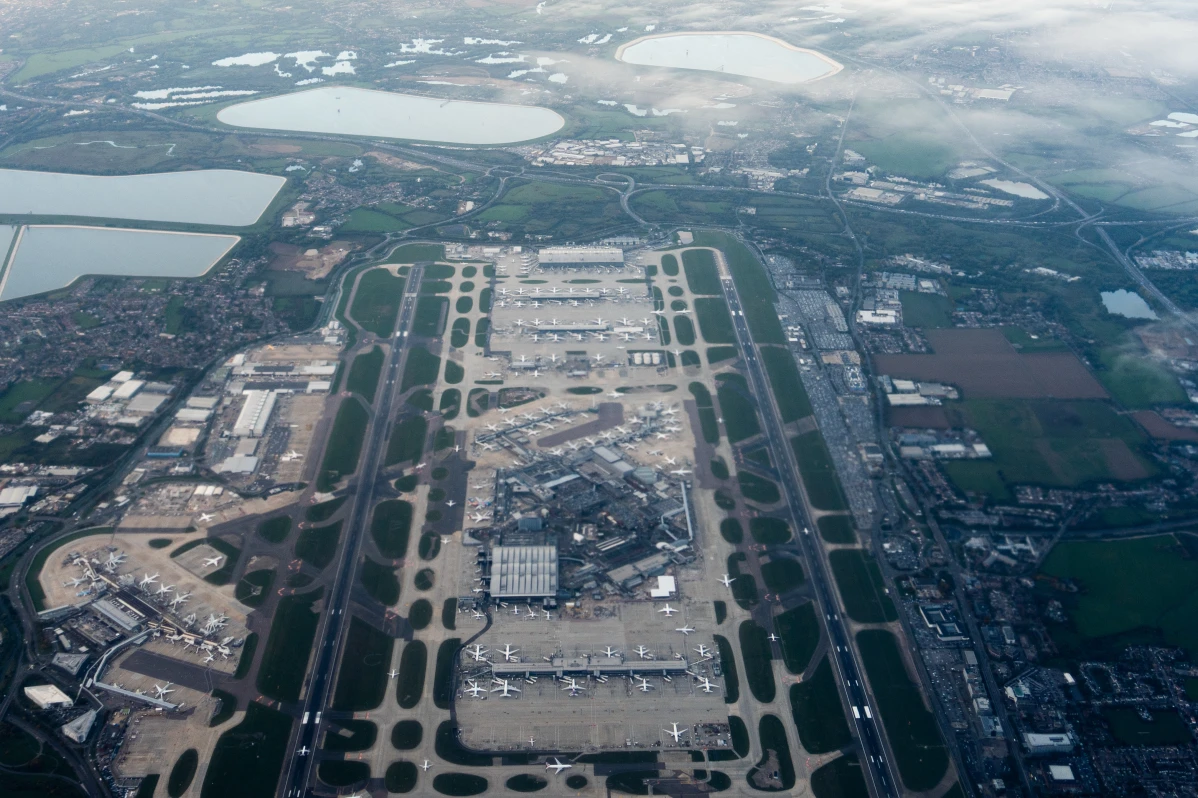
Travel across the United Kingdom was thrown into chaos on Tuesday after a technical failure in the country’s air traffic control system triggered hundreds of flight cancellations and widespread delays at major airports.
At least 625 flights to and from UK airports were cancelled, according to flight-tracking service Flightradar24, with Heathrow, Gatwick, Stansted, Manchester, Birmingham and airports in Scotland among those affected. Hundreds of additional flights were delayed, leaving passengers stranded at terminals and, in some cases, sitting on aircraft for hours.
The disruption was caused by a problem with the flight-processing system operated by National Air Traffic Services (NATS), Britain’s air navigation service provider.

NATS initially said it was investigating a technical problem affecting departures before later announcing that engineers had identified the fault and implemented a fix. The organisation said its system was beginning to recover, although the backlog meant disruption was expected to continue.
London Heathrow, Britain’s busiest airport, was among the hardest hit.
Heathrow said arriving flights were initially continuing, but many departures were cancelled or delayed. The airport urged passengers to check directly with their airlines before travelling to the airport.

Gatwick, Stansted and London City were also affected, while disruption spread to airports including Manchester, Birmingham, Edinburgh, Glasgow and Aberdeen.
The disruption also spilled over into other parts of Europe as airlines struggled to reposition aircraft and deal with the backlog.
EasyJet said the technical failure resulted in flights being unable to operate and caused delays across its European network. British Airways, KLM and Lufthansa were among other airlines affected.

The latest failure has reignited questions about the reliability of Britain’s air traffic control infrastructure.
The incident is particularly significant because it follows a major NATS failure in August 2023, when a separate flight-plan processing problem caused widespread disruption and left thousands of passengers stranded.
Ryanair has criticised NATS over the latest breakdown, saying the disruption affected more than 65,000 of its passengers and calling for the resignation of NATS chief executive Martin Rolfe. Other airlines have also demanded urgent improvements to the system.

The UK’s Civil Aviation Authority has requested a full report into the incident and is expected to examine whether further measures are needed to strengthen the resilience of the country’s air traffic control network.
NATS said the technical problem has been fixed and that its systems were returning to normal operation.
However, aviation officials warned that restoring the network does not immediately clear the backlog created by hours of cancellations and delays. Passengers could therefore continue experiencing disruption even after the underlying technical fault was resolved.

The incident has left hundreds of thousands of travellers facing uncertainty over their journeys, with airports urging passengers to confirm their flight status before heading to terminals.
For airlines and Britain’s aviation authorities, the immediate challenge is now clearing the backlog while determining exactly why the failure occurred, and preventing another breakdown of the system.