
War
US-Iran Deadlock Raises Fears of Renewed Middle East Conflict

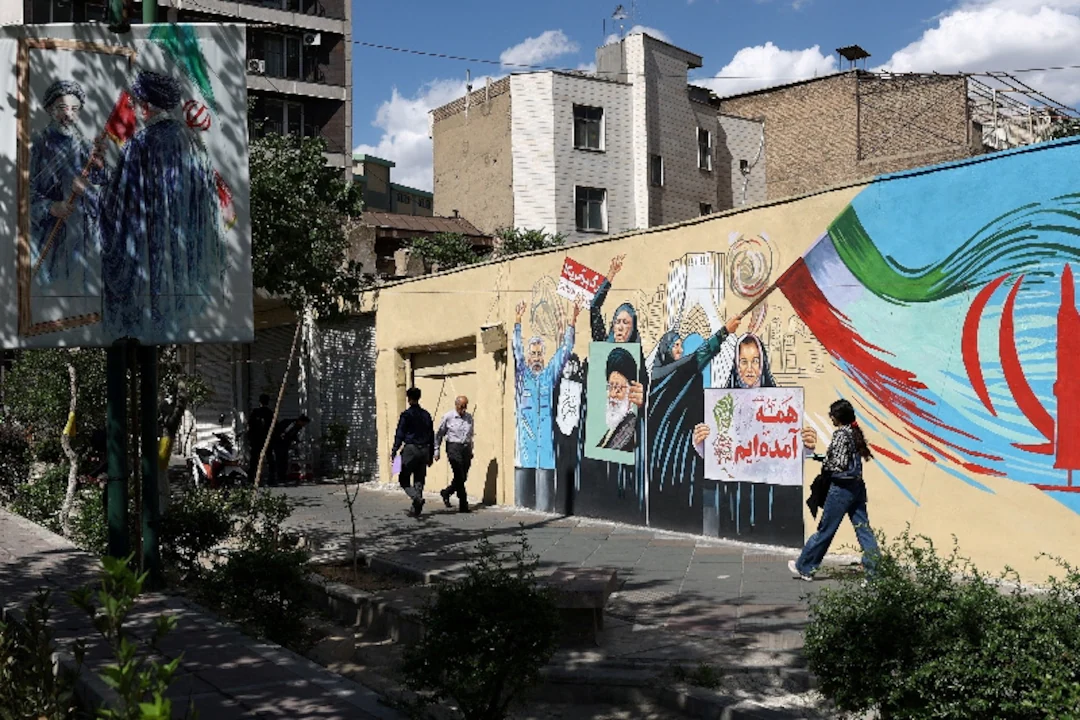
Tensions between the United States and Iran are escalating once again as stalled negotiations and mounting military pressure fuel fears of a fresh conflict in the Middle East.
Three months after joint U.S.-Israeli strikes on Iranian targets triggered a wider regional crisis, both Washington and Tehran remain locked in a dangerous standoff with no clear diplomatic breakthrough in sight. Analysts warn that the absence of a workable agreement is increasing the risk of military miscalculation that could spark another round of violence.
At the center of the dispute is Iran’s nuclear program and control over the strategically vital Strait of Hormuz; a key global oil shipping route. The U.S. has reportedly demanded a long-term halt to Iran’s uranium enrichment activities and restrictions on Tehran’s missile program, while Iran insists on sanctions relief, security guarantees, and recognition of its authority over Hormuz.
Diplomatic efforts led by regional mediators, including Pakistan and Gulf states, have so far failed to bridge the gap between the two sides. Reports indicate Iran recently submitted a revised proposal aimed at easing tensions, but U.S. officials described the offer as insufficient, warning that the conflict could resume if negotiations collapse.
The prolonged standoff is also sending shockwaves through global markets. Oil prices have surged amid uncertainty over the reopening of the Strait of Hormuz, through which roughly one-fifth of the world’s oil supply passes. Energy analysts say fears of prolonged disruption are already affecting fuel prices, shipping routes, and global inflation.
Security experts warn that neither side appears willing to back down completely. While the U.S. continues military pressure and naval operations in the Gulf, Iran has strengthened its regional posture and threatened retaliation against any further attacks. Observers say the lack of trust between both governments, combined with growing regional instability, leaves diplomacy hanging by a thread.
International leaders and the United Nations have repeatedly called for restraint, warning that a renewed war could destabilize the entire Middle East and trigger severe economic consequences worldwide.