
General News
2027: Youths Warn of Growing Distrust in Democracy, Demand Greater Inclusion at Abuja Arts Festival

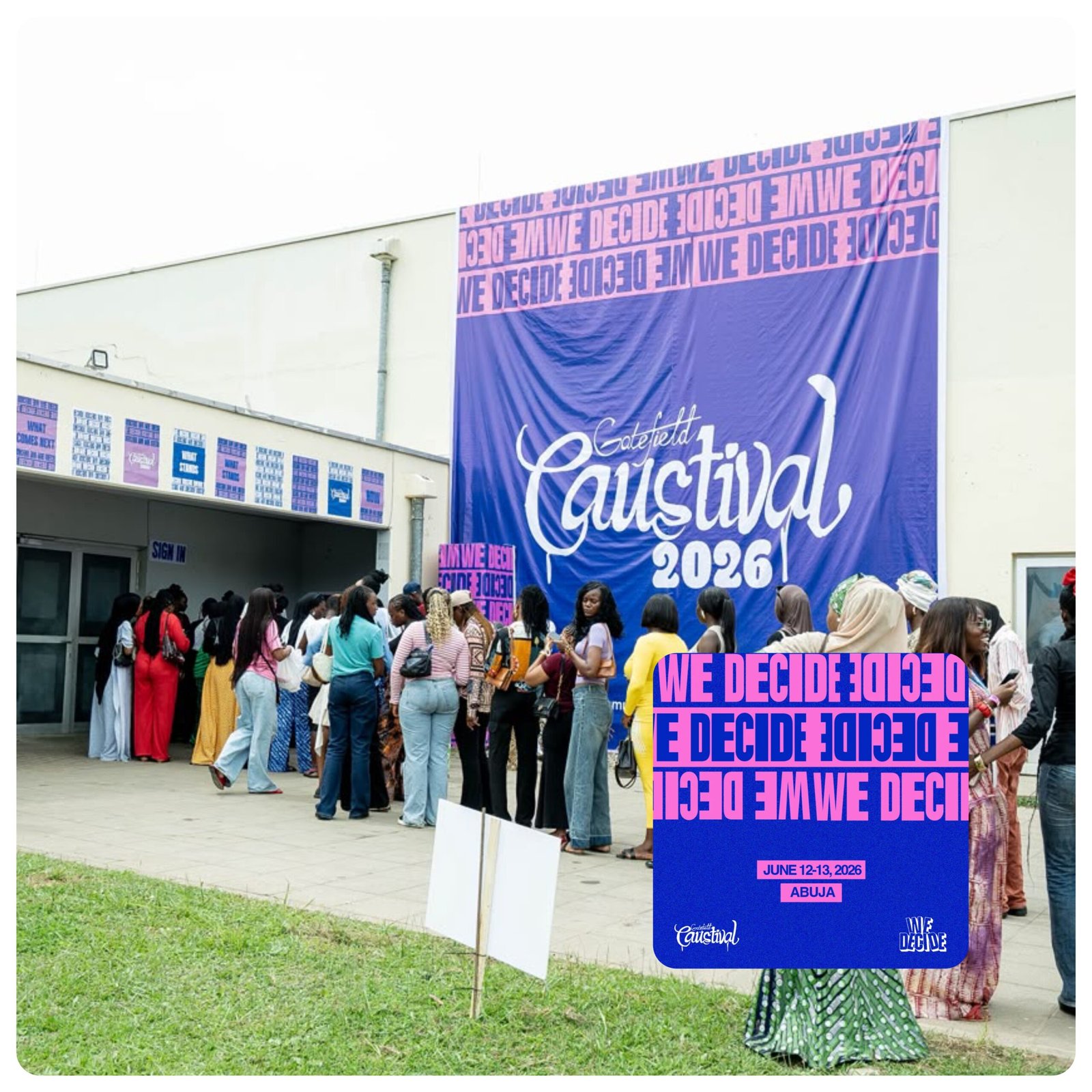
As political activities ahead of the 2027 general elections begin to gather momentum, young Nigerians have raised concerns over declining public trust in democratic institutions, barriers to women’s political participation, and the need for stronger civic engagement.


The concerns were expressed during Gatefield Caustival 2026, a social justice arts and film festival held in Abuja on June 12 under the theme, “We Decide.”
The two-day event brought together artists, filmmakers, activists, researchers, and citizens who explored issues of governance, inclusion, power, and civic responsibility through film screenings, exhibitions, performances, and public conversations.

One of the festival’s most symbolic moments was a mock voting exercise intentionally disrupted by organisers to provoke reflection on the fragility of democratic processes and the importance of public trust in elections.
Throughout the event, participants repeatedly highlighted three major concerns: the persistent obstacles facing women in politics, growing disillusionment with political institutions, and the need to strengthen citizens’ understanding of Nigeria’s democratic history.
Speaking during a session on women’s participation in public life, producer of the documentary Double Minority, Nabilah Usman, said online abuse and digital harassment continue to discourage women from engaging in public discourse and leadership.
“Digital violence makes women leave the digital space, which means they can’t be out there to talk about their work, campaign for themselves and make money,” she said.
Gender justice advocate Fakhriyyah Hashim noted that women seeking elective office often face both online and physical threats.
“These physical threats, digital threats, they take a toll on women’s mental health when they want to run for office,” she said.
The discussions also challenged assumptions that financial constraints are the primary obstacle to women’s political participation.
According to Solape Sonuga, Curator of the Abuja Global Shapers, deeper cultural and societal issues remain the greatest barriers.
“The overall barrier to women’s participation in politics is not money. It is a cultural problem rooted in gender disparity,” she said.
Beyond gender issues, speakers stressed the importance of civic education and historical consciousness in strengthening Nigeria’s democratic culture.
Documentary producer and cultural archivist Salma Ja’eh argued that a better understanding of Nigeria’s political history could inspire greater civic responsibility among citizens.
“If we actively go out of our way and seek knowledge about Nigeria’s political history, it will make you want to sit up,” she said.
Participants also reflected on the widening gap between elected officials and citizens, particularly outside election periods.
Hashim observed that limited interaction between politicians and constituents contributes to public cynicism and transactional politics.
“People extract as much as they can from politicians because they know they only see them once every four years,” she said.
Organisers said the festival was designed to create a platform where artistic expression and civic dialogue intersect, encouraging young Nigerians to engage critically with issues shaping the country’s democratic future.
As preparations for the 2027 elections gradually begin, discussions at Caustival 2026 underscored a growing demand among young people for a democracy that goes beyond voting and addresses broader questions of representation, accountability, inclusion, and citizen participation.