Agriculture
NIGERIA TARGETS FOOD SOVEREIGNTY AS VP SHETTIMA URGES GLOBAL PARTNERSHIP FOR SUSTAINABLE AGRICULTURAL TRANSFORMATION


Vice President Kashim Shettima has called on global stakeholders to deepen cooperation with Nigeria in rebuilding sustainable and inclusive food systems across Africa. He emphasized that true national sovereignty is incomplete without food sovereignty. Shettima spoke during a panel on Country Perspectives: Government-led Strategies and Regional Frameworks at the UN Food Systems Summit +4 (UNFSS+4) in Addis Ababa, Ethiopia.
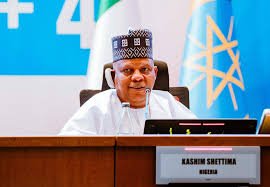
Senior Special Assistant to the President on Media & Communications, Stanley Nkwocha, quoted Shettima as saying, “Our target is to attain food sovereignty. So long as a nation is not independent in the area of food sovereignty, it remains a non-sovereign nation.” Nkwocha said Shettima highlighted President Bola Ahmed Tinubu’s comprehensive strategy to address food security challenges, particularly in conflict-affected regions.


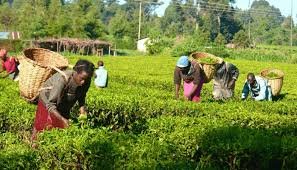
Shettima explained that the government adopted coordinated policy measures, including the creation of the Presidential Food Systems Coordinating Unit (PFSCU), to harmonize all food security interventions. Nkwocha further stated that Shettima emphasized Nigeria’s agricultural transformation strategy must be market-driven, powered by entrepreneurship and innovation. “Our belief is that agriculture should be market-driven. The whole mantra is about increasing yields. Entrepreneurial capitalism is embedded in the psyche of the average Nigerian,” Shettima said.
The Vice President also initiated discussions with top executives of global food and development agencies, including the Director-General of the Food and Agriculture Organization (FAO), QU Dongyu; President of the International Fund for Agricultural Development (IFAD), Álvaro Lario; and Executive Director of the World Food Programme (WFP), Cindy McCain. In his meeting with the FAO DG, Shettima sought the organization’s partnership in reviving the Lake Chad region, enhancing all-year farming, and supporting the Green Revolution Project of the Federal Government.
“The revival of the Lake Chad region, which is being threatened by multidimensional challenges such as environmental degradation, climate change, humanitarian crises, and conflict, requires a multi-pronged approach, development initiatives, conflict resolution, regional cooperation, and large-scale infrastructure,” Shettima said. Stanley Nkwocha noted that FAO Director-General QU Dongyu praised the political will of the Tinubu administration, describing it as a clear demonstration of committed leadership to transform Nigeria’s food systems.
Shettima also met with IFAD President Álvaro Lario, underscoring the administration’s resolve to empower smallholder farmers, especially youth and women, with access to finance, mechanization, and modern inputs. “We are focusing on increased productivity, resilience, and commercialization, not handouts,” Shettima said. In a meeting with WFP Executive Director Cindy McCain, Shettima commended the organization’s longstanding humanitarian interventions in Nigeria while reiterating the administration’s shift toward sustainable solutions. McCain pledged WFP’s continued commitment to working with the Nigerian government in areas such as school feeding, nutrition, and support for displaced communities.