
Entertainment
Eric Dane’s Final Chapter: Fame, Illness, and a Lasting Legacy

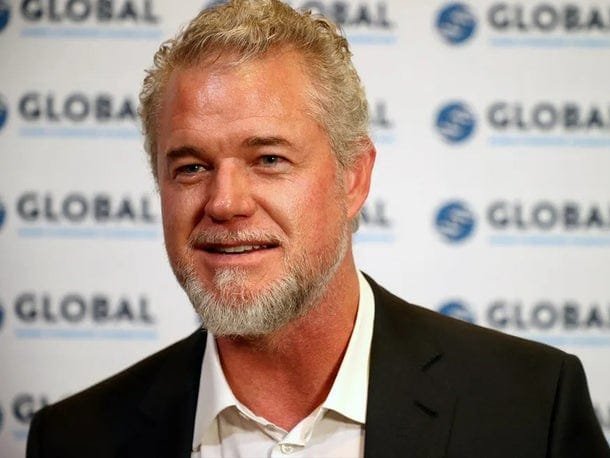
Before amyotrophic lateral sclerosis dimmed his final chapter, Eric Dane had already secured his place in television history.


For millions of viewers, he was not just an actor; he was Dr. Mark Sloan, the effortlessly confident plastic surgeon whose charm and complexity helped redefine primetime drama on Grey’s Anatomy. Nicknamed “McSteamy,” Dane became one of the most recognisable faces of 2000s television, embodying a character who was at once flawed, charismatic, and deeply human.
But beyond the polished hospital corridors of Seattle Grace, Dane’s career reflected range and reinvention. From early appearances on Charmed to his later, darker portrayal of Cal Jacobs in HBO’s Euphoria, he consistently embraced complex roles that pushed against typecasting. His performances evolved with time, mirroring an industry that demanded more nuance and vulnerability.
In April last year, Dane publicly disclosed that he had been diagnosed with amyotrophic lateral sclerosis (ALS), a progressive nervous system disease that affects nerve cells in the brain and spinal cord. ALS gradually robs patients of muscle control, impacting mobility, speech, and eventually breathing. There is no known cure.
The diagnosis marked a quiet but profound turning point.
Though private about the details of his health battle, Dane’s struggle underscored a stark reality: illness does not discriminate between ordinary lives and extraordinary ones. Fame offers visibility, not immunity.
Tributes from colleagues and fans have since poured in, reflecting the depth of his impact across generations of viewers. For many, Dane’s work on Grey’s Anatomy defined an era of television storytelling. For younger audiences, his presence in Euphoria introduced him anew as a layered and unsettling patriarch navigating modern moral chaos.
His career was not without personal challenges. Dane had previously spoken openly about struggles with mental health and time spent in rehabilitation, conversations that helped destigmatize vulnerability among male actors in Hollywood. In many ways, that honesty made his final public chapter his battle with ALS resonate even more deeply.
Eric Dane’s passing is not merely the loss of a performer. It is the closing of a chapter in contemporary television; one that spanned romance, reinvention, and raw emotional storytelling.
In the end, he leaves behind more than memorable scenes and trending tributes. He leaves behind characters that continue to live on screen, reminding audiences of a presence that once felt larger than life.
Perhaps that is the quiet power of legacy: while ALS may have silenced the man, it can not erase the work.