
International
UK Suspends Study Visas for Four Countries Amid Surge in Asylum Claims

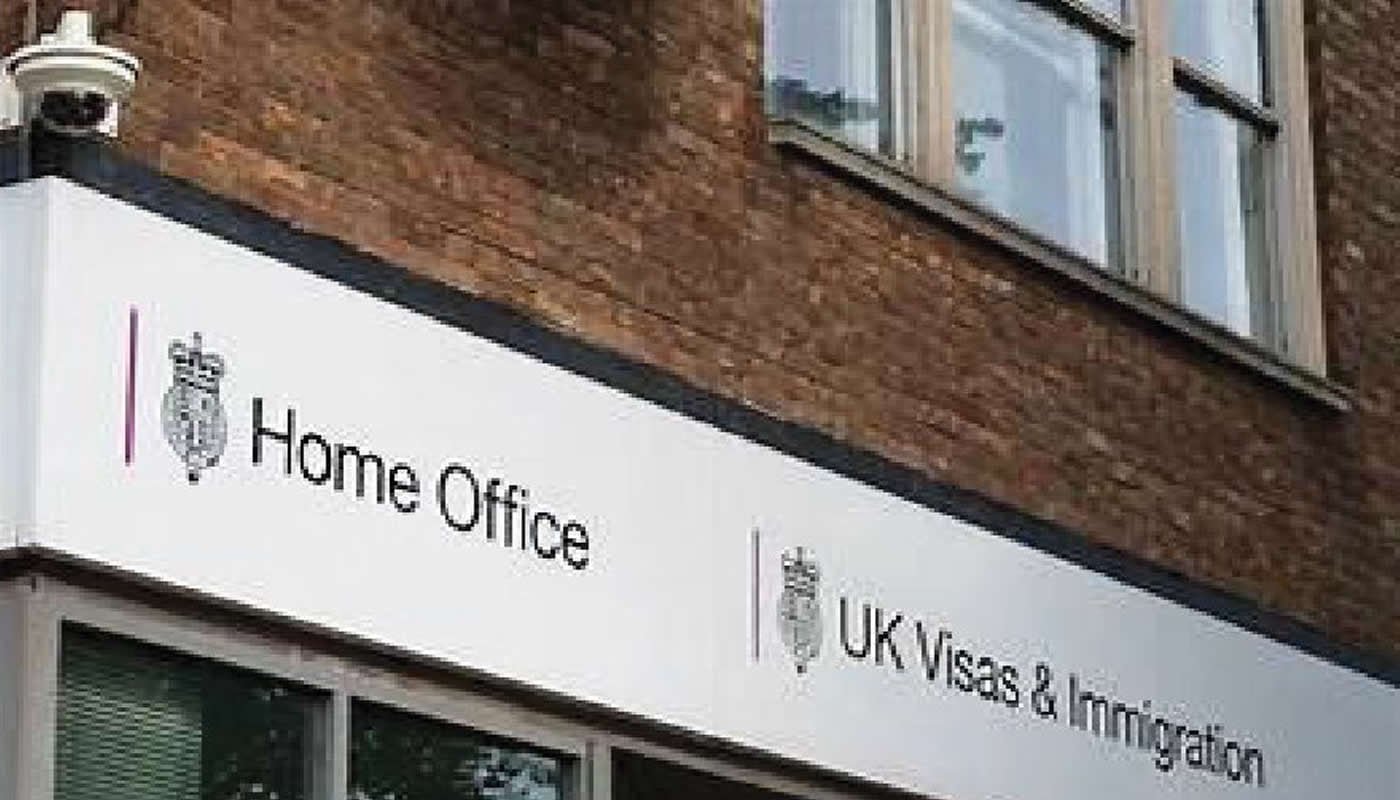
The British government has announced it will suspend the issuance of study visas for nationals of Afghanistan, Cameroon, Myanmar, and Sudan while also halting work visas for Afghan citizens.
The move, confirmed by the Home Office on Tuesday, marks the first use of an “emergency brake” mechanism targeting specific countries in response to changing migration patterns.
Official data show that asylum applications submitted by students from these nations rose more than 470% between 2021 and 2025, prompting officials to adjust visa rules to safeguard the integrity of the system.
Home Secretary Shabana Mahmood emphasized that the UK remains committed to protecting those fleeing genuine persecution but described the measure as necessary to prevent the exploitation of educational pathways.
“Britain’s tradition of offering sanctuary to those escaping conflict remains unshaken, but we can not allow our visa framework to be exploited. This unprecedented step reflects our determination to preserve public confidence in the system,” she said.
The policy tightening comes amid heightened domestic debate over immigration, with the anti-immigration Reform UK party gaining momentum in recent opinion polls. The government has already streamlined asylum procedures and accelerated removals of unauthorized arrivals in response.
The new restrictions, set to take effect Thursday through amendments to immigration rules, coincide with a major policy address by Mahmood detailing stricter asylum protocols. Among proposed measures is a requirement for successful asylum seekers to undergo status reviews every 30 months, aimed at reducing the UK’s appeal as a destination for economic migration.
Home Office figures indicate that student-derived asylum claims fell by 20% in 2025 but still represent 13% of all pending applications, highlighting the government’s rationale for targeted intervention.