
International
Trump’s Intelligence Nominee Faces Mounting Resistance From Republicans

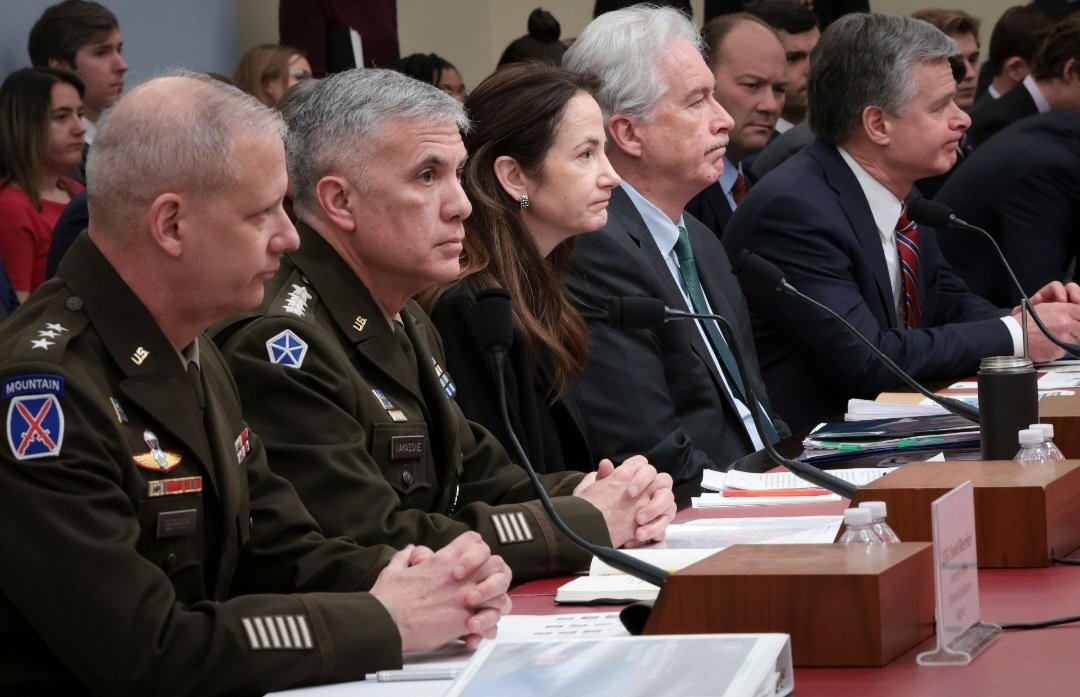
Opposition within the Republican Party is growing over President Donald Trump’s decision to appoint a controversial administration official as acting Director of National Intelligence, exposing fresh divisions among conservatives over the future direction of U.S. national security policy.
Several Republican lawmakers and former intelligence officials have publicly questioned the nomination, citing concerns about the appointee’s qualifications, experience in intelligence matters and perceived political loyalty to the president.
The criticism comes shortly after Trump announced the appointment, describing the official as a trusted member of his administration capable of overseeing the nation’s intelligence community during a period of heightened global tensions.

However, some Republicans have expressed unease over placing a figure with limited intelligence experience at the helm of agencies responsible for coordinating national security assessments and managing sensitive intelligence operations.
Critics within the party argue that the position requires extensive expertise and independence, particularly as the United States faces multiple international challenges, including ongoing tensions in the Middle East, competition with China and security concerns involving Russia.
Democrats have also criticized the appointment, accusing the administration of prioritizing political loyalty over professional experience in one of the government’s most sensitive national security roles.
Supporters of the president have defended the decision, arguing that the nominee has demonstrated strong leadership skills and shares the administration’s vision for reforming government institutions. They contend that the intelligence community requires greater accountability and alignment with elected leadership.
The controversy is expected to dominate discussions on Capitol Hill in the coming days as lawmakers seek additional information about the appointment and its implications for intelligence oversight.
Political analysts say the dispute highlights broader debates within the Republican Party over national security, executive authority and the balance between political loyalty and professional expertise in senior government positions.
As scrutiny intensifies, attention will focus on whether the administration can rally sufficient support for the appointment or whether growing opposition within Republican ranks will force a reconsideration of the choice.