
Africa
Aid Workers Accused of Exploiting Sudanese Refugees in Chad, Internal Report Finds

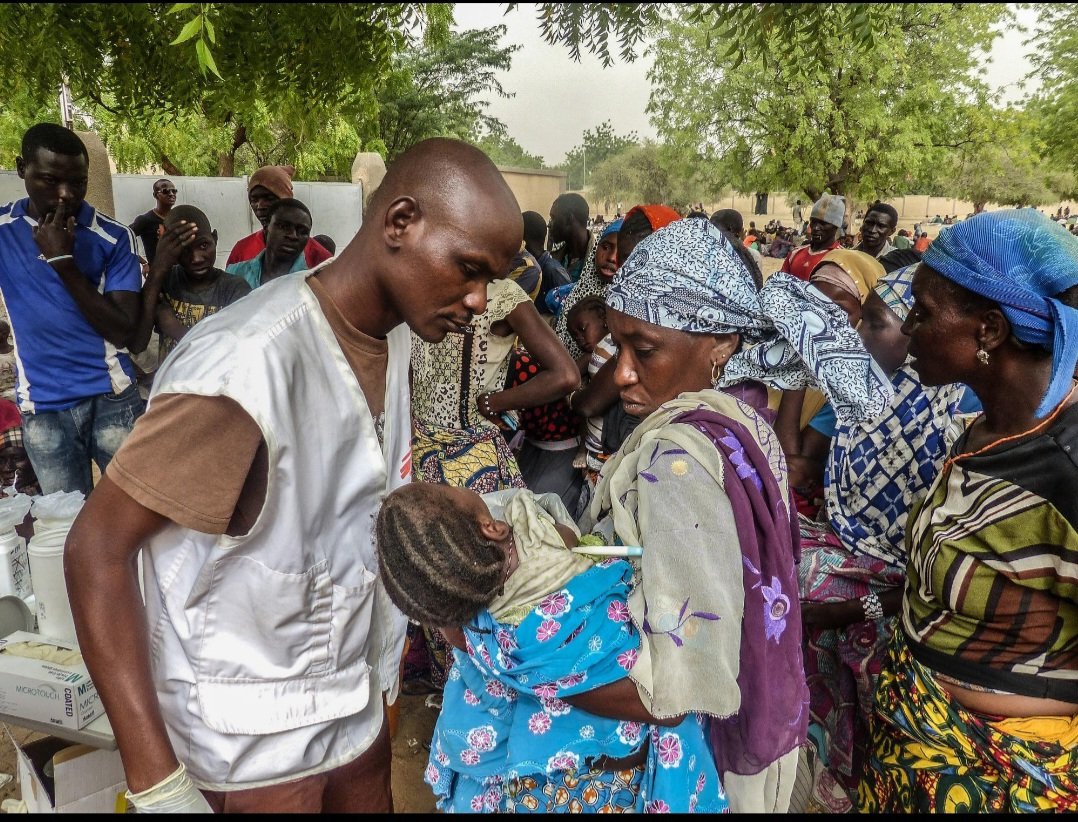
A confidential internal investigation by humanitarian organization Médecins Sans Frontières (MSF), also known as Doctors Without Borders, has uncovered widespread cases of sexual abuse, exploitation, and misconduct involving some of its staff members operating in eastern Chad near the Sudan border. The findings have sparked renewed concerns about accountability within international aid operations serving vulnerable populations.

According to the report obtained by the Associated Press, investigators documented 59 allegations ranging from sexual harassment to exploitation and abuse. The investigation was launched in late 2024 after media reports highlighted claims from Sudanese refugees who alleged that aid workers and other individuals in positions of authority were exploiting women and girls living in displacement camps.
The report found that some refugees were allegedly pressured into exchanging sex for food, employment opportunities, water, and other forms of humanitarian assistance. Several cases involved underage girls, while investigators also identified instances where female staff members faced coercion and threats related to their employment. The findings suggest that exploitation affected both Sudanese refugees fleeing conflict and local Chadian workers.
As a result of the investigation, MSF dismissed 18 staff members and barred them from future employment with the organization. The report also raised concerns about possible organized sexual trafficking activities linked to some of the repeated patterns of abuse. However, investigators noted that many cases could not be fully verified due to challenges in identifying perpetrators and tracking victims in the midst of a large-scale humanitarian emergency.
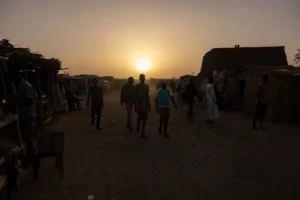
The investigation further revealed significant shortcomings in the organization’s safeguarding systems. Many victims reportedly feared retaliation or losing access to humanitarian aid if they reported abuse. Others were unaware of available complaint mechanisms, while some complaints allegedly received little or no follow-up. Investigators criticized existing reporting channels and found that high staff turnover and inadequate background checks had allowed some individuals with histories of misconduct to be hired.
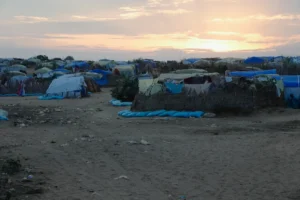
In a statement responding to the findings, MSF described the report as a candid assessment of its failures and acknowledged that the abuses represented a serious breach of the organization’s values. The organization said it has since strengthened recruitment procedures, improved reference checks, and introduced more robust complaint and reporting systems to prevent future incidents.
The revelations come amid an ongoing humanitarian crisis along the Chad-Sudan border, where hundreds of thousands of refugees have fled Sudan’s civil war. Aid agencies continue to provide critical services in the region, but the scandal has intensified scrutiny of safeguarding measures within humanitarian operations worldwide.
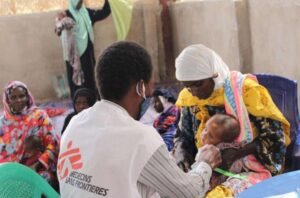
Human rights advocates say the findings underscore the need for stronger oversight and accountability mechanisms across the international aid sector to protect vulnerable populations from abuse by those entrusted with their care. Similar concerns have previously emerged in other humanitarian crises, highlighting the persistent challenge of preventing exploitation in emergency settings.