
International
Trump Derails Spy Bill After Senate Republicans Reject Voter ID Demand

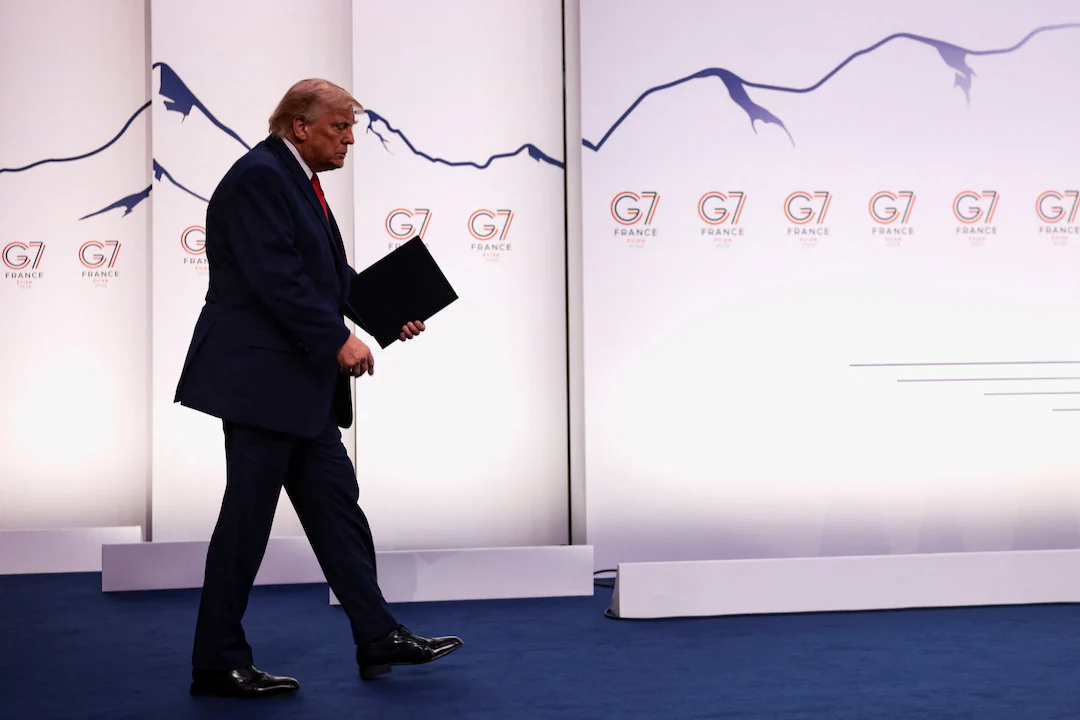
A growing rift between U.S. President Donald Trump and Senate Republicans burst into the open this week after Trump moved to derail a major national security bill when Republican lawmakers refused to attach his voter ID legislation to it.
At the center of the dispute is the renewal of Section 702 of the Foreign Intelligence Surveillance Act (FISA), a key intelligence-gathering authority used by U.S. agencies to monitor foreign threats. Trump has insisted that Congress include his proposed SAVE America Act; a voter ID and proof-of-citizenship measure, as part of any FISA legislation.
Speaking during the G7 summit in France, Trump said he would refuse to sign a FISA renewal bill unless lawmakers approved his election reform proposal. The demand immediately complicated Senate Republican efforts to advance the surveillance legislation, which many lawmakers consider critical to national security.
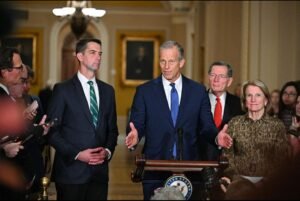
Senate Majority Leader John Thune publicly rejected the idea of linking the two measures, describing it as unrealistic and warning that it could jeopardize passage of the intelligence bill. Several Republican senators echoed those concerns, arguing that national security legislation should not be tied to unrelated political priorities.
The dispute also delayed efforts to confirm Trump’s nominee for Director of National Intelligence, Jay Clayton. Senate Republicans had hoped to move quickly on the nomination, but Trump’s intervention forced the postponement of a key confirmation hearing. Some members of his own party criticized the move, warning that it could undermine intelligence operations and create unnecessary uncertainty.
The controversy comes after Congress struggled for weeks to renew Section 702, with lawmakers divided over privacy concerns, surveillance powers, and Trump’s controversial appointment of housing official Bill Pulte as acting intelligence director despite his lack of national security experience.
Trump’s SAVE America Act has faced significant hurdles in the Senate, where it lacks the support needed to overcome procedural barriers. The legislation would require proof of citizenship and voter identification for federal elections, measures supporters argue are necessary to strengthen election integrity but opponents say could make voting more difficult for some Americans.
Political analysts say the clash reflects broader tensions within the Republican Party as Senate lawmakers become increasingly willing to challenge Trump ahead of the 2026 midterm elections. Recent disagreements have emerged over spending, Senate rules, intelligence appointments, and election legislation, exposing divisions between Trump loyalists and more traditional conservatives.
Despite the pushback, Trump has continued to pressure congressional Republicans to prioritize his voting legislation, signaling that the battle is unlikely to end soon. With the future of FISA renewal still uncertain, lawmakers now face mounting pressure to resolve the impasse while balancing national security concerns and election policy debates.