
International
Judge Rules Against Trump-Era Citizenship Checks, Citing Threat to Voting Rights

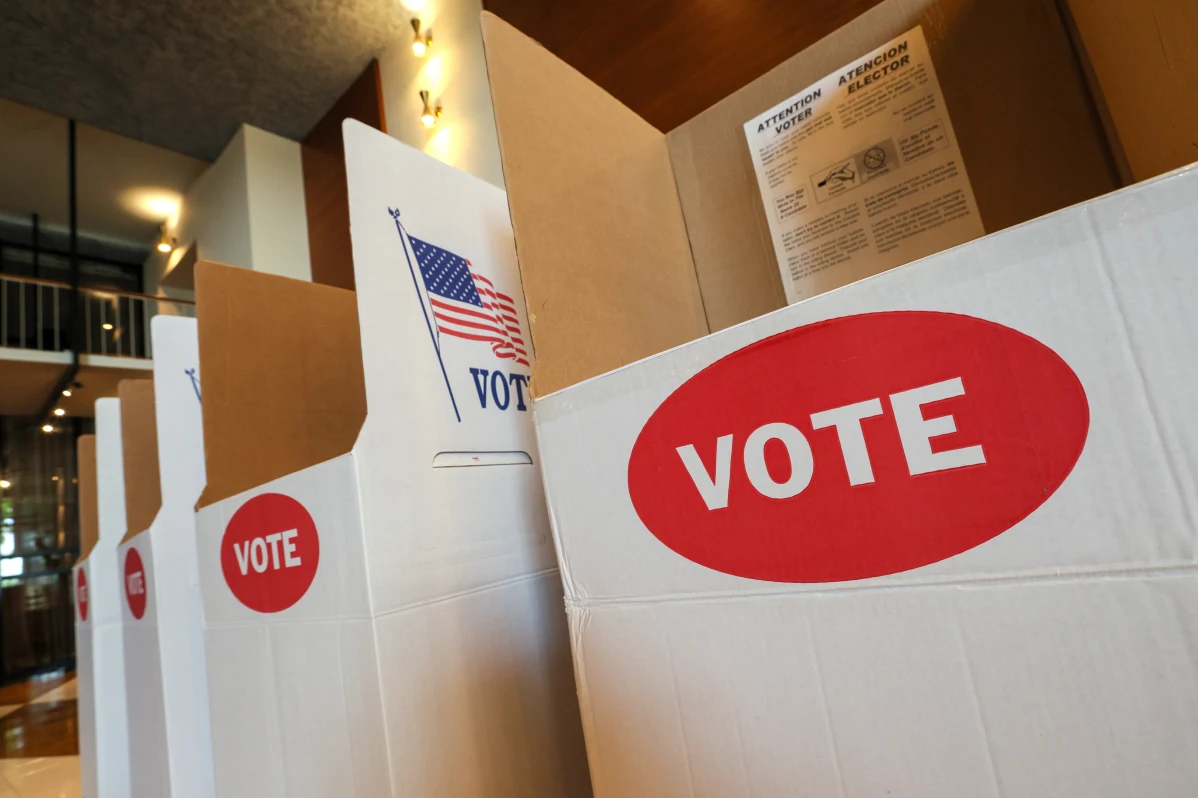
A federal judge has blocked the use of a revamped federal citizenship verification database in voter registration checks, ruling that the system could wrongly remove eligible Americans from voter rolls and violate privacy protections.
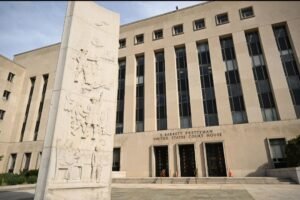
In a decision issued Monday, U.S. District Judge Sparkle Sooknanan ruled against the Trump administration’s use of the Systematic Alien Verification for Entitlements (SAVE) database, a tool that had been expanded to help state and local election officials verify voters’ citizenship status.
The judge found that recent modifications to the database combined sensitive personal information from multiple federal sources in a manner that violated federal privacy laws and created a significant risk of eligible voters being incorrectly identified as noncitizens. According to the ruling, such errors could lead to lawful voters being removed from voter registration rolls.
Voting rights groups, including the League of Women Voters and privacy advocates, challenged the database overhaul in court. They argued that naturalized U.S. citizens were especially vulnerable to inaccuracies within the system and could face wrongful disenfranchisement.
The Department of Homeland Security had expanded SAVE’s capabilities last year, allowing officials to conduct large-scale citizenship checks and access additional personal data, including Social Security information. Several Republican-led states subsequently used the system to compare voter rolls against federal records, leading to the cancellation of some voter registrations flagged as belonging to noncitizens. Critics maintained that the database contained outdated or incomplete records that could incorrectly classify eligible voters.
In her ruling, Judge Sooknanan stated that the federal government had “knowingly trampled on the privacy rights of American citizens” and emphasized that Congress had prohibited the creation of centralized databases containing sensitive personal information for such purposes.
The decision represents another legal setback for President Donald Trump’s broader election integrity agenda, which has included efforts to require proof of citizenship for voter registration and increase federal involvement in election oversight. Several of those initiatives have previously been blocked or challenged in federal courts.
The Department of Homeland Security criticized the ruling and signaled it would continue pursuing measures aimed at preventing noncitizens from voting, while voting rights advocates hailed the decision as a major victory for voter privacy and election access.
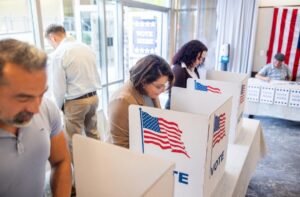
The case highlights the continuing national debate over election security, voter access, and the extent of federal authority in managing election processes traditionally overseen by individual states.