
Business
Yen Under Pressure Again Amid Talk of Coordinated Market Intervention

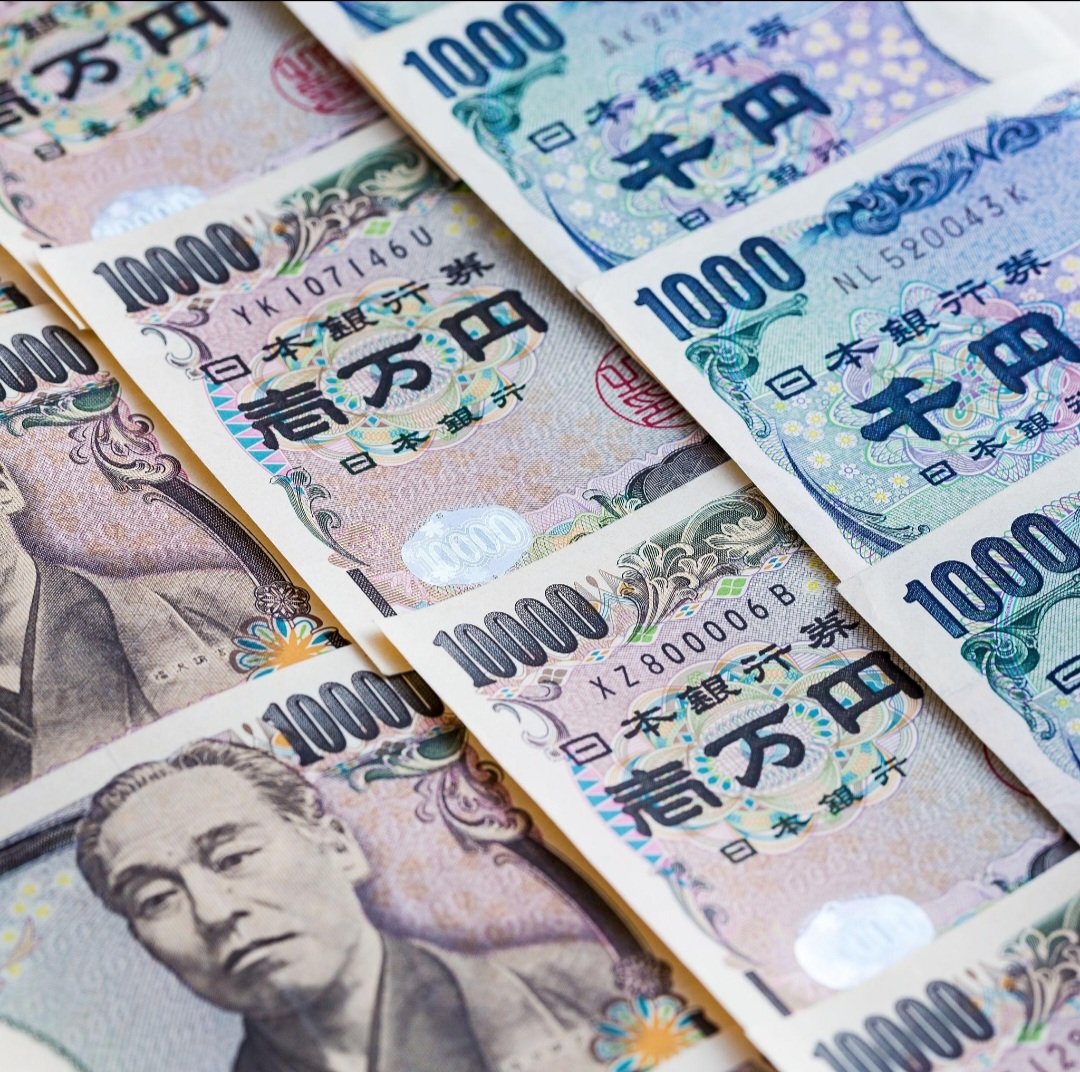
The Japanese yen is once again hovering near its weakest level in nearly four decades, raising concerns in global currency markets and fueling speculation about possible intervention from authorities to stabilize the currency.
The renewed pressure on the yen comes as Japan’s Finance Minister and the U.S. Treasury Secretary recently held an online meeting to discuss global financial market conditions, including foreign exchange volatility and broader macroeconomic stability.
According to market observers, the yen’s continued depreciation reflects a combination of factors, including persistent interest rate differentials between Japan and the United States, strong demand for the U.S. dollar, and cautious sentiment toward Japanese monetary policy normalization.

The currency’s weakness has become a recurring concern for policymakers in Tokyo, particularly as it approaches levels last seen around the late 1980s. A weaker yen can benefit Japan’s export-driven economy by making goods cheaper abroad, but it also raises import costs, particularly for energy and food, placing pressure on households and businesses.
Officials have repeatedly signaled that they are monitoring foreign exchange movements closely, and that excessive or disorderly currency fluctuations could prompt intervention in the market. However, no immediate action has been confirmed following the latest discussions between Japanese and U.S. officials.

The meeting between the two finance chiefs is seen as part of ongoing coordination efforts between major economies to manage currency volatility. While the United States traditionally maintains a policy of not targeting exchange rates directly, it often engages in dialogue with allies when markets become unstable.
Analysts say the yen’s trajectory will largely depend on the direction of global interest rates and whether the Bank of Japan moves further away from its long-standing ultra-loose monetary policy. Any tightening signals from Tokyo could provide support for the currency, while continued policy divergence with the U.S. Federal Reserve may extend downward pressure.
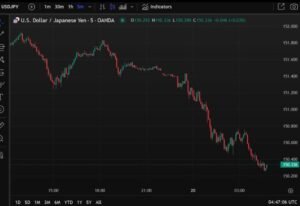
For now, traders remain cautious, watching closely for any signs of official intervention or policy shifts that could alter the yen’s fragile path in global currency markets.
As uncertainty continues, the yen’s performance remains a key barometer of broader financial market sentiment and global economic divergence.