
International
U.S. Immigration Attorney Accused of Defrauding Thousands Through Humanitarian Visa Applications

Thousands of immigrants seeking legal status in the United States are now facing uncertainty after multiple lawsuits accused a Washington state immigration attorney of orchestrating a large-scale fraud scheme that allegedly exploited humanitarian visa programs while leaving clients vulnerable to deportation.
The lawsuits, supported by an ongoing legal ethics investigation, accuse attorney Alexandra Lozano of filing fraudulent humanitarian visa applications by fabricating stories of domestic abuse and human trafficking without many clients’ knowledge or consent. Plaintiffs claim they paid thousands of dollars in legal fees believing they were pursuing legitimate immigration relief, only to later discover that false information had allegedly been submitted in their names.
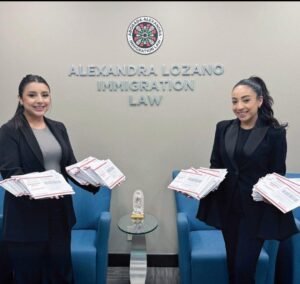
According to court filings, Lozano built one of the country’s largest immigration law practices by advertising that she could help immigrants obtain legal status through humanitarian protections created for victims of abuse and human trafficking.
The lawsuits allege that employees at her firm routinely encouraged clients to pursue visas under the Violence Against Women Act (VAWA) and the Victims of Trafficking and Violence Protection Act, even when they did not qualify. Former clients say they were asked personal questions about family disputes or workplace problems, which were later exaggerated or transformed into abuse claims in immigration applications.
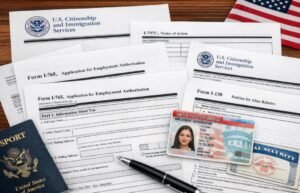
Attorneys representing former clients also allege that signatures were copied onto documents without authorization and that many applications were prepared by workers who were not licensed to practice law in the United States.
The scale of the alleged fraud has shocked immigration lawyers and advocacy groups.
According to the Washington State Bar Association, Lozano’s signature appears on more than 53,000 pending immigration cases, although authorities have not determined how many of those applications contain fraudulent information. Earlier this month, her law firm, Luz del Camino Legal, ceased operations, and Lozano permanently surrendered her law license rather than face disciplinary proceedings.

Her attorney has denied allegations of mass immigration fraud, arguing that clients were responsible for reviewing and approving their applications before signing them. The defense maintains that any inaccurate information originated with clients rather than the law firm.
For many former clients, the consequences have been severe.
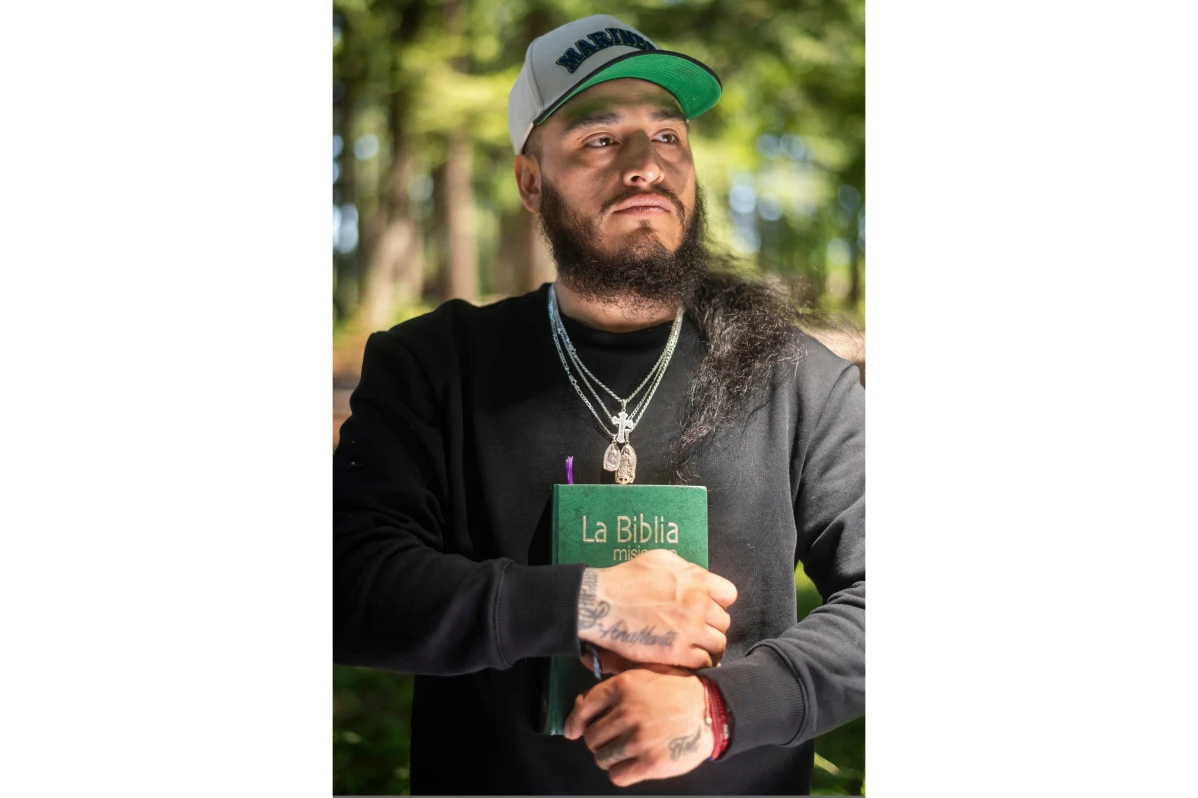
One plaintiff, Gabriel Martinez Garcia, said his family paid approximately $30,000 believing Lozano would help his mother obtain lawful immigration status. Instead, he alleges that mistakes and false claims in her application placed his mother into removal proceedings despite her marriage to a naturalized U.S. citizen.
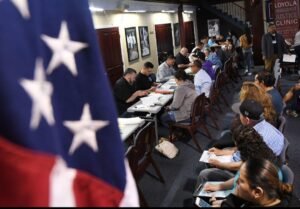
Hundreds of former clients have since sought assistance from volunteer immigration attorneys in Washington and Oregon, many saying they still do not know what information was submitted on their behalf.
Lawyers representing affected immigrants warn that individuals whose applications contained false statements; even if they were unaware of them, could face serious immigration consequences, including denial of future applications or deportation proceedings.
The controversy comes as U.S. authorities continue tightening oversight of humanitarian immigration programs.
Federal officials have argued that a sharp rise in applications for humanitarian visas in recent years has raised concerns about fraud. Immigration advocates, however, caution that high-profile abuse of the system should not undermine protections for genuine victims of domestic violence and human trafficking who depend on these programs for safety and legal status.
Legal experts say the Lozano case illustrates how vulnerable immigrants can become targets for exploitation when they rely heavily on promises of quick legal solutions.
Several lawsuits have now been filed against Lozano and her former law firm.
One malpractice lawsuit seeks compensation for clients who say they suffered financial losses and immigration harm, while a separate class-action lawsuit aims to recover legal fees paid to the firm. Former clients are also working to obtain copies of their immigration files so new attorneys can determine whether false information was submitted to federal authorities.
The U.S. immigration agency has issued guidance advising former clients on how to update their addresses, withdraw applications if necessary, or continue processing their cases with new legal representation.

The lawsuits remain in the early stages, and no court has yet ruled on the allegations against Lozano.
Nevertheless, immigration attorneys say the case has already become one of the largest alleged legal malpractice scandals involving humanitarian visa programs in recent years. As thousands of former clients attempt to rebuild their immigration cases, many remain uncertain whether they will be able to correct the alleged fraud before facing further legal consequences.