
Weather
Europe’s Record Heat Overwhelms Paris Mortuaries as Families Struggle to Bury Loved Ones

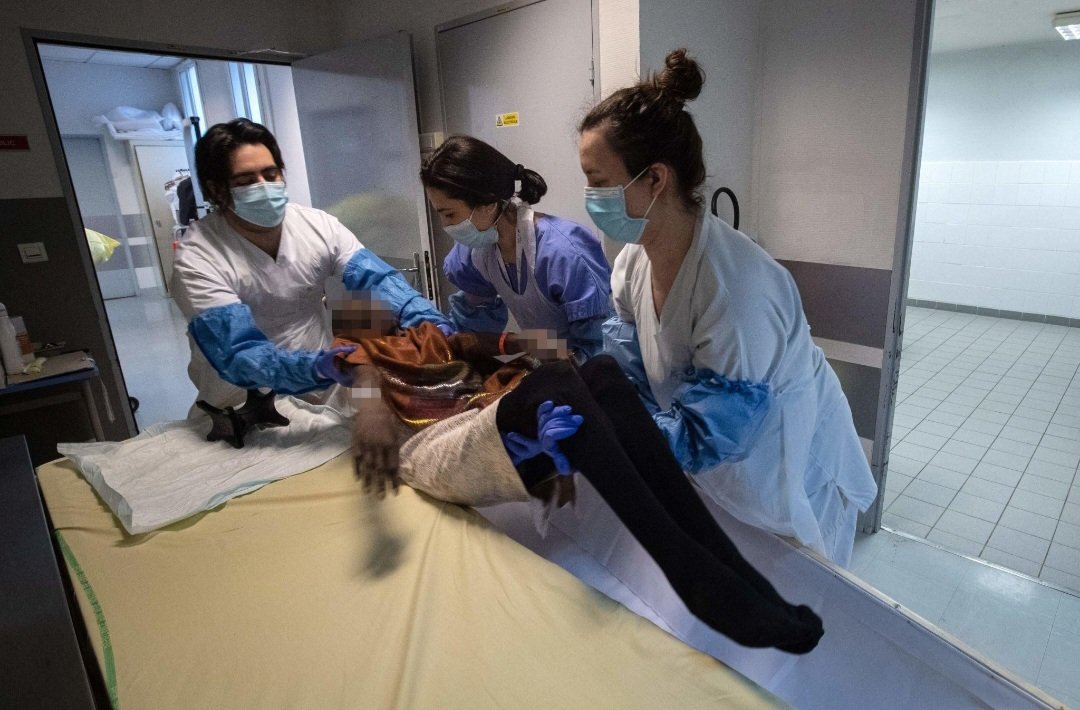
The human cost of Europe’s record-breaking heatwave continues to mount, with mortuaries in Paris overwhelmed by a surge in deaths that has left grieving families waiting days to recover the bodies of loved ones.
French health authorities say the unprecedented heat has placed enormous pressure on hospitals, funeral homes and mortuary services as temperatures climbed above 40°C (104°F) across large parts of the country. Many funeral directors report that storage facilities have reached capacity, forcing authorities to use temporary refrigerated units while families endure painful delays in arranging burials.

According to funeral home operators, demand for mortuary services has risen dramatically over the past week.
One Paris mortuary owner told reporters that his company has been receiving hundreds of calls every day from hospitals and families seeking space for the deceased, but available capacity has already been exhausted. As a result, some bodies have been transported to facilities outside the capital, increasing waiting times for relatives already coping with loss.

The sharp rise in deaths has overwhelmed parts of the funeral sector despite France’s emergency heat-response plans, exposing the challenges of managing a public health crisis driven by extreme temperatures.
French public health officials estimate that the recent heatwave has resulted in around 1,000 excess deaths, with the majority of victims aged 65 and older.
Authorities reported that Wednesday; the hottest day of the heatwave recorded more than 1,200 deaths, while Thursday and Friday each saw approximately 1,400 deaths, significantly above seasonal averages. Officials also noted a substantial increase in deaths occurring at home, particularly among elderly people living alone.
Health experts say prolonged exposure to extreme heat can rapidly become fatal for older adults and those with underlying medical conditions, especially when nighttime temperatures remain unusually high and prevent the body from cooling down.
The latest crisis has revived painful memories of France’s devastating 2003 heatwave, which claimed nearly 15,000 lives and prompted sweeping reforms to the country’s emergency response system.

Following that disaster, authorities introduced heat alerts, cooling centres, welfare checks for vulnerable residents and public awareness campaigns. However, experts now warn that increasingly intense heatwaves linked to climate change are testing those systems once again.
Scientists say the extreme temperatures affecting France and much of Europe have been made significantly more likely and more severe by human-induced climate change.

The heatwave has stretched from France into Germany, Italy, the Balkans and several other European countries, triggering wildfires, health emergencies and record electricity demand. Meteorologists expect another spell of exceptionally hot weather in early July, raising concerns that the death toll could continue to climb.
Beyond the statistics, funeral directors say the crisis is taking a heavy emotional toll on families.
With mortuary facilities at or beyond capacity, many relatives have faced delays in collecting bodies and organizing funeral services. Some have had to accept transfers to distant facilities, making it more difficult to complete burial arrangements and say their final goodbyes.

Public health officials continue to urge residents to check regularly on elderly neighbors and relatives, remain hydrated, avoid outdoor activity during peak temperatures and seek medical attention immediately if symptoms of heat exhaustion or heatstroke develop.
As Europe confronts one of the deadliest heatwaves in recent history, the scenes unfolding in Paris mortuaries have become a stark reminder that the consequences of extreme weather extend far beyond broken temperature records, placing immense strain on healthcare systems, funeral services and families already coping with profound loss.