
Weather
Hurricane Lala Misses Hawaii’s Big Island but Unleashes Heavy Rain, Dangerous Winds

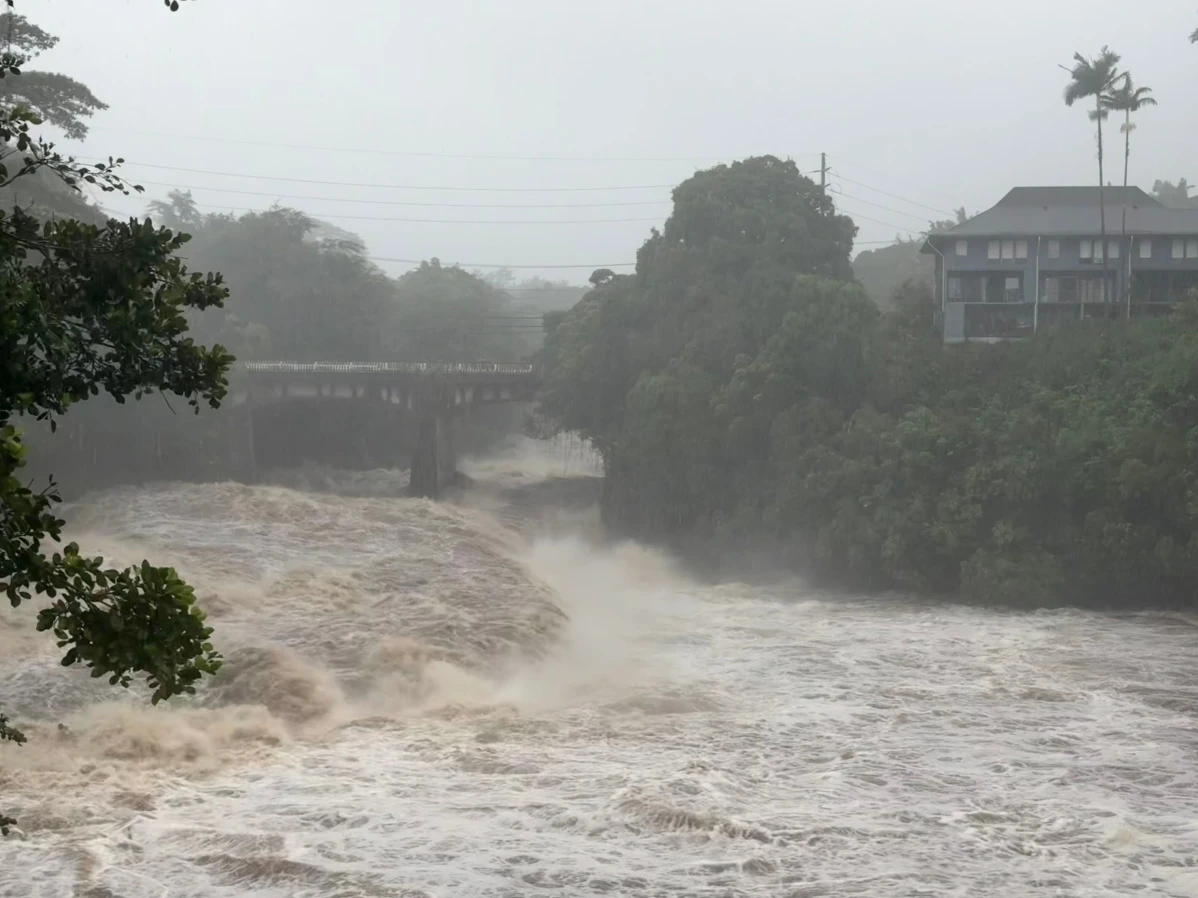
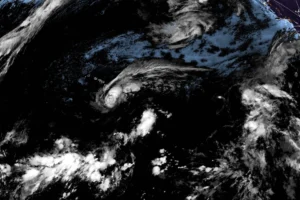
Hurricane Lala skirted Hawaii’s Big Island on Saturday without making landfall, but the Category 1 storm still unleashed powerful winds, torrential rain and dangerous flooding across parts of the island.
The storm’s eye passed south of the island’s southern tip, ending fears that Hawaii could experience a direct hurricane hit that would have been the first in decades. Forecasters said, however, that avoiding landfall did not mean the danger had passed.
Lala reached hurricane strength on Saturday, with maximum sustained winds of about 75 to 80 mph. Stronger gusts were recorded at higher elevations, including a reported 140 mph gust atop Mauna Kea.
Heavy rainfall turned roads into dangerous waterways and raised fears of flash floods and mudslides. Forecasters warned that some higher elevations could receive as much as 25 inches of rain.
The storm also caused widespread disruption to electricity supplies. More than 40,000 customers across Hawaii were without power at one point, while fallen trees and damaged transmission lines complicated restoration efforts.
Authorities closed airports and commercial ports as the storm moved across the region, while residents were urged to remain indoors and avoid flooded roads. Emergency shelters were opened and Hawaii National Guard personnel were activated to assist with response operations.
At least one person died in a car accident in the South Point area during the storm, according to Hawaii Governor Josh Green. The storm also damaged homes, with reports of roofs being torn off, while numerous roads were blocked by flooding, fallen trees and debris.
Although Lala was expected to weaken after passing south of the Big Island, forecasters warned that strong winds, heavy rain, dangerous surf and localized flooding could continue into Sunday and affect other Hawaiian islands.
Officials continued to urge residents to stay off the roads and remain alert to rapidly changing conditions, particularly in mountainous areas vulnerable to flash flooding and landslides.