
War
UN Says Pakistani Strikes Kill at Least 28 Civilians in Afghanistan

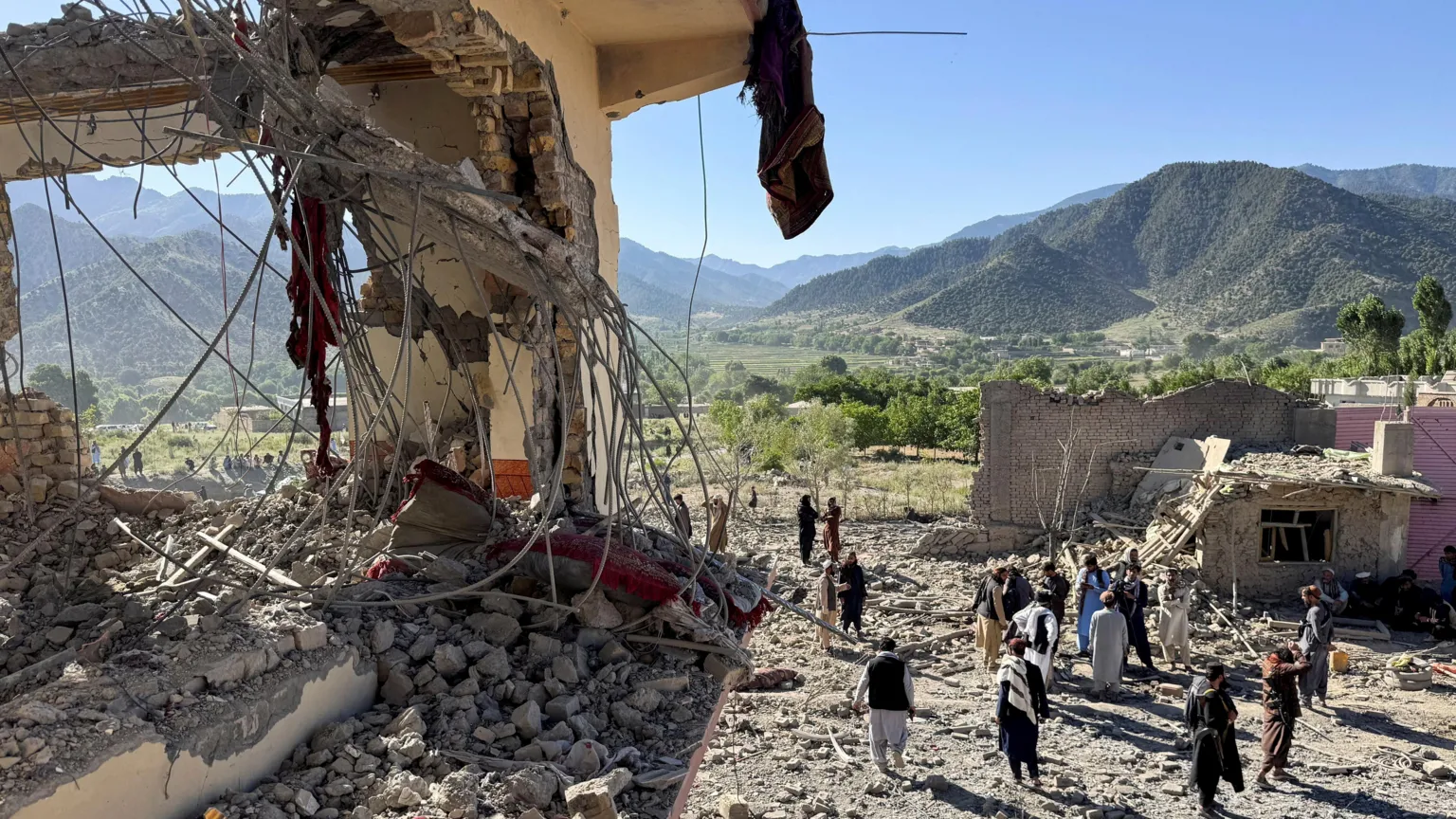
At least 28 civilians have been killed and 49 others injured in Pakistani airstrikes along the Afghanistan border, according to the United Nations Assistance Mission in Afghanistan (UNAMA), in one of the deadliest cross-border military operations between the neighboring countries in recent months.
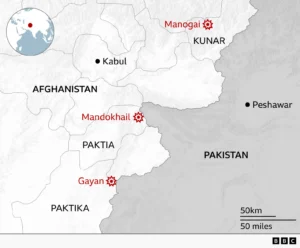
The strikes, carried out on Sunday, targeted areas in the eastern Afghan provinces of Paktia, Paktika, and Kunar. Pakistan said the operation was aimed at militant hideouts linked to groups responsible for recent terrorist attacks inside Pakistan, while Afghan authorities insisted the bombardment primarily struck civilian homes, killing women and children.
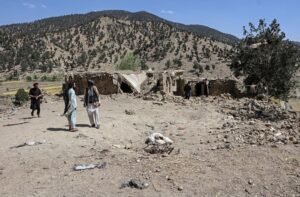
Pakistan’s military said the operation combined ground assaults and precision airstrikes, killing 29 militants and destroying several weapons caches and militant facilities.
According to Pakistani Information Minister Attaullah Tarar, the offensive was launched in response to a recent wave of terrorist attacks inside Pakistan, including a deadly assault on a paramilitary Rangers headquarters in Karachi claimed by the militant group Jamaat-ul-Ahrar, a faction linked to the Pakistani Taliban. Pakistan maintains that the attackers operated from safe havens inside Afghanistan.
Islamabad said it had acted on credible intelligence and described the operation as necessary to protect Pakistan’s national security.
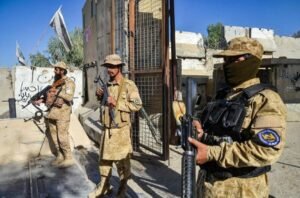
Afghan Taliban officials strongly rejected Pakistan’s account, accusing Islamabad of carrying out indiscriminate attacks on residential communities.
According to Afghan authorities, the strikes killed at least 36 civilians and wounded more than 160 others, with many of the victims reportedly being women and children. Officials said homes were reduced to rubble, livestock were killed, and entire families were buried beneath collapsed buildings.
Witnesses described chaotic rescue efforts, claiming that in one village a second airstrike struck shortly after residents rushed to help victims of the initial bombing, increasing the death toll and injuries.
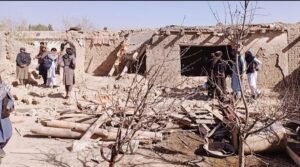
While casualty figures from Pakistan and Afghanistan differ, the United Nations said it has independently verified that at least 28 civilians were killed and 49 injured, warning that the toll could rise as hospitals continue treating survivors and investigators gain access to affected areas.
UNAMA expressed concern over the impact of the strikes on civilians and reiterated that all parties involved in armed conflict must comply with international humanitarian law by taking every possible measure to protect non-combatants.
The latest operation has sharply increased tensions between Pakistan and Afghanistan.
The Afghan Taliban condemned the strikes as a violation of Afghan sovereignty and warned that the attacks would not go unanswered. Pakistan, meanwhile, renewed its accusations that Kabul is allowing militant groups such as the Tehrik-e-Taliban Pakistan (TTP) to operate from Afghan territory, a claim repeatedly denied by the Taliban government.

Following the strikes, both countries summoned each other’s senior diplomats in protest, highlighting the growing diplomatic rift.
The operation marks Pakistan’s second major cross-border air campaign inside Afghanistan this month and follows months of escalating violence along the frontier.
Despite mediation efforts led by countries including China to ease tensions, clashes between Pakistani forces and Afghan-based militants have continued. Cross-border shelling, militant attacks, and retaliatory military operations have become increasingly frequent since early 2026.
Security analysts warn that the deteriorating relationship between Islamabad and Kabul could further destabilize the region, particularly as militant groups continue exploiting the porous border.
The latest violence has drawn renewed international concern over the humanitarian impact of the conflict.
Aid organizations are urging both governments to prioritize civilian protection and allow humanitarian agencies access to affected communities. The United Nations has called for restraint and emphasized the need for dialogue to prevent further escalation between the neighboring countries.
As investigations continue and casualty figures are updated, the strikes have become another flashpoint in the increasingly volatile relationship between Pakistan and Afghanistan, with fears that continued retaliation could trigger a broader regional security crisis.