
International
Sri Lanka Launches Multiple Investigations After Deadly Prison Riot Kills 26

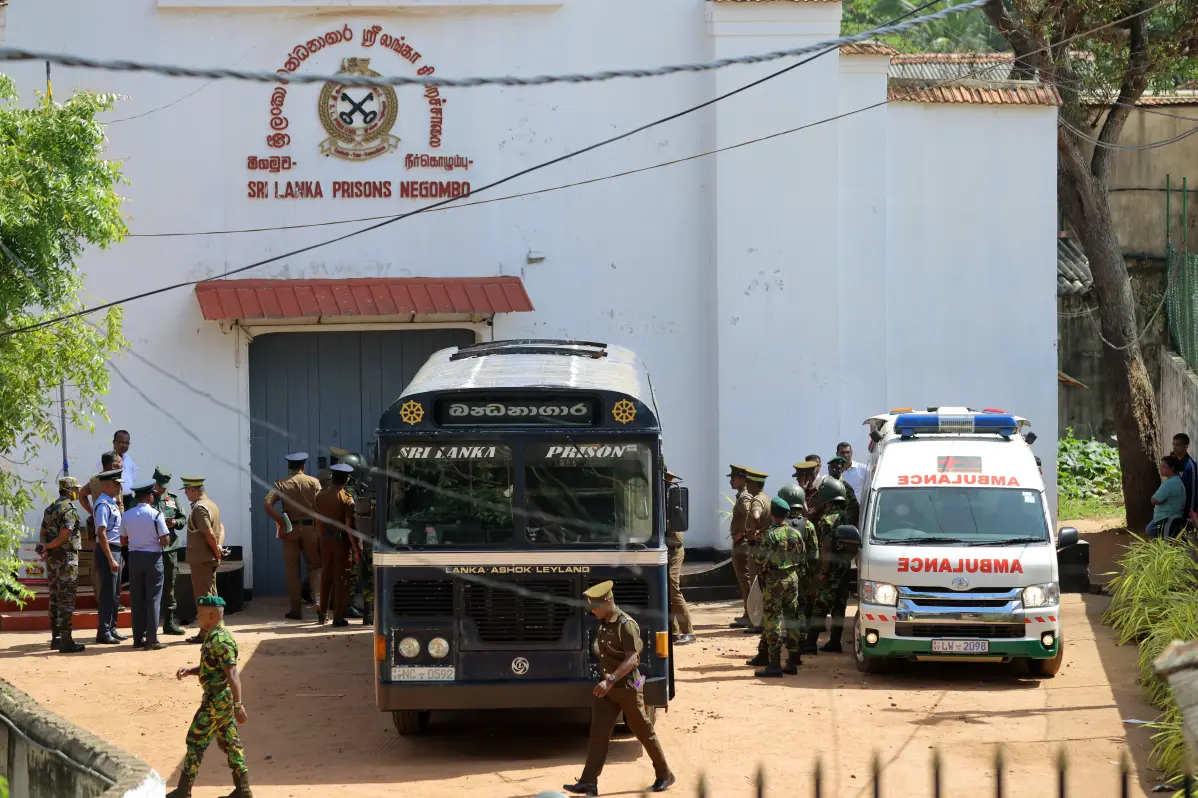
The death toll from one of Sri Lanka’s deadliest prison riots in recent years has climbed to 26, with 77 people still receiving treatment in hospitals, as authorities launched multiple investigations into the violence that exposed deep problems within the country’s overcrowded prison system.
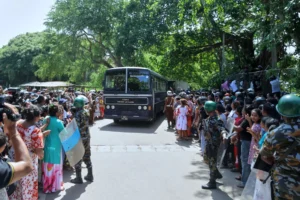
The unrest unfolded over two days at Negombo Prison, about 35 kilometers north of the capital, Colombo. Officials said 19 inmates and seven prison officers were killed during the clashes, while the injured include 54 inmates and 23 prison officials. Hundreds of anxious relatives gathered outside the prison and nearby hospitals seeking information about loved ones as security forces tightened control around the facility.
According to Justice Minister Harshana Nanayakkara, preliminary investigations indicate that the violence was sparked by rival inmate groups linked to illegal drug trafficking inside the prison. He told Parliament that the confrontation began after some prisoners allegedly informed authorities about attempts to smuggle narcotics into the facility, triggering retaliation from inmates connected to the smuggling network.

The minister said prison officers who attempted to restore order came under a brutal assault. Guards were reportedly attacked with bricks, clubs and metal poles, forcing security personnel to open fire in self-defense. Authorities are also investigating how inmates managed to obtain firearms during the chaos and whether the weapons were seized from prison officers or accessed through another security breach.
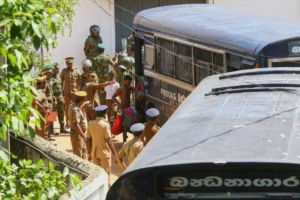
Officials said some inmates attempted to escape through the prison’s main gate while others destroyed surveillance cameras and a body scanner used to detect drugs and other contraband entering the prison. Security forces, including police, military personnel and special tactical units, were eventually deployed to regain control of the compound after hours of intense fighting.
In response to the violence, authorities transferred 734 inmates to other correctional facilities to ease tensions and reduce overcrowding. The government has also announced three separate investigations, including a police inquiry, an internal prison department investigation and an independent committee headed by a retired judge to determine the causes of the riot and recommend reforms.
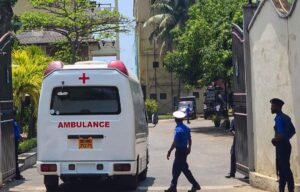
The tragedy has reignited debate over the dire conditions inside Sri Lanka’s prisons. Rights advocates argue that while gang rivalries and drug trafficking contributed to the violence, chronic overcrowding, poor healthcare and deteriorating living conditions created an environment where unrest was almost inevitable. Negombo Prison, designed to hold about 650 inmates, was housing approximately 2,600 prisoners at the time of the riot. Nationally, Sri Lanka’s prison system holds more than 39,000 inmates despite having a capacity of only about 10,000.
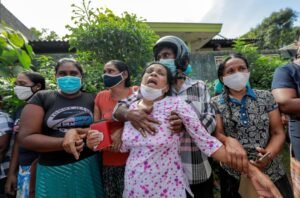
The incident is the latest in a series of deadly prison disturbances in Sri Lanka over the past decade, raising fresh concerns about prison management, inmate welfare and security. Human rights groups have urged the government to implement comprehensive reforms aimed at reducing overcrowding, improving rehabilitation programmes and strengthening oversight to prevent future tragedies.
As investigations continue, security remains heightened around Negombo Prison, while families of victims await answers about how a dispute inside one of the country’s largest correctional facilities escalated into one of the bloodiest prison clashes in Sri Lanka’s recent history.