Disaster/Tragedy
Heavy Rains Wreak Havoc Across India, Killing Four in Delhi Building Collapse

At least four people have died after a residential building collapsed in India’s capital, New Delhi, as relentless monsoon rains continued to batter large parts of the country, triggering landslides, flooding and widespread transport disruptions. Authorities have warned that more heavy rainfall is expected, raising concerns over additional weather-related disasters.
The four-storey building collapsed in Delhi’s Rohini area during heavy rainfall, trapping several occupants beneath the rubble. Rescue teams from the National Disaster Response Force (NDRF), firefighters and local emergency personnel rushed to the scene, using heavy machinery and sniffer dogs to search for survivors. One person was pulled out alive, while recovery efforts continued into Thursday. Police have opened an investigation into the cause of the collapse, including whether structural weaknesses and persistent rainfall contributed to the disaster.

The tragedy comes as an active monsoon system continues to wreak havoc across India. In the southern state of Kerala, rescue workers searched for missing people after landslides struck Wayanad district near a tunnel construction site, killing at least three workers and injuring several others. Authorities said persistent rain has complicated rescue operations and increased the risk of further slope failures.

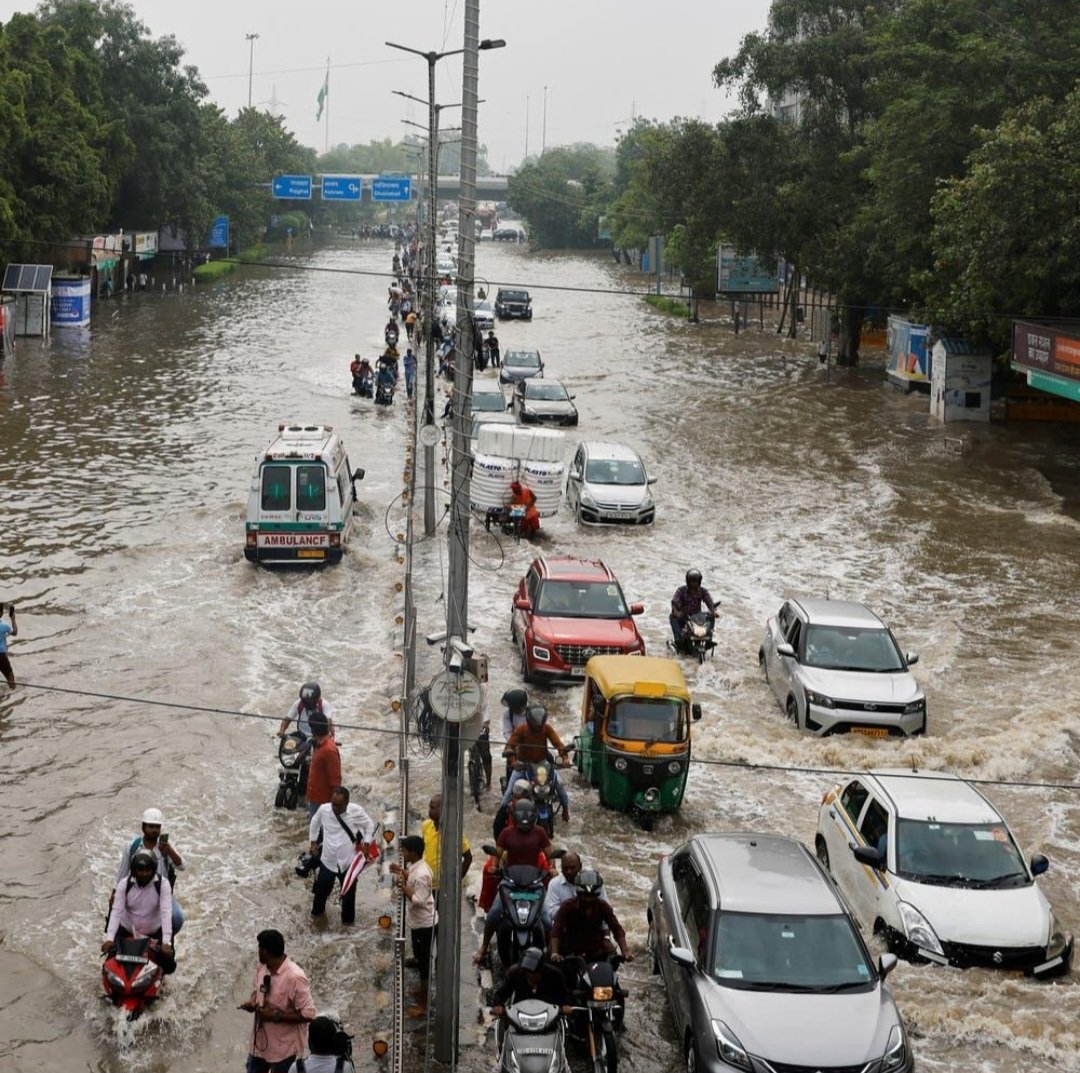
Across northern and western India, heavy rains have flooded roads, disrupted railway services and delayed flights. Major cities including Delhi, Mumbai and Pune have experienced severe waterlogging, while overflowing rivers and saturated hillsides have heightened the risk of additional landslides and building collapses. Several highways have also suffered damage, affecting transport and emergency response efforts.
India’s Meteorological Department (IMD) has issued red alerts for parts of Delhi and neighbouring Haryana, warning of extremely heavy rainfall, while orange and yellow alerts remain in place for several other states. Residents in vulnerable areas have been urged to avoid unnecessary travel, remain alert for landslides and flooding, and follow evacuation instructions issued by local authorities.

The annual monsoon, which typically runs from June to September, is vital for India’s agriculture and water supplies but frequently causes deadly floods, landslides and infrastructure failures. Scientists have warned that climate change is contributing to more frequent and intense extreme rainfall events, increasing the likelihood of disasters in densely populated urban centres and mountainous regions.

Emergency agencies remain on high alert as forecasts indicate that heavy rain will continue over the coming days. Officials are monitoring vulnerable buildings, river levels and landslide-prone areas while coordinating rescue, relief and evacuation operations across the affected states.