
Health
Diarrhea-Causing Parasite Outbreak Surpasses 1,000 Confirmed Cases

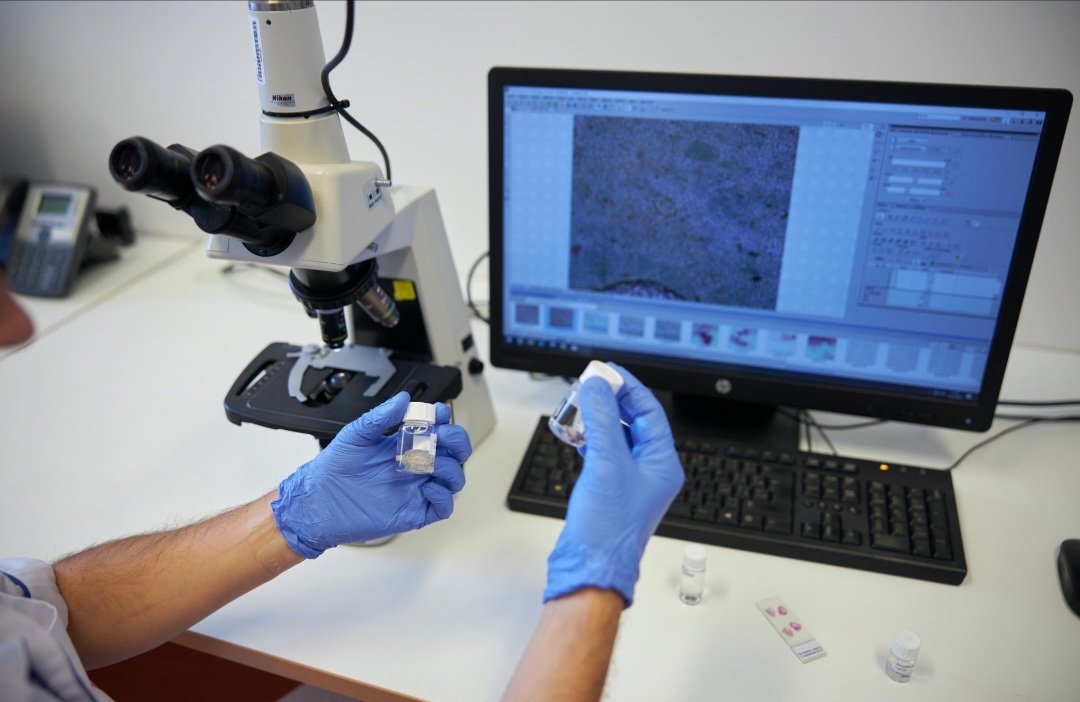
Health authorities are intensifying efforts to contain an outbreak of a diarrhea-causing parasite that has now infected more than 1,000 people, raising concerns about public health and prompting investigations into the source of the infections.
According to officials, the outbreak involves a microscopic parasite known to cause gastrointestinal illness, leading to symptoms that commonly include diarrhea, stomach cramps, nausea, vomiting, dehydration and fatigue. Public health agencies have reported a steady increase in cases in recent weeks, with new infections continuing to emerge.
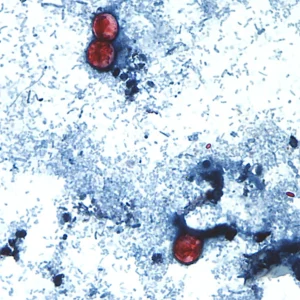
Medical experts say the parasite is often transmitted through contaminated water, food or direct contact with infected individuals. Investigators are examining multiple possible sources, including public water supplies, recreational water facilities, food distribution networks and other locations where exposure may have occurred.
Health authorities noted that while most infected individuals recover without long-term complications, the illness can pose a greater risk to young children, older adults and people with weakened immune systems. Hospitals and clinics in affected areas have reported increased numbers of patients seeking treatment for gastrointestinal symptoms.

Epidemiologists have launched extensive tracing efforts to identify connections among cases and determine how the parasite spread. Environmental testing and laboratory analyses are underway to pinpoint the origin of the outbreak and assess whether additional control measures are required.
Public health officials have urged residents to practice good hygiene, including frequent handwashing, careful food preparation and avoiding potentially contaminated water sources. Individuals experiencing persistent diarrhea or signs of dehydration have been advised to seek medical attention promptly.

The outbreak has also prompted warnings for schools, childcare centers, healthcare facilities and other institutions where infectious diseases can spread rapidly. Authorities are working with local organizations to strengthen sanitation measures and raise awareness about prevention strategies.
Experts note that parasitic outbreaks can be challenging to control because some organisms are highly resistant to common disinfectants and may survive for extended periods in water or environmental surfaces. As a result, health officials often rely on a combination of testing, public education and targeted interventions to limit transmission.

Government agencies have pledged to provide regular updates as investigations continue. Officials stressed that identifying the source remains a top priority and said additional recommendations may be issued if new information emerges.
Public health specialists emphasized that early detection and prompt reporting of symptoms are critical to preventing further spread. They also encouraged healthcare providers to remain vigilant for potential cases and to report suspected infections to relevant health authorities.
As the number of confirmed cases continues to climb, the outbreak serves as a reminder of the importance of robust public health surveillance systems and effective disease-prevention measures in protecting communities from infectious threats.